
The first morning I picked up guests at Kichwa Tembo airstrip, one woman leaned forward before we even hit the main track. She asked, “How do I say good morning properly, not just in English?” That question comes up on almost every trip, which is why this guide covers the Swahili phrases for safari travelers that actually get used. Here is the honest answer: your guide will speak fluent English, so you do not need Swahili to get through your safari. You want it for a different reason. It changes how people respond to you, from the camp staff pouring your coffee to the Samburu elder greeting you at a village visit.
This guide skips the generic phrasebook approach. Every phrase below is tied to a moment you will actually have in Kenya. That might be arriving at camp, sitting in the vehicle at dawn, or tipping your driver-guide on the last morning.
Do You Need to Learn Swahili for a Kenya Safari?
No. Guides trained by outfitters across the Mara, Amboseli, and Samburu speak English well, often alongside French or German. You will not get lost or stuck without Swahili.
What changes is the texture of the trip. Saying “Asante sana” to the person who lit your bucket shower lands differently than “thanks so much.” It signals you noticed them, not just the service. Guides told me this repeatedly over the years. Guests who try a few words, even badly, get treated like guests who are paying attention. That is the real return here, not survival vocabulary.
Pronunciation Basics
Swahili is more forgiving than people expect. Every letter is pronounced, there are no silent letters, and vowels stay consistent:
- a sounds like “ah” in father
- e sounds like “eh” in bet
- i sounds like “ee” in feet
- o sounds like “oh” in go
- u sounds like “oo” in food
Stress almost always falls on the second-to-last syllable. So “safari” is sa-FA-ri, and “Jambo” is JAM-bo. Get that one rule right and most words come out understandable.
Greetings and Honorifics
Jambo is the greeting most visitors already know, and it works, though it is aimed specifically at tourists. Kenyans greeting each other are more likely to use:
- Habari (“news” or “how are things”) followed by a time of day: Habari ya asubuhi (good morning), Habari ya mchana (good afternoon)
- Mambo (informal, closer to “what’s up”), answered with Poa (cool, fine)
- Karibu (welcome), which you will hear constantly at camp gates and lodge entrances
- Shikamoo is reserved for elders and people you want to show real respect to. It literally means “I hold your feet.” The correct reply is Marahaba. Use this with a Samburu or Maasai elder and watch the reaction. It rarely goes unnoticed.
Politeness and Everyday Phrases
These carry you through most interactions at camp and in markets:
- Asante (thank you), Asante sana (thank you very much)
- Tafadhali (please)
- Samahani (excuse me, or sorry)
- Pole (sorry, used for sympathy, not apology, said when someone stumbles or gets rained on)
- Karibu tena (welcome again, said in response to thank you, similar to “you’re welcome”)
- Hakuna matata (no problem), a real, commonly used phrase in Kenya, not just a film reference
On the Game Drive: What You’ll Hear From Your Guide
Sitting behind your driver-guide during a game drive, a handful of words repeat every single outing:
- Twende (let’s go), usually said quietly once everyone is settled
- Pole pole (slowly, slowly), said as the vehicle eases toward a sighting so it does not spook the animal
- Simama (stop)
- Tazama (look), often followed by a pointed hand
- Hatari (danger), rare, but worth knowing, especially near buffalo or an elephant with calves
- Karibu sana (very close), which your guide might say instead of giving you a distance in meters
Learning these five or six words means you can follow the shape of what is happening even before the binoculars come out.
Wildlife Names Worth Knowing
Swahili animal names show up on camp signboards, vehicle radio chatter, and gift shop carvings. They are worth recognizing even if you never say them aloud:
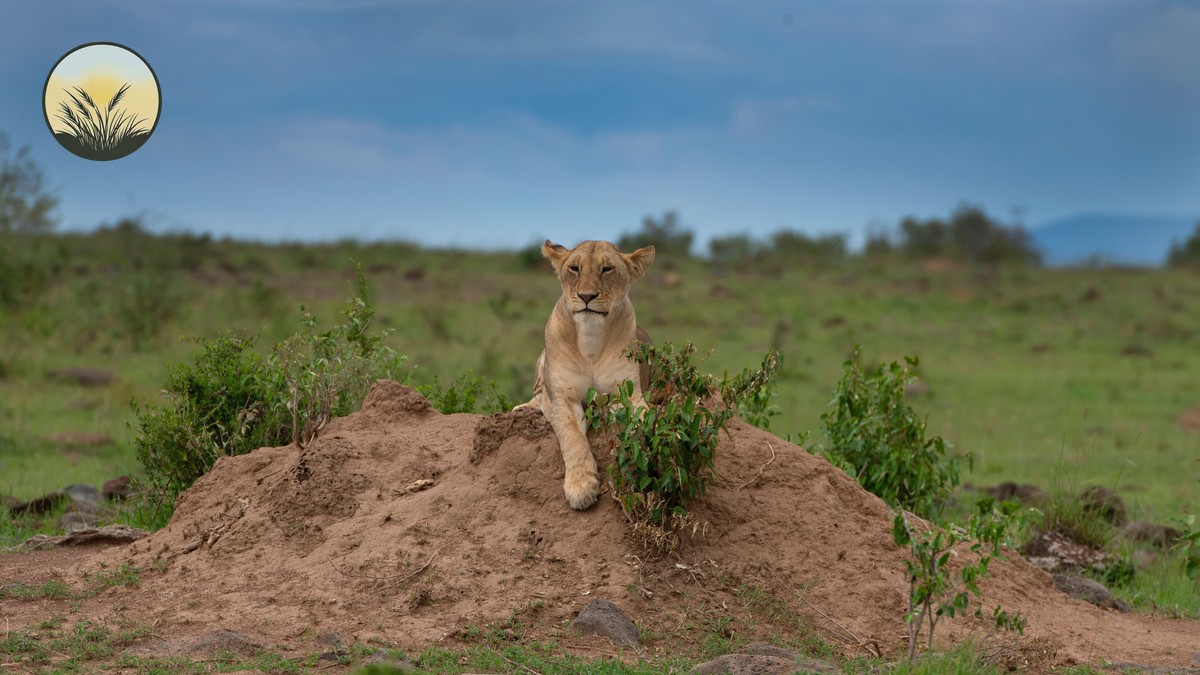
- Simba, lion
- Tembo, elephant
- Chui, leopard
- Kifaru, rhino
- Nyati, buffalo (together with the above four, these make up the Big Five)
- Twiga, giraffe
- Duma, cheetah
- Nyani, baboon
- Punda milia, zebra (literally “striped donkey”)
If your circuit includes Samburu, ask your guide about Samburu’s Special Five. These are the Grevy’s zebra, reticulated giraffe, Somali ostrich, gerenuk, and beisa oryx, species found here and rarely further south in the Mara.
Market and Bargaining Phrases
At a curio stall in Nairobi or a craft market near Karen, these help:
- Bei gani? (what is the price?)
- Ni ghali sana (that’s too expensive)
- Punguza kidogo (reduce it a little)
- Sawa (okay, agreed)
Bargaining is expected at markets, not at fixed-price lodge shops, so read the setting before you start negotiating.
Cultural Etiquette: Greeting Maasai and Samburu Elders
A village or cultural visit near the Mara or in Samburu county is often the most personal part of a first safari. A few rules matter more than vocabulary here. Greet elders first, using Shikamoo, before greeting anyone younger. Accept anything offered, even a small taste of food or a bead, with your right hand or both hands, never your left alone. Ask before photographing anyone directly, using Naomba kupiga picha? (may I take a photo?). These visits usually include a small fee that goes directly to the community, typically USD 10 to 20 per person, confirmed with your guide beforehand.
Numbers, Food, and Tipping
Basic numbers help with prices and quantities: moja (one), mbili (two), tatu (three), nne (four), tano (five). At meals, chakula means food, maji means water, and chai means tea, though in slang it can also mean a small tip.
Speaking of tips, saying asante sana while handing over an envelope goes further than silence. For actual amounts, see our full breakdown on how much to tip your guide and camp staff, since the right figure depends on group size and trip length.
Swahili Phrases for Safari Travelers: Where You’ll Actually Use Them
| Location | Region | Drive time from nearest airstrip | Typical fee |
|---|---|---|---|
| Angama Mara | Mara Triangle, Masai Mara National Reserve | ~45 min from Kichwa Tembo airstrip | USD 200/adult/day (Jul-Dec, reserve fee) |
| Kicheche Mara Camp | Mara North Conservancy | ~20 min from Mara North airstrip | USD 80-150/person/night (bundled into rates) |
| Ol Tukai Lodge | Amboseli National Park | ~20 min from Amboseli Airport airstrip | USD 90/adult/day (KWS park fee) |
| Saruni Samburu | Samburu National Reserve | ~15 min from Samburu airstrip | USD 70-100/adult/day (indicative range) |
Every one of these is a place where you will hear Karibu at the gate, Twende in the vehicle, and Asante sana at the end of a meal. The phrases are not decoration. They are the actual soundtrack of the trip.
The Plain Safaris Difference
Most phrase lists online come from tour operator marketing pages. They are written for search engines, not for someone standing at a camp fire pit trying to remember what to say. We build our safaris around actual first-light drives out of Naboisho and Samburu, so the words here are ones our guests have used and heard, not phrases pulled from a generic glossary. We also tell you plainly when Swahili is optional and when it matters, instead of pretending every visitor needs a crash course before landing at Wilson Airport.
FAQ
Do I need to learn Swahili for a Kenya safari? No. Your guide will speak English. A few words add warmth, not necessity.
What is the polite way to greet a Maasai or Samburu elder? Say Shikamoo. The elder replies Marahaba.
What does “safari” mean in Swahili? It simply means journey or trip, not specifically a wildlife trip.
What should I say during a game drive? Twende (let’s go), Pole pole (slowly), and Asante sana (thank you) cover most moments.
How much should I tip in Kenya? It depends on group size and days on trail. Our tipping guide breaks down exact ranges in USD and KES.
Plan Your Trip With Plain Safaris
A few Swahili words go a long way once you are on the ground in the Mara or Samburu. The bigger decisions, like which conservancy, how many days, and which camps fit your family, are worth working through with someone who knows the roads. Get in touch through our contact page and we will help you build a route that fits your time and budget.