
Your first night in a Kenya safari camp rarely starts with sleep. It starts with lying still, listening, and trying to work out what just called somewhere past your tent wall. That moment catches almost every first-time guest off guard. Nobody warns you how loud the bush gets once the generator switches off.
This is your guide to sounds at night safari camp guests actually hear. It covers what each one means and why camp staff aren’t worried when you are. We’ll also cover the honest trade-off between a mobile tented camp and a permanent lodge, because that choice affects how close those sounds get.
Sounds at Night Safari Camp: What You’ll Actually Hear After Dark
Most nights in the Masai Mara, Amboseli, or Samburu follow a rough pattern. Here’s what shows up most often, roughly in the order you’ll notice it.
Lion roars. A male lion’s roar can carry 8 kilometers on a still night. Up close, from inside a tent, it feels like it’s shaking the canvas even when the lion is 200 meters off.
Hyena whoops and cackles. Spotted hyenas have one of the most recognizable calls in the bush, a rising whoop that carries across open plains. The cackle, the one people call a laugh, usually means a hyena is being chased off a kill.
Hippo grunts. Camps near the Mara River, the Talek, or the Ewaso Ng’iro in Samburu often sit within earshot of a hippo pod. Their honking grunt is one of the most constant night sounds on a Kenya safari.
Leopard sawing. Less common but unmistakable once you’ve heard it, a leopard’s call sounds like someone dragging a saw through wood. It’s a territory marker, not a hunting sound.
Elephant rumbles. Low, almost below hearing range, elephant rumbles travel through the ground as much as the air. Camps near Amboseli or the Chyulu Hills, close to elephant corridors, hear these often.
Owls, nightjars, and insects. Fill in the quieter gaps: a scops owl’s steady trill, a nightjar’s odd churring call, and a wall of cicadas and frogs, especially near water after rain.
What Each Sound Actually Means
None of these calls are aimed at your tent. A lion roars to mark territory and locate pride members, not to announce a hunt. Hyenas whoop to call the clan together over long distances. Hippos grunt to keep track of the pod in the dark, since they graze on land at night and need to find their way back to water by sunrise.
Understanding the reason behind a sound makes it far less alarming. A roar means a lion is telling other lions where it is. It does not mean a lion is coming for your tent.
Is It Safe to Sleep in a Safari Tent?
Yes, and the record backs that up. Predators avoid the human scent and noise around a camp, and serious incidents inside a properly run camp are extremely rare across Kenya’s safari circuit.
That said, camps take real precautions:
- Askari escorts after dark. Most camps require a staff escort, usually carrying a torch, to walk you between the mess tent and your room after dinner.
- No food or scented items left in tents. This is a strict rule, not a suggestion, since food smells are what draw animals close.
- Sealed tents and zipped flaps. Guides ask guests to keep tents fully zipped, day and night.
- Radios and night staff. Camps run a night watch with two-way radios, so if something unusual happens, staff know before guests do.
- Briefings on arrival. Every reputable camp gives a safety briefing on your first afternoon, covering exactly what to do after dark. Read our final checklist before your Kenya safari for what else to expect before you land.
For more detail on how camps handle risk generally, see our guide to safari camp safety at night.
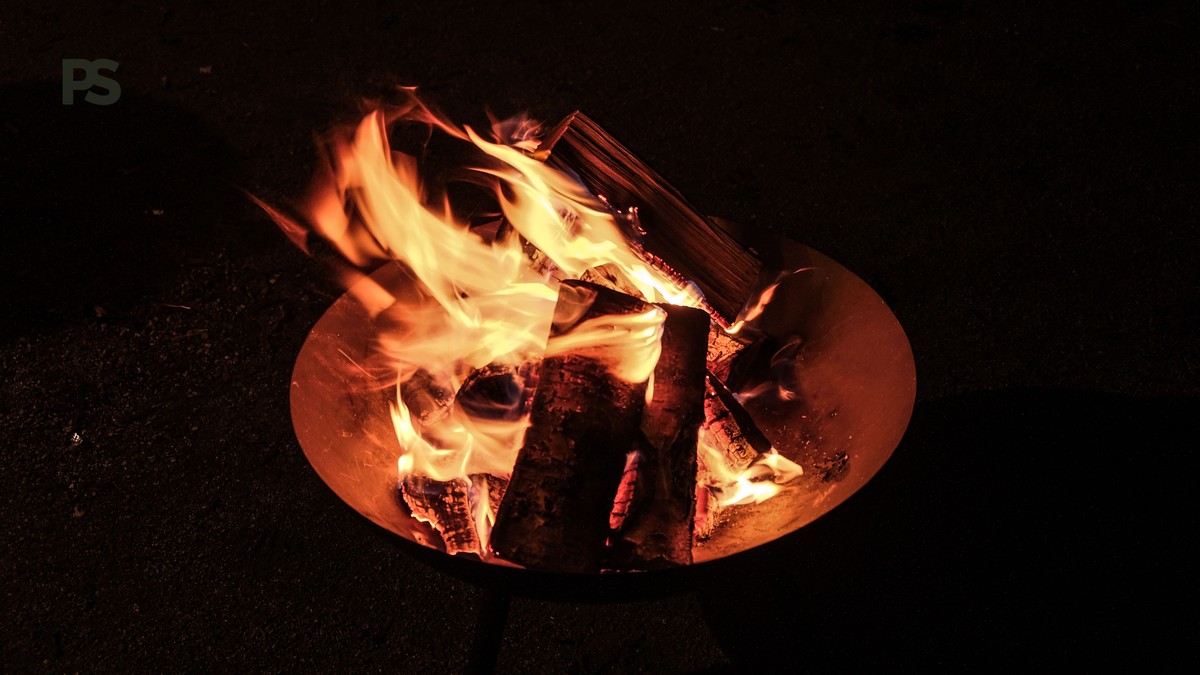
Mobile Tented Camp vs a Permanent Lodge
This is the real decision that shapes how loud your nights will be. A mobile tented camp vs a permanent lodge isn’t just a style choice, it changes your proximity to wildlife.
Mobile camps, common in conservancies like Mara North and Naboisho, move with the migration and sit unfenced among open plains. You’ll hear more, and hear it closer, because there’s nothing between your tent and the bush except canvas and staff patrols. Permanent lodges, often built with solid walls, generators, and sometimes partial fencing, dampen sound and tend to sit slightly further from prime predator territory.
Neither option is unsafe. It’s a trade-off between an immersive, louder night and a quieter, more insulated one.
| Location / Camp Type | Typical Night Sounds | Nearest Airstrip (approx. drive) | Fee (non-resident) |
|---|---|---|---|
| Mara North Conservancy, mobile tented, unfenced | Lion roars, hyena whoops most nights | Musiara Airstrip, 15-20 min | ~USD 80-150/person/night, bundled into rate |
| Naboisho Conservancy, mobile tented, unfenced | Lion, hyena, frequent hippo grunts near the Talek | Ol Kiombo Airstrip, 20-30 min | ~USD 80-150/person/night, bundled into rate |
| Masai Mara National Reserve, permanent lodges | Quieter overall, occasional distant roar | Keekorok Airstrip, about 10 min | USD 100/day Jan-Jun, USD 200/day Jul-Dec |
| Amboseli National Park, permanent lodges | Elephant rumbles, fewer predator calls | Amboseli Airstrip, 10-15 min | USD 90/day |
| Chyulu Hills National Park, mobile tented, remote | Wind, birdsong, occasional distant lion | Small airstrips near Kimana, varies by camp | USD 40/day |
Fees above are current KWS and Narok County figures as of 2026. Conservancy rates are indicative ranges since they vary by camp and season.
What to Do If You Hear Something Outside Your Tent
Stay inside and stay still. Camps train guests for exactly this moment. If you hear movement or breathing close to the tent wall, don’t unzip the flap, don’t shine a torch outside, and don’t call out. Most animals moving through camp are passing on established paths and lose interest quickly once they sense a tent.
If something feels wrong, most tents come with a radio or a whistle. Use it to call the night guard rather than stepping outside yourself. Guides say this constantly during briefings because it’s the one habit that actually prevents problems.
Are Kids Safe in a Tented Camp?
Generally yes, with a few adjustments. Family-friendly camps brief children the same way they brief adults, in simple terms, and many assign a dedicated escort for family tents. Camps closer to water, where hippo activity is higher, sometimes recommend rooms set further from the riverbank for families with young kids. Ask about this when booking rather than assuming every tent in a camp sits the same distance from the water.

A First Night in the Mara, Hour by Hour
By 7pm, dinner wraps up and the generator hums down. Around 9pm, the first hyena whoop drifts in from somewhere past the tree line, distant enough that it’s more curious than unsettling. By 10:30pm, a lion roars from what sounds like just beyond camp, though it’s usually 300 meters or more away, its call amplified by the flat, open plain. Midnight often brings the low grunt of hippos if your tent sits near a river, a sound so rhythmic it becomes background noise fast. Just before dawn, around 5am, birdsong picks up and the night sounds fade into the ordinary business of a Mara morning.
That pattern repeats, with variations, across most Kenya camps. Once you know what to expect, it stops feeling strange and starts feeling like part of the trip.
The Plain Safaris Difference
We plan every itinerary around where you’ll actually sleep, not just where you’ll drive during the day. That means being upfront about which camps sit close to a river or a predator corridor, and which sit further back for a quieter night. We’ve walked these camps ourselves, so when we recommend a tent near the Talek or a lodge inside the Mara Triangle, it’s based on drive times and noise levels we’ve checked in person, not a brochure description.
We also build in proper time for your first night’s briefing and never rush guests straight from airstrip to game drive without a settling-in period. First-time travelers get the most value from that pacing.
Plan Your Nights in the Bush
If the idea of falling asleep to a lion’s roar sounds more exciting than worrying, you’re ready for a Kenya safari. Get in touch through our contact page or browse our Kenya safari packages to start planning a trip where every camp, and every night, is chosen with care.