
Most safari checklists read like a packing list someone wrote from a hotel room. Ours comes from actually driving the C12 out of Narok at dawn, weighing bags on the scale at Wilson Airport, and watching first-time guests realize at the gate that their duffel is 4kg over the limit.
This is a final checklist before Kenya safari trips, not a category list you skim once and forget. Work through it from eight weeks out to the morning your driver picks you up, and you will not be scrambling the night before you fly.
Final Checklist Before Kenya Safari: 8 Weeks Out
Start here because these items have the longest lead time and the highest cost if you miss a deadline.
Passport. Kenya requires at least six months of validity beyond your travel dates and two blank pages. If your passport expires in early 2027, renew it now.
Electronic Travel Authorization. Kenya moved to an eTA system in 2024, replacing the old eVisa. Apply online through the official Kenya eTA portal, not a third-party site. The fee is about USD 34 per applicant, and approval usually takes a few business days, so apply at least two weeks before departure.
Yellow fever certificate. You only need this if you are arriving from, or have transited through, a country with risk of yellow fever transmission. Kenya itself is not on that list, but immigration officers do check certificates from travelers connecting through Addis Ababa or Kigali.
Vaccinations. Talk to a travel clinic about hepatitis A, typhoid, and routine boosters like tetanus. None of these are legally required for entry, but they are standard advice for East Africa.
Malaria medication. This is the one decision guests agonize over, so here is the honest trade-off. Malarone has the fewest side effects but costs more and you take it daily. Doxycycline is cheap and effective but can cause sun sensitivity, which matters when you are in an open vehicle for six hours a day. Mefloquine (Lariam) is a once-weekly pill, convenient, but a meaningful minority of travelers report vivid dreams or anxiety. Most of our guests land on Malarone or doxycycline. Whichever you choose, start it on the schedule your doctor gives you, not the night before you fly.
Travel insurance. Get a policy that covers medical evacuation, not just trip cancellation. Flying Doctors Society of Africa coverage is what most camps in the Mara and Samburu rely on for emergencies, and your travel insurer should coordinate with them, not compete.
Internal flights. If your route includes more than one park, book bush flights now rather than at the last minute. Seats on the morning Safarilink and AirKenya routes into the Mara fill up fast during July and August, when the migration draws the biggest crowds.
Timing Your Trip: Weather and Crowds
Kenya doesn’t really have a wet-dry split, it has two dry seasons and two rainy ones. The long dry season runs from June through October. This is when the wildebeest migration crosses the Mara River, and when Mara fees jump to USD 200 a day starting in July. The short dry season, January through March, is quieter, cooler mornings, and cheaper across the board. The long rains fall April into May, when some camps in the Mara close for maintenance and roads in conservancies like Naboisho can turn to thick black-cotton mud. If you want fewer vehicles at a sighting, aim for February or the first half of June, just before the herds arrive and before the July price jump.
2 Weeks Out: Packing and Logistics
Clothing. Pack neutral colors, khaki, olive, stone, and light brown. Avoid bright white, black, and navy, which attract tsetse flies in areas like the Mara and Samburu, and skip camouflage patterns, which Kenya restricts for civilians. Bring a warm layer for early morning game drives. Temperatures at 6:30am in the Mara can sit around 12°C even in dry season, then climb past 28°C by early afternoon.
Bags. This is where first-timers get caught out. If any leg of your trip uses a bush flight, hard-shell suitcases will not fit in the cargo hold of a Cessna Caravan or similar aircraft. Check our full breakdown of bush flight luggage weight limits before you buy a bag, because the limit is usually 15kg total per person in a soft-sided duffel, and operators will weigh you at check-in, not estimate.
Cash and cards. Bring USD 300 to 500 in cash, split between small bills for tips and larger ones for park fees or curio purchases. Most camps take Visa or Mastercard for the final bill, but small lodges and conservancy gates often want cash. M-PESA, Kenya’s mobile money system, is genuinely useful even for visitors. Many drivers and guides now accept M-PESA tips if you set up a Safaricom line at the airport.
Prescriptions. Pack a week more than you need, in original bottles, in your carry-on rather than checked luggage.
Tipping. Budget roughly USD 15 to 20 per guest per day for your driver-guide, and USD 10 to 15 per day for camp staff, usually left in a communal box at checkout. It’s a real part of the trip cost, so plan for it the same way you plan for park fees.
3 Days Out: Gear Check
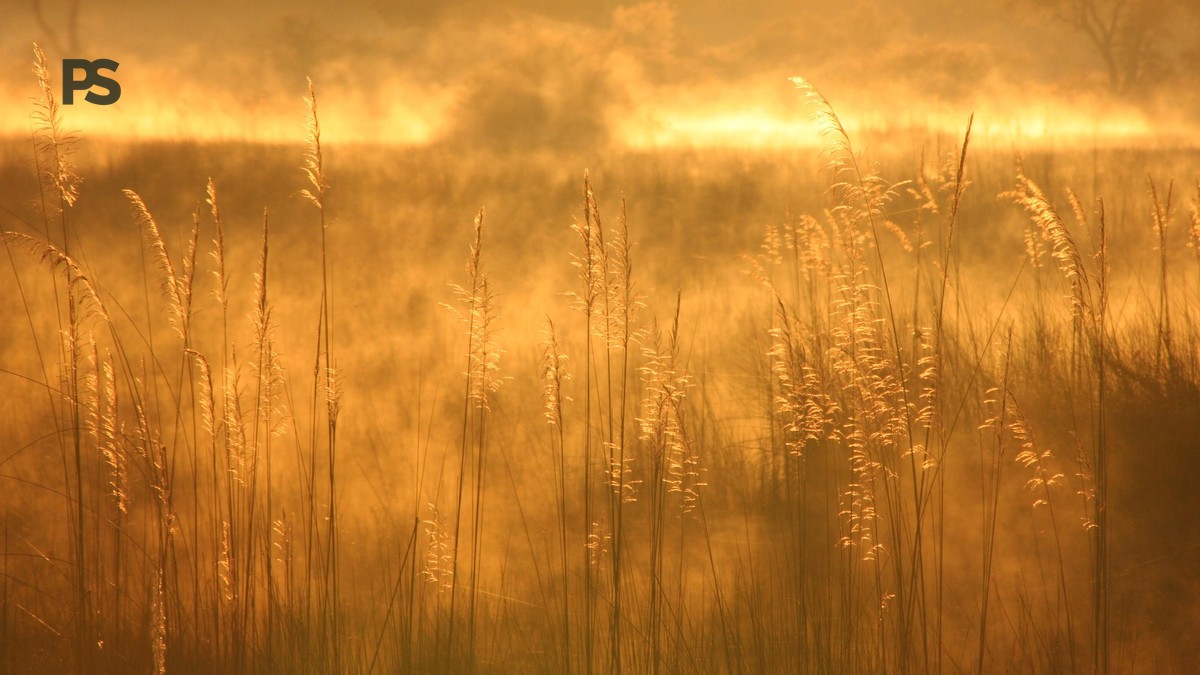
Charge everything once, fully. Then check it holds a charge. Camp power in places like Naboisho Conservancy or Samburu often runs on generator hours or solar, so outlets in your tent may switch off overnight. Read up on charging your electronics at camp so you know which camps have 24-hour power and which don’t.
Plug adapter. Kenya uses the Type G plug, the same three-square-pin standard as the UK, running at 240V. Bring at least two adapters if you are traveling with a partner, since camps rarely have spares.
Camera and binoculars. A single pair of 8×42 binoculars per person is worth more than a second camera body. If you’re shooting wildlife, bring a lens in the 100-400mm range at minimum. Dust is real on the Mara plains in dry months, so pack a rocket blower and lens cloths, not just a case.
Medical kit. Beyond prescriptions, put together a small kit with rehydration salts, anti-diarrheal medication, antihistamines, and blister plasters. See our guide on what to pack in your safari medical kit for the full list, since camp clinics handle basics but not everything.
What NOT to pack. Skip the hair dryer, the multiple pairs of jeans, and any drone unless you’ve confirmed in writing that your specific camp and conservancy allow them. Most private conservancies, including Mara North and Naboisho, ban drones outright to protect wildlife and other guests’ experience.
Night Before: Final Bag Check
Weigh your bag. If you’re flying Safarilink or AirKenya into the Mara, put your passport, eTA printout or confirmation email, insurance details, and any prescriptions in your daypack, not your checked bag. Confirm your pickup time and location with your operator in writing, and double check whether tomorrow’s transfer is a road drive or a bush flight, since the two need different clothing on your body versus in your bag.
Morning Of: Last Look
Passport in hand. Park permits or confirmation numbers saved offline, since signal drops well before you reach Narok. Camera batteries charged and memory cards formatted. Snacks and a refillable water bottle, since the drive from Nairobi to the Mara gate runs five to six hours over roughly 270km, mostly on the B3 and C12.
Quick Reference: Park and Conservancy Fees
Fees changed in October 2025, and the numbers below are what you’ll actually be charged as of this year.
| Park or Reserve | Non-Resident Fee (adult/day) | Administered By |
|---|---|---|
| Masai Mara National Reserve | USD 100 (Jan-Jun) / USD 200 (Jul-Dec) | Narok County Government |
| Amboseli National Park | USD 90 | Kenya Wildlife Service |
| Lake Nakuru National Park | USD 90 | Kenya Wildlife Service |
| Tsavo East / Tsavo West | USD 80 | Kenya Wildlife Service |
| Nairobi National Park | USD 80 | Kenya Wildlife Service |
| Chyulu Hills National Park | USD 40 | Kenya Wildlife Service |
| Naboisho / Mara North Conservancy | USD 80-150/night (bundled in lodge rate) | Private conservancy |
Note that the Mara is a county reserve, not a KWS park, which is why its pricing jumps for the July to December migration season while KWS parks stay flat year-round.
The Plain Safaris Difference
We keep vehicle numbers low by favoring conservancies like Naboisho and Mara North over the open reserve, so you’re not one of thirty vehicles at a sighting. Our guides know which gate gets you into the Mara fastest from Sekenani or Oloolaimutia, and which camps actually run power all night versus generator hours only. When we build your itinerary, we tell you the real drive times and real luggage limits up front, not after you’ve booked a hard-shell suitcase you can’t fly with.
Ready to Plan Your Trip
Once your documents and gear are sorted, the only thing left is the itinerary itself. Get in touch with Plain Safaris and we’ll build a route around the conservancies, drive times, and pace that actually fit your trip.