
I have sat in the back row of a nine-seater Land Cruiser at Musiara Gate, watching a photographer three seats up hog the only clean window angle on a cheetah kill. Nobody was rude. There just wasn’t room for four people to shoot the same sighting without someone’s elbow in the frame. That single morning taught me more about why vehicle size matters than any brochure ever could.
A small group photography safari in Kenya is not a marketing label. It is a set of physical limits on how many people share a vehicle, and it changes what you can actually photograph.
What Counts as a Small-Group Photography Safari in Kenya
Most operators that specialize in photography cap vehicles at two to four photographers, sometimes with an extra seat for a guide-spotter. Total trip size usually runs six to eight guests across two vehicles, not the twelve to sixteen you see on standard group tours.
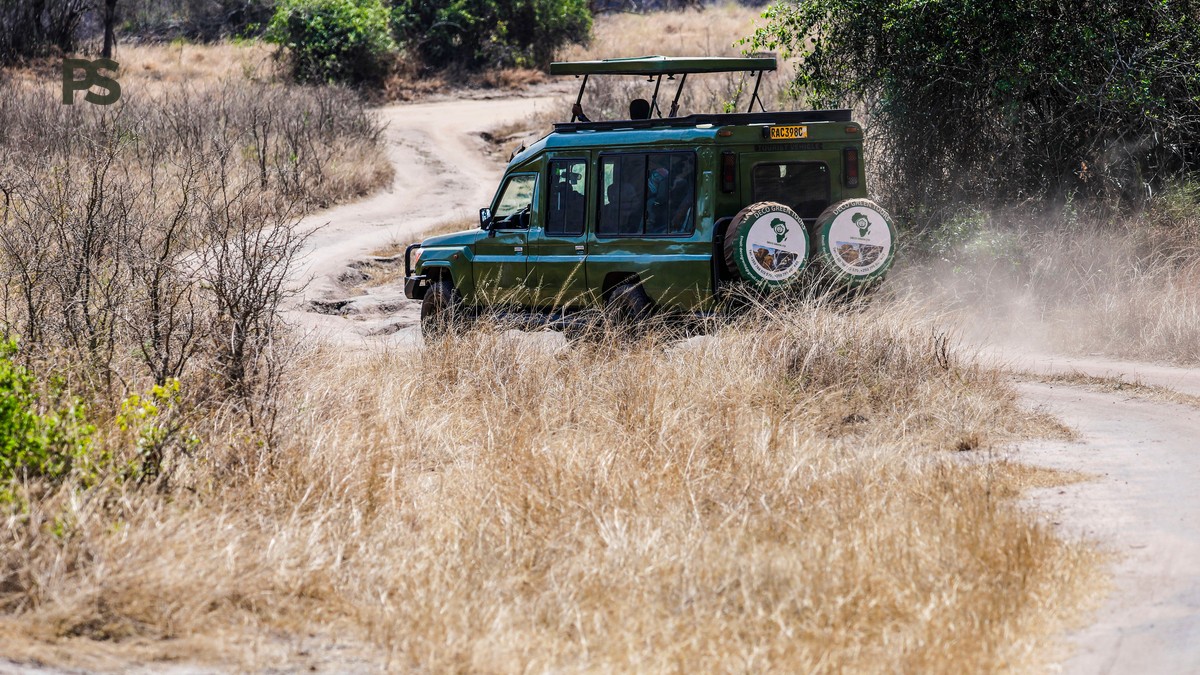
That matters because a standard 4×4 has three rows. Fill all three and you get four window seats plus two middle seats with no clean angle at all. Cut it to four people and everyone gets a window, room to swing a 500mm lens, and space for a beanbag on the roof hatch or door frame.
Some camps go further and book by the vehicle, not the seat. You pay for four spots whether two or four people show up. That is the real cost driver behind small-group pricing, and it is worth asking about directly when you book.
Why Vehicle Size Actually Changes Your Photos
A crowded vehicle forces a guide to angle for the middle of the group, not for any one photographer’s composition. With four people or fewer, a good guide can reposition for backlight, move a few meters for a clean background, or wait out a shadow without anyone complaining about lost time.
Window rotation is the other piece nobody explains well. On a proper photo vehicle, guests swap sides every sighting or every few hours so everyone gets a turn at the best light. With eight people crammed in, rotation breaks down and the same two guests get the good side all week.
Space also decides what gear you can actually use. A beanbag needs a flat door ledge or roof rail. A monopod needs floor room to plant it. Neither works when your knees are against the seat in front of you.
Best Conservancies and Parks for Kenya Photography
Not every part of Kenya treats vehicle density the same way. National reserves like the Masai Mara are open to any licensed operator, so sighting crowds can run ten vehicles deep at a good leopard tree. Private conservancies bordering the Mara cap vehicle numbers by contract and often limit sightings to a handful of vehicles at once.
| Location | Type | Off-road driving | Distance/time from Nairobi | Non-resident entry fee |
|---|---|---|---|---|
| Masai Mara National Reserve | County reserve (Narok County) | Not permitted | ~270 km, 5-6 hrs by road or 45-min flight to Mara airstrips | USD 100/day (Jan-Jun), USD 200/day (Jul-Dec) |
| Mara North Conservancy | Private conservancy | Permitted | ~275 km, similar routing to the Mara via Ol Kiombo or Musiara | ~USD 80-150/night, bundled into lodge rate |
| Naboisho Conservancy | Private conservancy | Permitted | ~280 km, closest airstrip is Ol Seki | ~USD 80-150/night, bundled into lodge rate |
| Amboseli National Park | KWS national park | Not permitted | ~240 km via Namanga road, 4 hrs by road or 45-min flight | USD 90/day |
| Samburu National Reserve | County reserve | Limited, guide-dependent | ~345 km, 6 hrs by road or 1-hr flight | Indicative USD 70-100/day, confirm locally |
The conservancies matter more than the headline park for photographers because they allow off-road positioning and night drives, neither of which the national reserves permit. For a deeper look at how these two accommodation models differ, our guide to conservancies that allow off-road photography access breaks down the permit rules camp by camp.
Off-Road and Night Drives: The Real Reason Small Groups Matter
This is the detail most tour-listing pages skip. Off-road driving is not allowed inside the Masai Mara National Reserve itself. It is allowed inside Mara North, Naboisho, Olare Motorogi, and several other private conservancies that sit on the reserve’s northern and eastern edges, each run by a conservancy trust with its own gate and vehicle cap.
Fewer vehicles per conservancy means guides can leave the track without churning up the same patch of grass fifty times a day. That is why conservancies restrict guest numbers per bed, typically one vehicle for every six to eight beds. It keeps sightings quiet and the ground intact.
Night drives with a red-filtered spotlight are also conservancy-only. They are how you get genet, aardvark, and hunting leopard images you will not find in a reserve that closes at 6:30pm.
Camps and Camp Positioning for Golden Hour
A camp’s location relative to a river crossing or a den site decides how much of your golden hour you spend driving versus shooting. Camps set back 20 minutes from the Mara River lose real time during crossing season. Camps within 10 minutes, like several tented properties along the Talek and Mara Rivers, let you reach a crossing before the light gets hard.
The same logic applies in Samburu, where camps along the Ewaso Nyiro River put elephants and the river’s warm morning light in the same frame without a long drive first.
How Many Days You Actually Need
Photography rewards patience more than any other kind of safari. A single big cat sighting can take three mornings to pay off in real light and real behavior. Our full breakdown of how many days you actually need for a photography safari covers this in detail, but the short version is five to seven nights in one or two conservancies beats a rushed circuit through four parks.
What a Small Group Actually Costs
Small-group and private-vehicle photo safaris cost more, and it is worth knowing why before you book. Standard shared safaris spread vehicle and guide costs across eight to ten guests. Photography-focused trips spread the same costs across four.
As an indicative range, expect a small-group or private-vehicle photography safari to run 25 to 60 percent more per person than a standard shared-group safari, often USD 150 to 400 more per person per day depending on camp and season. Peak migration months push that gap wider because the underlying park and conservancy fees rise too.
If budget is tight, ask an operator about a private-vehicle add-on rather than a fully private trip. Paying for the two empty seats in a shared vehicle can cost far less than booking an entirely separate itinerary, and you still get the space.
Vehicle Type Matters Too
Roof height, door design, and floor space vary a lot between operators. Our comparison of which safari vehicle gives photographers more room covers the practical differences between the two most common 4x4s used in Kenya, including hatch size and beanbag mounting points.
Guide Expertise
A guide who shoots himself, or who has spent years working alongside photographers, reads light and animal behavior differently than a general safari driver. Ask an operator directly whether your guide has photography-specific training before you book. It is a fair question and a good one worth pressing on.
Best Time of Year
June through October covers the wildebeest migration and river crossings, with the Mara ecosystem at its busiest and its most expensive. January through March brings green-season light, fewer vehicles, and newborn animals across Amboseli and the Mara conservancies. Samburu holds up well nearly year-round since it sees less rainfall overall.
Gear and Who This Suits
Bring at least one long lens, 300mm to 600mm, and a wider zoom for landscapes and elephant herds against Kilimanjaro. You do not need a professional camera body. A modern mirrorless or DSLR with a fast enough burst rate handles most action.
Small-group photo safaris suit intermediate to advanced photographers who want control over composition and timing. Beginners benefit too, since a patient guide and fewer people asking to move on make it easier to learn.
The Plain Safaris Difference
We cap our photography vehicles at four guests, not six, and we tell you that number before you pay a deposit. Our guides in Mara North and Samburu have logged years alongside working photographers, not just safari clients, and know when to cut the engine and wait rather than push on to the next sighting.
We also negotiate directly with conservancy trusts on vehicle density, so you are not sharing a den site with three other operators’ trucks. When we quote a small-group price, it already includes the camp’s per-night conservancy fee, so there are no surprises at checkout.
Plan Your Trip
If you want a photography safari built around light, patience, and a vehicle with room to work, we would like to help you plan it. Have a look at our photography safari packages or get in touch through our contact page to talk through dates and conservancies.