
How many days photography safari trips need is not what most generic guides tell you. Every safari guide online tells you 7 to 10 days is the sweet spot. That number comes from general travel planning, not from anyone who has actually sat in a vehicle at 6:15am waiting for light to hit a lioness on a termite mound. If you are planning a trip built around your camera, the real answer depends on drive times, camp minimums, and how many mornings you can afford to lose to settling in.
I have driven guests from Wilson Airport to the Mara, to Amboseli, and to Samburu more times than I can count. The honest version of this answer has numbers in it: kilometers, hours, and shillings. Here is what those numbers actually mean for your itinerary.
How Many Days Photography Safari Planning Needs, Beyond the 7-10 Day Rule
The general rule of thumb floating around most safari sites says 7 to 10 days gives you a complete trip. That is fine advice for a first-timer doing a broad multi-country loop. It says nothing about transfer time, park fees that change by season, or what a photographer specifically needs from a sighting.
For Kenya, the honest starting point is this: is a 3-day safari worth it? Yes, for a first taste of the bush. No, if you want a body of images you would print. Three days gets you sightings. Six to seven days gets you a portfolio.
Safari length tiers, seen through a lens
Break it down by what you can realistically shoot, not just what you can see.
- Short (3-5 days): One destination, usually the Mara. You will get good frames if the light cooperates, but no room to wait out a bad morning.
- Medium (5-7 days): One or two destinations. Enough nights per camp to work a sighting properly across several light conditions.
- Extended (7-10 days): Two to three destinations, often Mara plus Amboseli or Samburu. Different landscapes, different species, different light.
- Expedition (10-14+ days): Three or more destinations with real depth at each. Built for photographers chasing specific behavior, not just species checklists.
Why 3 nights minimum per camp actually matters
Photography guides always mention a 3-night minimum per camp, and it is not a marketing rule. It is math. Your first game drive is spent learning the terrain, figuring out where the guide thinks the resident pride is denning, and missing shots because you are still adjusting settings for the dust.
Night two, you start anticipating. You know which side of the vehicle to sit on for the light. Night three is when the good frames start showing up, because you and your guide are working as a team instead of you just riding along.
Two nights is not enough time for that shift to happen. If your itinerary has you moving camp every two nights, you are spending more time packing and repacking than shooting.
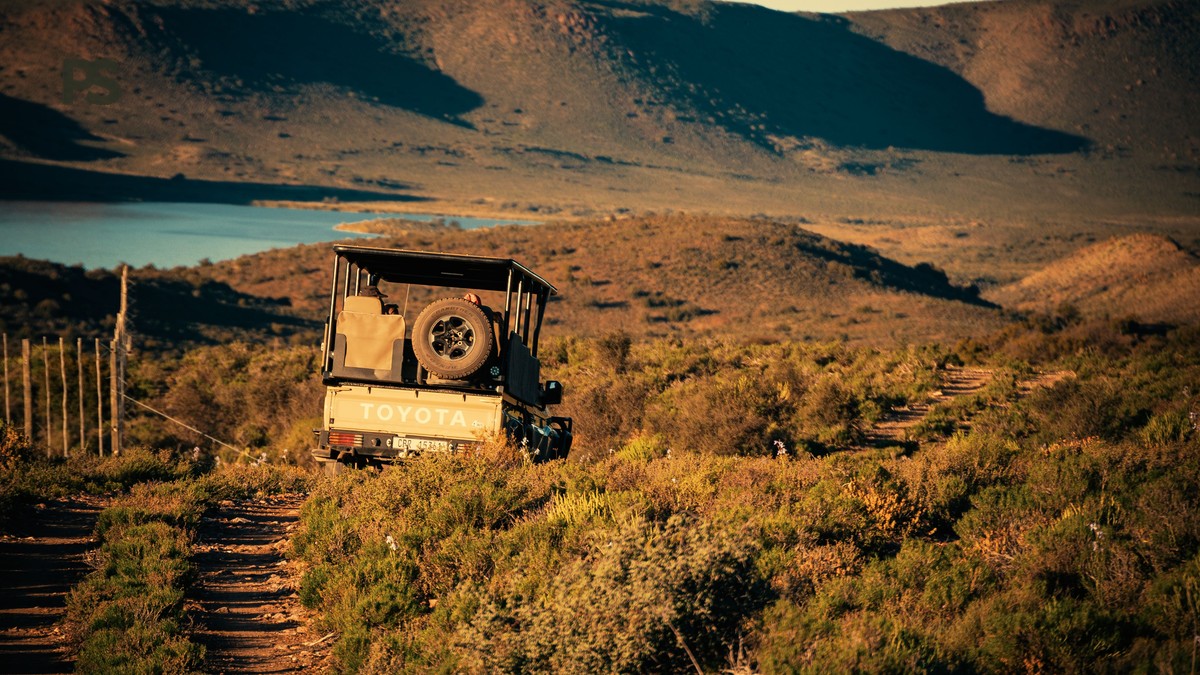
The morning you lose to trigger-happy shooting
Nobody talks about this one, but every guide has seen it. Day one, guests photograph everything. Impala at 40 meters, a warthog trotting across the track, a lilac-breasted roller three vehicles deep. By the second afternoon, the same guests are ignoring impala completely and waiting for a leopard in a sausage tree.
That adjustment period costs you roughly a full day of shooting discipline. Build it into your count. A 5-day trip is really 4 productive days. A 7-day trip is really 6.
How much of your trip disappears into transfers
This is the part most global guides skip entirely, because they are not writing about Kenya specifically. Here is the real cost of getting from Nairobi to your first camp.
| Route | Road distance | Drive time | Flight time from Wilson Airport |
|---|---|---|---|
| Nairobi to Masai Mara (Narok route) | approx. 270 km | 5 to 6 hours | approx. 45 minutes |
| Nairobi to Amboseli | approx. 240 km | 4 to 5 hours | approx. 30 to 45 minutes |
| Nairobi to Samburu | approx. 325 km | 6 to 7 hours | approx. 1 hour 10 minutes |
If you are driving in, you can lose a full day each way on a 3-day Mara trip, which is most of your transfer time into the Maasai Mara budget gone before you have raised a camera. Flying gets you shooting by mid-morning on day one instead. On a short trip, the flight is worth every shilling of the difference.
Season and timing, matched to trip length
Light and animal behavior change with the calendar, and that should shape how many days you book, not just when.
The dry season, roughly June through October, is the classic choice. Grass is short, visibility is excellent, and animals cluster near water. The Mara migration typically peaks from around July through September, when the Mara reserve fee also rises to USD 200 per adult per day for non-residents, up from USD 100 in the January to June window. If you are chasing migration river crossings specifically, budget the full 7 days. Crossings are unpredictable, and you need multiple mornings at the Mara or Talek river to have a real shot at one.
The green season, November through May, brings dramatic skies, newborn animals, and far fewer vehicles at any sighting. It rewards a slightly shorter trip, since fewer crowds mean less time wasted jockeying for position. Five focused days in April can outproduce seven in August, if empty frames and storm light matter more to you than herd numbers.
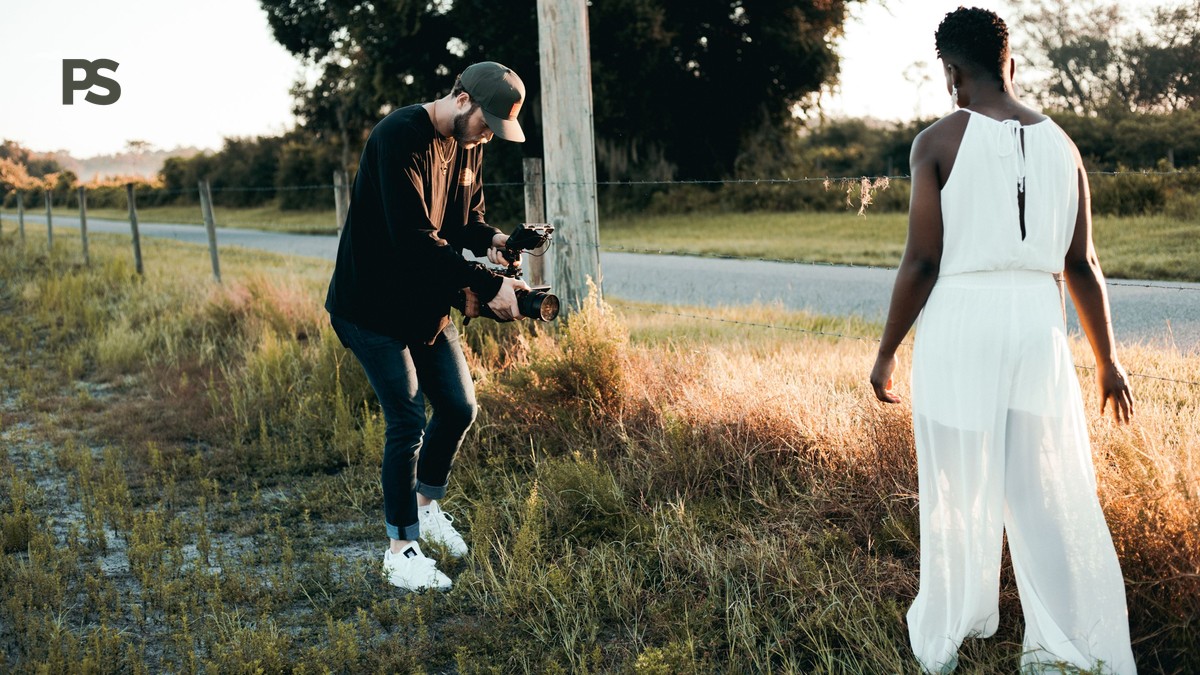
Specialist photo infrastructure worth building your days around
Not every camp is set up for photographers, and the difference matters more than people expect.
Private conservancies bordering the Mara reserve, places like Naboisho, Mara North, and Ol Kinyei, cap vehicle numbers per sighting. Off-road driving is permitted, which the main reserve restricts. A leopard sighting in Naboisho might have two vehicles. The same sighting on the reserve side near Talek could have fifteen.
Some camps run dedicated photography vehicles with beanbag mounts and low, unobstructed sightlines, and pair guests with guides trained specifically for photographic positioning rather than general game viewing. Samburu’s riverine forest along the Ewaso Nyiro, near camps like Elephant Bedroom Camp, works differently again, with elephants crossing sandy riverbanks in a kind of light you will not find in the Mara’s open grassland.
Positioning also decides your golden hour. A camp 40 minutes from the best cat territory eats your first and last hour of usable light in transit. Ask before booking about camps positioned for golden hour light, close enough to be shooting within 10 to 15 minutes of leaving camp.
What it costs, by trip length
| Trip length | Realistic outcome for photography | Indicative cost range per person (mid-range camps, private vehicle) |
|---|---|---|
| 3 days, Mara only | Good sightings, few repeat chances, limited light windows | USD 1,200 to 2,000 |
| 5 days, Mara + Amboseli | Solid variety, one full working sighting cycle per stop | USD 2,500 to 4,000 |
| 7 days, Mara + Samburu or Amboseli | Real portfolio depth, room for a bad-weather day | USD 4,000 to 6,500 |
| 10-14 days, three destinations | Behavior-focused shooting, multiple crossings or hunts possible | USD 7,000 to 12,000+ |
These are indicative ranges only, since camp category, season, and group size change the total significantly. A private 4×4 with a dedicated driver-guide typically runs USD 250 to 450 per day on top of camp rates, again as an indicative range, depending on vehicle type and camp.
Choosing your length based on your actual goal
If you want the Big Five checklist, 5 to 6 days across two ecosystems usually covers it, since rhino and Cape buffalo are reliable in the Mara and Amboseli. If you are chasing a specific behavior, a river crossing, a hunt, a den full of cubs, plan for 7 days minimum in one location. Patience-driven photography does not compress well. You cannot book a crossing for Tuesday.
The Plain Safaris Difference
We build itineraries around your camera, not around a generic template. That means matching camp nights to what a sighting actually needs, choosing conservancies with genuinely low vehicle density over reserve areas with heavy traffic, and being upfront when a 3-day trip will not get you what you are picturing in your head. We would rather tell you honestly that 6 days beats 4 for your goals than sell you a shorter package that leaves you frustrated on the plane home.
We also plan around real transfer numbers, not rounded-off estimates, so your first morning in camp is spent shooting instead of recovering from a long drive.
Plan your days with us
If you are weighing 4 days against 7, or trying to work out whether Samburu or Amboseli fits better around a Mara stay, we can build the itinerary around your actual shot list. Have a look at our photography safari packages or get in touch through our contact page to start planning.