
I have sat in a vehicle at 6:15 a.m. on the Ewaso Nyiro river bank, waiting forty minutes for a Grevy’s zebra to walk out of a lugga and into open light. It never fully did. That is Samburu in one sentence. The animals here are stranger and more cautious than the Mara’s, and getting the shot takes more patience than horsepower. This Samburu Special Five wildlife guide starts from that kind of morning.
The Samburu Special Five are five species you will not find on a standard Big Five checklist: Grevy’s zebra, reticulated giraffe, gerenuk, beisa oryx, and Somali ostrich. They live in the dry, red-soil country north of the equator, in and around Samburu National Reserve, and almost nowhere else in East Africa.
How to Use This Samburu Special Five Wildlife Guide
This guide covers where each species reliably shows up, the light that works best for each, camp positions relative to the river, and realistic drive times from Nairobi. Use it to decide which gate, camp, and season fit the species you care about most.
What Are the Samburu Special Five?
Local guides coined the term in the 1990s to give northern Kenya’s arid-country specialists their own identity, separate from the forest and savanna Big Five further south. All five are adapted to heat, thorn scrub, and low rainfall. None of them range naturally into the Maasai Mara or the Serengeti.
Meet the Five
Grevy’s zebra is the largest wild equid alive, with narrower stripes than the plains zebra and big rounded ears. Fewer than 3,000 remain in the wild, almost all in Samburu, Buffalo Springs, and the Laikipia conservancies. The IUCN lists it as Endangered.
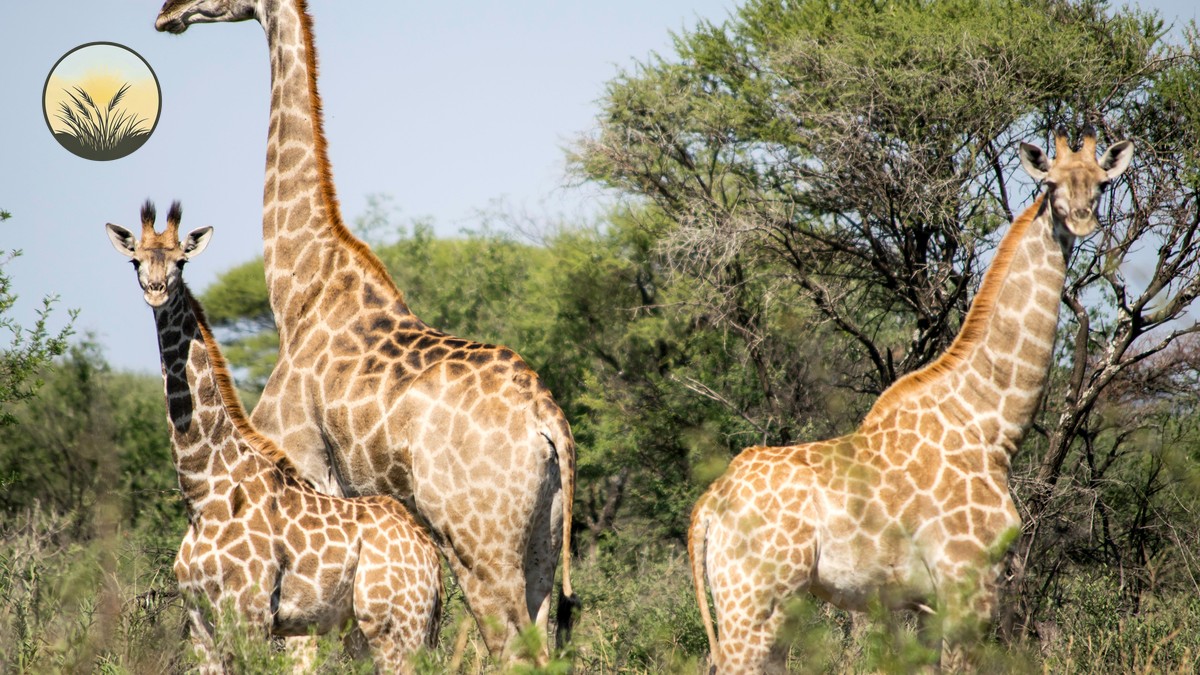
Reticulated giraffe has a coat pattern of sharp-edged, liver-colored patches on white lines, unlike the ragged blotches of the Masai giraffe further south. You will find loose herds browsing acacia along the Ewaso Nyiro most mornings.
Gerenuk is the long-necked gazelle that stands on its hind legs, front hooves against a branch, to browse leaves other antelope cannot reach. Its name comes from the Somali word for giraffe-necked. Watch for this posture around 7 to 9 a.m. before the heat sets in.
Beisa oryx carries near-straight, ringed horns up to 90 cm long and a bold black-and-white face mask. It is the most skittish of the five and tends to hold the far edge of open plains. That means you need distance and a long lens, not a close approach.
Somali ostrich has a blue-grey neck and legs rather than the pink of the common ostrich, most vivid on breeding males. Pairs are easiest to find on the open flats near Buffalo Springs.
Samburu Special Five vs the Big Five
Both lists are worth chasing on the same trip. Here is how they actually differ on the ground.
| Samburu Special Five | Big Five | |
|---|---|---|
| Typical range | Samburu, Buffalo Springs, Shaba, Laikipia, Meru | Maasai Mara, Amboseli, Tsavo, Laikipia |
| Habitat | Dry acacia scrub, red laterite soil | Savanna grassland, woodland, forest |
| Difficulty to photograph | Moderate to hard, several are skittish | Easy to moderate, more vehicle-habituated |
| Best lens | 400mm+ for oryx and Grevy’s zebra | 100-400mm covers most sightings |
| Can combine both lists in one trip | Yes, pair Samburu with Laikipia or the Mara | Yes |
| Approx. daily park fee (non-resident adult, 2026 indicative) | USD 70-100 | USD 80 (Mara), USD 60-90 (Amboseli/Tsavo) |
Where to See Them: Gate by Gate
Samburu National Reserve sits about 345 km north of Nairobi. The drive takes roughly 5.5 to 6 hours via Nanyuki and Isiolo, or you can take a 55-minute charter flight to Kalama or Samburu airstrip. Enter through Archer’s Post gate for the fastest access to the river frontage, where giraffe and elephant concentrate.
Buffalo Springs National Reserve shares the same river but sits on the south bank, reached through Ngare Mara gate. It tends to have fewer vehicles and is a strong bet for oryx and ostrich on its open plains.
Shaba National Reserve lies east of Archer’s Post, wilder and less visited, good for Grevy’s zebra away from crowds, though roads are rougher after rain.
Lewa Wildlife Conservancy and Il Ngwesi, both in Laikipia, cap vehicle numbers per sighting and hold strong Grevy’s zebra populations outside the reserve system entirely. Meru National Park lies about 4 to 5 hours by road east of Samburu, or a short charter hop away. It adds reticulated giraffe and oryx sightings with almost no other vehicles around. If Samburu itself feels crowded in August, pairing Samburu with Meru National Park is worth the extra day.
Best Time of Year for Photography
The dry seasons, January to March and June to September, give the clearest light and the best animal visibility. Thin vegetation means less cover for the shy species to hide in. Dust in the late afternoon light from July to September can add real warmth to backlit shots of oryx and zebra.
The short rains in November thicken the bush and scatter animals from the riverline, which makes gerenuk and oryx harder to track down. If your priority is the Special Five specifically, avoid mid-November through December.
Where to Stay
Camp positioning matters more here than in the Mara, because golden hour light on the river only lasts about twenty minutes before the heat haze builds.
| Camp | Tier | Location | Indicative rate (per night, full board, 2026) |
|---|---|---|---|
| Elephant Bedroom Camp | Mid-luxury | On the river inside Samburu Reserve | USD 450-600 per person |
| Samburu Intrepids | Mid-range | Riverside, Samburu Reserve | USD 350-480 per person |
| Sasaab | Luxury | Ewaso Nyiro river, private conservancy land | USD 700-950 per person |
| Saruni Samburu | Luxury | Ridge-top, Kalama Community Conservancy | USD 650-900 per person |
Rates shift by season and are worth confirming directly, but the tiers above give a realistic planning range. For a longer photography-focused circuit, see our notes on the best Kenya safari camps for photographers.
Photography Tips and Equipment
Bring at least a 400mm lens if oryx and Grevy’s zebra are priorities. Both species hold distance from vehicles, often 60 to 100 meters, and a shorter lens will leave you cropping heavily.
Ask your guide to angle the vehicle so the sun sits behind your shoulder in early morning, rather than parking nose-on to a sighting. Conservancies like Lewa cap the number of vehicles at any one sighting, usually to three or four. That keeps animals calmer and your angles cleaner than a busy reserve road.
A stable window mount or beanbag beats a tripod in most vehicles. For dusty tracks, a rain cover or dry bag for your body and lens is worth packing regardless of season. If you are choosing a vehicle for this trip, it is worth understanding what makes a good photographic safari vehicle before you book. Low pop-up roof height and window angles change what shots are possible.
Cultural Significance to the Samburu People
The Samburu people, semi-nomadic pastoralists related to the Maasai, have grazed cattle and goats across this land for generations. Grevy’s zebra and oryx appear in local beadwork patterns and oral stories. Community conservancies like Kalama and Namunyak, run by Samburu landowners, now generate income directly from protecting these species rather than competing with them for grazing land.
The Plain Safaris Difference
We do not send you to Samburu with a generic checklist and hope the animals cooperate. We build the route around gate choice, camp position relative to the river, and which conservancy is quietest that week. If Grevy’s zebra is your priority species, we will tell you honestly whether three days is enough or whether you need four. We will also tell you whether Meru should be part of the plan. No trip goes out with more vehicles at a sighting than the animal can comfortably handle.
FAQs
What are the Samburu Special Five? Grevy’s zebra, reticulated giraffe, gerenuk, beisa oryx, and Somali ostrich, all found in northern Kenya’s dry country.
Is the Grevy’s zebra endangered? Yes, it is IUCN-listed as Endangered, with under 3,000 left in the wild.
How many days do you need in Samburu to see all five? Three full days gives a realistic chance at all five, since oryx and Grevy’s zebra can take patience to track down.
Can you see the Big Five and Special Five on one trip? Yes. Many travelers combine Samburu with the Mara or Laikipia in a 7 to 10-day circuit.
Is Samburu National Reserve safe to visit? Yes, it is a well-established reserve with regular tourist traffic and ranger presence at all main gates.
Plan Your Samburu Trip
If this guide has you picturing a quiet riverbank at first light, we would like to help you get there. Get in touch through our contact page and we will build a Samburu itinerary around the species and the light you are chasing.