
If you have already done the Maasai Mara, Samburu will surprise you. This guide to samburu safari unique wildlife works as a field checklist for your first days. This dry northern landscape runs on a different wildlife list. You will learn what to look for, where to stay, and the trade-offs to plan around.
What Makes Samburu Safari Unique Wildlife
Samburu is unique because its dry northern ecosystem supports species rarely seen in Kenya’s southern parks, especially Grevy’s zebra, reticulated giraffe, gerenuk, Beisa oryx, and Somali ostrich. The Ewaso Ng’iro River concentrates elephants and predators, while rocky hills, thornbush, and open plains create varied wildlife-viewing habitats.
You are not signing up for a smaller Maasai Mara. The reserve sits in hotter, drier country. Doum palms line the Ewaso Ng’iro River, and the horizon is ringed by rocky ridges. Here is how Samburu stacks up for someone who has already seen the southern circuit.
| Question | Samburu National Reserve | Maasai Mara National Reserve |
|---|---|---|
| Famous for | Samburu Special Five and large elephant herds | Big cats and the wildebeest migration |
| Reserve size | About 165 square kilometers | About 1,510 square kilometers |
| Non-resident entry fee per adult per day | Roughly USD 80 to 120, confirm at booking | USD 100 Jan-Jun, USD 200 Jul-Dec |
| Rhinos | Absent | Present but not easy to see |
| Drive from Nairobi | About 340 kilometers, about 6 hours | About 250 kilometers, 5 to 6 hours |
The Samburu Special Five: Your Field Checklist
Keep this list on your phone. It is the field version of what your guide will say anyway.
- Grevy’s zebra. Look for narrow stripes, a clean white belly, and rounded ears. It looks more like a horse than a plains zebra. Herds of twenty or more graze the open plains near the river. You will probably check this one on day one.
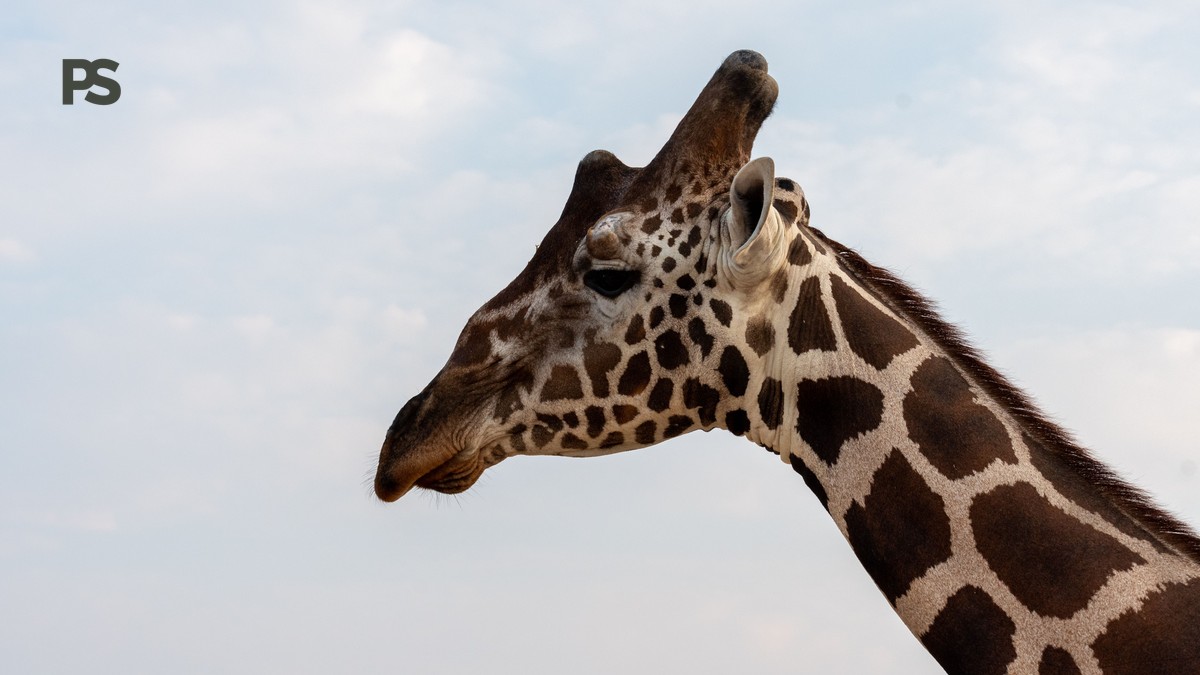
- Reticulated giraffe. Check the coat pattern closely. Dark polygons sit separated by thin white lines, like a net. A southern giraffe looks blotchier by comparison. Samburu holds one of the most reliable wild populations of this northern giraffe.
- Gerenuk. Watch the thornbush edges in the late afternoon. A gerenuk has a long neck, a small head, and large eyes. It often stands upright on its hind legs to reach acacia leaves. No other antelope does this as routinely.
- Beisa oryx. Scan the open flats for a pale antelope with black and white on its face and long straight horns. Beisa oryx travel in small bands across the semiarid plains. They can go days without open water.
- Somali ostrich. Look at the legs. If the neck and legs are blue-grey, the bird is a Somali ostrich. The common ostrich in southern parks shows pinkish skin. This ostrich moves through dry bush and is a steady Samburu find.
You can check all five in three full days. Most travelers miss at least one because they stop for every elephant. Keep a steady pace across the morning.
Checklist Item 6: Look Beyond the Special Five
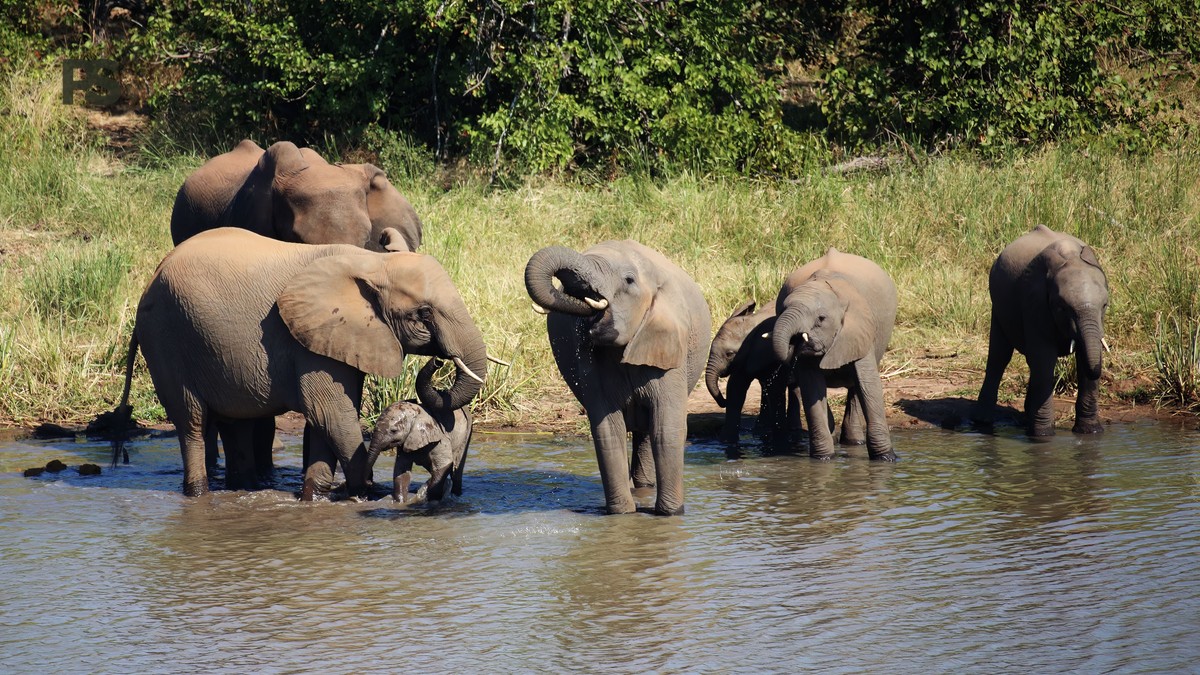
The rare five are the headline. Elephants are the daily show. Family groups gather along the Ewaso Ng’iro River, and you may watch a herd cross in front of camp while you eat breakfast.
Lions, leopards, and cheetahs all live here. Buffalo, crocodile, and hippo are regulars near the banks. Birders should come prepared. More than 450 bird species have been recorded across the wider ecosystem. Look for vulturine guineafowl, martial eagles, and the golden-breasted starling.
One honest warning: Samburu has no rhinos. You can see elephant, lion, leopard, and buffalo, but you cannot finish a Big Five sweep here. If the classic list matters more than the Special Five, read how to maximize Big Five sightings on a short safari.
Checklist Item 7: Plan Three Nights in the Dry Months
January to February and June to October are the best windows for unique wildlife sightings. Dry weather pushes animals toward the Ewaso Ng’iro River and keeps vegetation low. Heavy rain in March and April, and the short rains around November, can spread animals across wetter country.
Three nights is the practical minimum. That gives you six game drives. Samburu National Reserve is compact, so you can learn the main routes in two full days. The third day adds slack for weather or a quiet conservancy morning.
Getting there takes longer than a Mara trip. The road from Nairobi is about 340 kilometers and can take six hours with stops. A flight from Wilson Airport to Samburu airstrip takes roughly one hour and fifteen minutes. Many visitors drive one way and fly the other.
Checklist Item 8: Choose a River Camp or a Private Conservancy
Where you sleep shapes your day. Camps along the river, such as Elephant Bedroom or Larsens Camp, put you close to elephants and big cats at first light. A private conservancy camp north of the reserve, in Kalama or Westgate, keeps vehicle numbers lower and supports community wildlife programs.
Small-group safaris pay off here because flexibility wins. Plain Safaris caps most vehicles at six travelers, so the guide can hold position at a leopard sighting or wait out a quiet bend. If you book these trips as small-group safaris with a maximum of six travelers, you will spend less time stopped behind other vehicles.
Fees work differently on each side. Reserve entry fees run as an indicative range of roughly USD 80 to 120 per adult per day. Conservancy fees are usually included in the camp rate, roughly USD 150 to 300 per person per night. Confirm exact figures with your operator, since rates change by season.
Mention Reteti if you love elephants. The Reteti Elephant Sanctuary sits in nearby Namunyak, run by the local community. Many itineraries add it as a focused morning visit.
For a longer week, you can combine Samburu with a Laikipia walking and riding safari and meet the same northern species from a different angle. Laikipia adds private land, walking, and fewer vehicles.
Trade-Offs: What Samburu Does Not Offer
Samburu is worth it when northern specialties and quiet mornings matter more than rhino sightings or heavy Big Five action. Southern veterans sometimes miss the predator volume of the Mara. In exchange they get lower vehicle pressure and a landscape that feels far from the standard circuit.
The river is dependable. Camps return to the same bends year after year because the wildlife does the same. That is the quieter, earlier version of safari that most repeat visitors want by the third or fourth trip.
Your Next Step
Decide on your month before you research lodges. Three nights is the minimum. If you can stretch to four, add Kalama or Reteti. Then tell Plain Safaris your dates, and we will build a small group itinerary around the Special Five. Use the contact page to send the month you are thinking about, and we will reply with drive times, camp options, and current fees.