
You have decided to see the Great Migration. Now you need the details that most guides skip. This Kenya safari planning guide for Urdu speakers answers the real questions. How much in PKR? What about halal food? Where do you pray? How long is the flight from Karachi?
I have driven these roads and sat at these camps. Here is the honest picture, with real numbers and real place names. No vague promises.
How Many Days Do You Need for a First Kenya Safari?
Plan for at least 7 days inside Kenya. This gives you 5 full safari days plus arrival and departure. You will land in Nairobi, drive or fly to the park, and have buffer time for jet lag.
A shorter trip of 5 days works if you only visit the Masai Mara. But you will spend one full day traveling each way. A 7 day safari lets you see 2 different ecosystems. Add a third park if you have 10 days.
Here is a simple first timer plan:
| Safari Length | Parks & Regions | What You See | Best For |
|---|---|---|---|
| 5 days | Masai Mara only | Big Five, river crossings | Tight schedules |
| 7 days | Amboseli + Masai Mara | Elephants at Kilimanjaro, wildebeest | Most first timers |
| 10 days | Amboseli + Lake Nakuru + Masai Mara | Flamingos, rhinos, full migration | Photography and depth |
The drive from Nairobi to the Masai Mara takes about 5 to 6 hours. The road is tarmac to Narok town, then rough dirt into the reserve. A 4×4 is essential. The drive to Amboseli is about 4 hours. Many travelers fly from Wilson Airport to the Mara to save time, but driving shows you Kenyan village life.
Kenya Safari Planning Guide for Urdu Speakers: Costs from Pakistan in PKR
This is where most guides stay vague. Here are the real costs.
Kenya Wildlife Service and the Narok County Government both raised entrance fees in October 2025. KWS sets the rates for national parks. Narok County sets the rate for the Masai Mara, since the Mara is a county-run reserve, not a KWS national park. These are the current rates you must budget for per adult per day:
- Amboseli National Park (KWS): USD 90
- Lake Nakuru National Park (KWS): USD 90
- Masai Mara (Narok County reserve): USD 100 (January to June), USD 200 (July to December)
- Naboisho Conservancy: roughly USD 80 to 150 per night, bundled into your lodge rate
The Masai Mara fee doubles from July through December. This is the migration peak. If you want value, travel in June or September. You still see huge herds, but you pay the lower rate.
A mid range safari costs about USD 250 to 350 per person per day. This includes a lodge room, three meals, a dedicated 4×4 with pop up roof, and the driver guide. It does not include the park fees above. These add USD 100 to 200 per person per day.
For a 7 day safari, expect to pay roughly USD 2,800 to 3,800 per person. In Pakistani rupees, this is about PKR 7.8 lakh to 10.6 lakh at 280 PKR per dollar. This includes flights inside Kenya, all park fees, all accommodation, and all meals. International airfare is separate.
Budget camps in places like Naboisho run lower, around USD 180 per night. Luxury tented camps in the Mara can cross USD 800 per night. Be honest about your comfort level and plan from there.
Visa and eTA Requirements for Pakistani Passport Holders
Yes, you need a visa. Since January 2024, Kenya uses an electronic travel authorization, or eTA. Pakistani citizens must apply online before departure.
The eTA costs about USD 34 plus a service fee. Some reports show higher amounts. Apply at least 2 weeks before travel. The website asks for your passport scan, a passport photo, flight itinerary, and proof of accommodation.
Do not use a visa agent. The official portal is the only place you need. The approval comes by email in a few days. Print it and carry it with your passport.
Kenya requires a yellow fever vaccination certificate only from travelers arriving from countries with risk of yellow fever transmission. Pakistan is not on that list, and neither are the common transit hubs of Dubai, Doha, and Abu Dhabi, so most Pakistani travelers will not need one. Entry rules can change, so confirm the current requirement before you fly. If you do need the vaccine, get it at least 10 days before departure and carry the certificate with your passport at Nairobi airport arrivals.
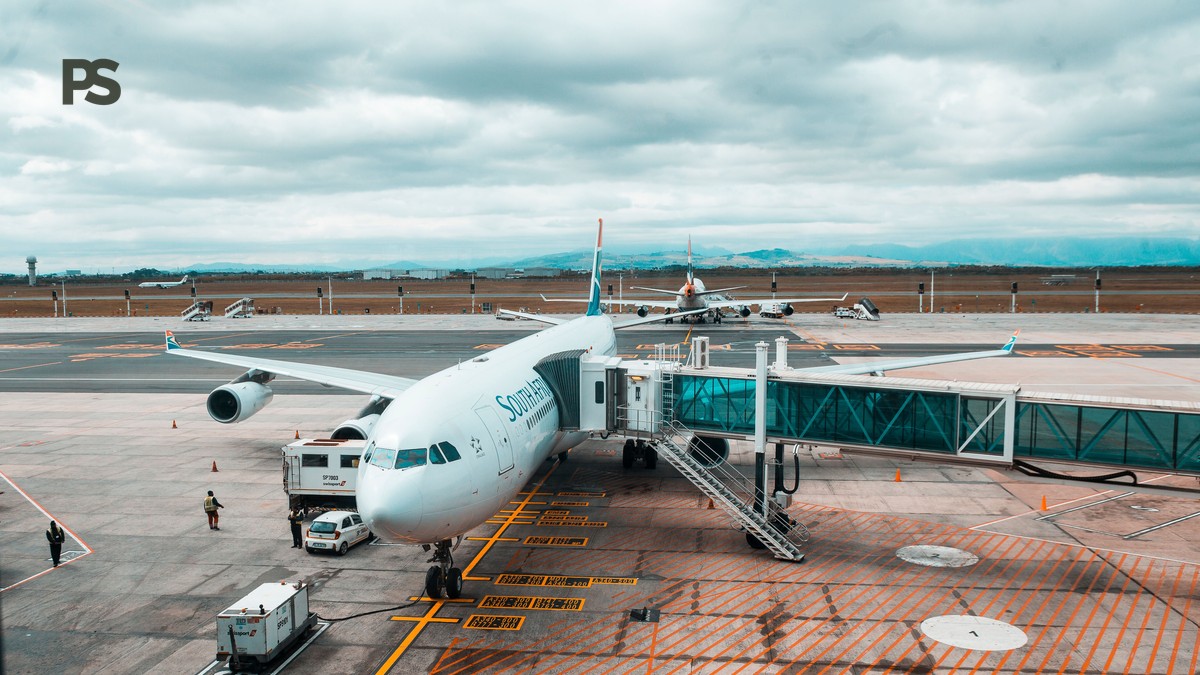
Flights from Karachi, Lahore, and Islamabad to Nairobi
There are no direct flights from Pakistan to Nairobi. You will connect through the Gulf. This is normal and works well.
The total journey from Karachi to Nairobi takes about 9 to 12 hours, including one layover. Common routes go through Dubai, Doha, Abu Dhabi, or Sharjah.
| Departure City | Airline | Layover City | Layover Time | Total Trip Time |
|---|---|---|---|---|
| Karachi | Emirates | Dubai | 2 to 5 hours | 9 to 11 hours |
| Lahore | Qatar Airways | Doha | 2 to 6 hours | 10 to 12 hours |
| Islamabad | Etihad | Abu Dhabi | 3 to 5 hours | 10 to 12 hours |
| Karachi | flydubai | Dubai | 4 to 8 hours | 11 to 14 hours |
Book a longer layover in Dubai or Doha. It breaks the journey. You can rest, eat, and pray in the massive airport terminals. Doha’s Hamad International has quiet prayer rooms. Dubai airport has designated prayer rooms in every concourse.
Halal Food and Prayer Facilities on Safari
Here is the honest answer. Halal food is easiest in Nairobi and Mombasa. The city has many certified restaurants. Your safari lodge can provide halal meat with advance notice, but certification varies.
Tell your safari planner your dietary needs before arrival. The lodge kitchens will prepare chicken and beef from halal sources if you ask. In the Masai Mara, most lodges use locally sourced meat. Do not assume it is halal. Request it clearly.
For vegetarians and seafood eaters, the choice is easy. Kenyan lodges offer excellent vegetable curries, fresh fruit, and grilled fish. Many Muslim travelers opt for vegetarian meals on safari to avoid uncertainty. This is a smooth, practical solution.
Prayer facilities are not common inside the parks. The Serengeti side has a few mosques near towns. In the Mara, you will not find a mosque inside the reserve. You will pray in your tent, at the lodge, or during a game drive break.
The good news is that safari schedules are flexible. Tell your guide about your prayer times. They will plan game drives around them. Dawn and dusk drives are the best times to see animals. You can easily adjust for Dhuhr and Asr prayers. Sunset is Maghrib time, and the guide will return you to camp.
Your private safari is the key. A private vehicle means you control the schedule. You stop for lunch and prayers when you need to. Group tours are less flexible.
Where to Stay: Parks, Reserves, and Conservancies
You have three main options in the Mara region.
The Masai Mara National Reserve is the classic. It is county run, not a national park. Vehicle numbers are high in peak season. Game viewing is good but crowded near river crossings.
The private conservancies like Naboisho and Mara North sit next to the reserve. These are the quieter corners. Vehicle limits are strict, often only 3 or 4 cars per sighting. The lodge rates include the conservancy fee, roughly USD 80 to 150 per night. You see the same wildebeest migration but with fewer crowds.
Amboseli sits below Mount Kilimanjaro. It is famous for huge elephant herds. The dry lake bed is iconic. You will see dust devils and flat plains under the mountain. It pairs perfectly with the Mara.
Lake Nakuru offers a different habitat. The park has rhinos, buffalo, and flamingos on the lake edge. It is a smaller reserve. You can drive the whole park in one day. It works well as a stopover between the Mara and Nairobi.
Best Time to Visit Kenya from Pakistan
The dry season runs from June to October. This is the best time for game viewing. Animals gather at water sources. The grass is short, so visibility is excellent.
The Great Migration crosses the Mara River between July and October. If you want to see river crossings, book for August or September. This is peak season. Prices and park fees are at their highest.
January and February are the calving season in the southern Serengeti. But you are in Kenya, so the Mara hosts the resident herds that wait for the migration to return. The weather is warm and dry.
Avoid April and May. This is the long rain season. Some lodges close. The roads turn to mud. Many airstrips become unusable. If you have a tight schedule, do not risk these months.
What to Pack for a Kenya Safari as a Muslim Traveler
Pack light layers. The mornings in the Mara are cool, around 10 degrees Celsius. Midday reaches 25 to 30 degrees. A light fleece and a scarf work well.
For women, loose clothing is respectful and practical. Long skirts with leggings under them are ideal. For men, light trousers and short sleeve shirts work. Avoid bright colors. Neutral tones like khaki, beige, and olive help you blend into the bush.
Carry a separate washbag for wudu. A large water bottle works for ablution at the vehicle. A small foldable mat is useful for prayers in the open. The safari vehicle has ample floor space.
Do not forget the yellow fever card if your route requires one. Also bring insect repellent and anti malaria tablets. The highlands of Nairobi are malaria free, but the Mara is low altitude. Consult your doctor at home before travel.
Wildlife Highlights and the Big Five
You will see lion, leopard, elephant, buffalo, and rhino. The rhino is the hardest. Lake Nakuru is your best bet. The Mara has strong lion and leopard populations. Amboseli has the best elephants.
Beyond the Big Five, watch for cheetah, hyena, and giraffe. The wildebeest herds are the main event. Hundreds of thousands of animals move as one. At a river crossing, the chaos of dust, hooves, and crocodile is unforgettable.
Health and Safety for Pakistani Travelers
Kenya is safe when you use reliable operators. The parks are not cities. You will be with your guide at all times. The main safety concern in Nairobi is city traffic and petty theft, not wildlife.
Drink bottled water only. Eat at the lodge restaurants. Ask for fresh food. Tap water is not safe. Your lodge provides filtered water.
Malaria is a real risk in the bush. Take prophylactic tablets as prescribed. Use mosquito repellent at dawn and dusk. Wear long sleeves in the evening.
Family and Multi-Generational Safari Planning
Kenya works well for families. Children as young as 5 enjoy game drives. Many lodges offer family tents and private vehicles. A private 4×4 gives you control over rest stops and meal times.
For elders, consider the flight into the Mara instead of the long drive. The 45 minute flight hits a dirt airstrip right at your camp. It costs more but saves a full day of bumpy roads. Discuss mobility needs with your planner. The vehicle steps are high, but your guide helps everyone in.
The Plain Safaris Difference
Most guides are written for European or American readers. They assume you will fly from London or New York. This guide is different. We plan trips for Pakistani families every month.
We book your eTA, confirm halal meal requests with every lodge, and schedule game drives around prayer times. We know which camps in Naboisho have the quietest corners and which airstrip is closest to your tent.
Our drivers are Maasai and Kikuyu men who have worked here for a decade. They know where the leopard hides and how to position the vehicle for the perfect photo. They also know how to respect your privacy and your faith.
We give you real PKR costs upfront. No hidden fees. No surprise park entrance charges. We have included direct lodge names, drive times, and exact fees in this guide because you deserve clarity.
Ready to Plan Your Safari?
Now you have the real facts. You know the costs in Pakistani rupees. You know the visa steps. You know the halal food situation and the prayer schedule.
The next step is to plan your dates and send us your questions. We will put together a full day by day itinerary with named camps, flight options, and a clear price in PKR.
Plan your Kenya safari with Plain Safaris and let us handle the logistics. Your job is to pack the camera and the prayer mat. We will take care of the rest.