
You have done the big-cat morning drives. You have watched the Mara crossings from the front row. Now consider the other side of Kenya: the coast, and one very full day on the water.
The Diani Kisite Mpunguti marine safari is the classic day trip from Diani Beach. It combines a protected marine park, dolphin searching, snorkeling, a dhow crossing, and a Swahili island lunch. Good shared trips start around $93, and a well-planned day fits into about eight hours.
Most first-timers are caught off guard by two things: the early start, and price confusion, since tour marketplaces list everything from $93 to over $180. I have done this route several times. This post breaks it down hour by hour and lists the inclusions to verify.
What a Diani Kisite-Mpunguti Marine Safari Includes
A typical full-day safari includes hotel pickup in Diani, a road transfer to Shimoni, a dhow or motorboat ride, dolphin searching, guided snorkeling at Kisite-Mpunguti, lunch on Wasini Island, and return transport. Some itineraries also include a village walk or a visit to the Shimoni Slave Caves, but inclusions vary by operator.
Most operators use a traditional wooden dhow for at least part of the day. Pilli Pipa Dhow is the best-known name on this route, running a shared day from Diani with a shaded deck and a seafood lunch on Wasini Island. Speedboat options cover the same ground faster but louder. If you are curious how the day stacks up against inland water trips, our guide to Kenyan boat safaris covers Lake Naivasha and similar routes.
The exact order changes with the tides. A common sequence is road transfer to Shimoni, a 20 to 40 minute boat ride to the reef, a snorkel stop, dolphin searching, then lunch on Wasini before the return crossing. When the wind picks up, boats may anchor near Kisite Island instead of crossing to Wasini for swimming.
Diani to Shimoni: Distance, Transfer, and Departure Times
Kisite-Mpunguti lies roughly 50 kilometres south of Diani, and the road transfer to Shimoni usually takes about one hour before the boat crossing. Diani pickups commonly start around 7:30 to 8:00 a.m.; Mombasa departures leave earlier because of distance and possible Likoni ferry delays.
The road south passes Ukunda, Msambweni, and several beach villages before turning inland at Shimoni. Most of it is sealed, but potholes can slow a standard vehicle.
Here is the typical daily sequence during the busy season:
- 5:30 to 7:00 a.m. Mombasa hotels depart.
- 7:30 to 8:00 a.m. Diani hotels depart.
- Around 8:30 a.m. Boats load at the Shimoni jetty.
- 9:00 to 9:30 a.m. Dolphin search starts.
- 10:30 to 11:30 a.m. Snorkeling at the reef.
- 12:30 to 2:30 p.m. Lunch on Wasini Island.
- 3:00 to 4:00 p.m. Return crossing to Shimoni.
- 4:30 to 5:30 p.m. Back in Diani.
The transfer time is real, and so is the boat time. You will spend close to three hours in transport before the first snorkel. That is why the shared day trip dominates the market.
Kisite-Mpunguti Snorkeling, Dolphins, and Marine Life
The main activities are dolphin watching, snorkeling over protected coral reefs, swimming, and sometimes diving. Dolphins are regularly reported but never guaranteed. Visibility depends on wind, tides, and sea conditions. You may also see rays, turtles, and tropical fish.
Kisite Marine National Park and the adjacent Mpunguti Marine National Reserve sit just off Wasini Island. In calm water you float over table corals, parrotfish, clownfish, and the occasional turtle. Most crews time the snorkel for an incoming tide, when clearer water moves over the reef and the fish feed. The best Kisite Mpunguti snorkeling happens in the first two hours after arrival.
Dolphins are the headline of any Diani dolphin tour. Bottlenose and spinner dolphins travel these waters, often in pods. Crews cruise the channel between Shimoni and Wasini until they spot a pod, then slow down so everyone can watch. Boats keep a respectful distance, so expect a great view rather than a swim with dolphins.
Scuba diving is the main extra on this route. If you are certified, ask about a two-tank dive. It adds time and roughly USD 80 to 120 per person, an indicative range depending on equipment and operator.
Wasini Island Lunch and Cultural Activities
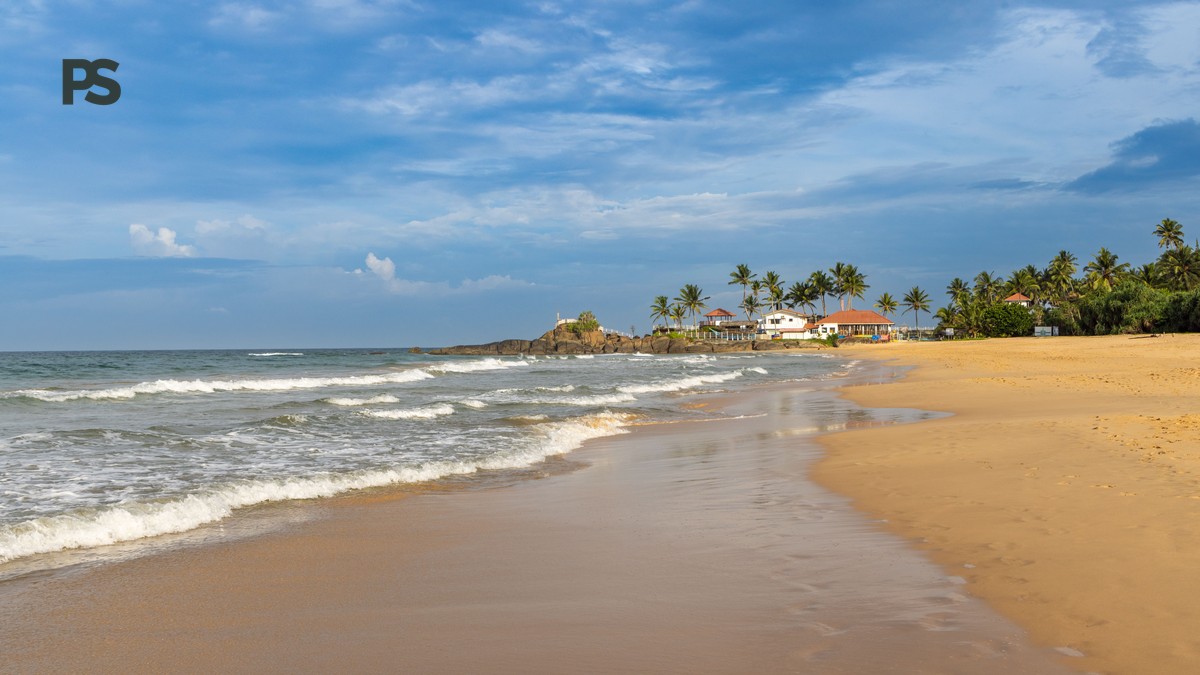
Most classic trips finish the marine activities with a Swahili seafood lunch on Wasini Island, commonly featuring fish or crab. Chicken and vegetarian alternatives are available when requested in advance. Depending on the itinerary, you may also take a guided village walk or visit the Shimoni Slave Caves.
Lunch is served in open-sided bandas under makuti thatch, steps from the water. Fish comes from the morning catch, often grilled whole or cooked in coconut sauce, with rice, bhajia, and kachumbari. If you do not eat seafood, tell the operator when you book.
After lunch, some groups walk through Wasini village, passing coral-stone houses, mangrove walkways, and seaweed farms. Others cross back to Shimoni to visit the Slave Caves, a few hundred metres inland, where the history of the slave trade is handled respectfully.
This cultural half of the day is why the trip takes eight hours rather than four. A Wasini Island boat trip from Diani is not just a snorkeling excursion, but a window into a working Swahili island.
Kisite-Mpunguti Safari Prices: What $100 Buys
Published prices range from about $93 for a shared day trip to roughly $130 to $137 for other shared packages, and private trips can reach about $186. Confirm whether the quote includes park fees, transfers, lunch, and equipment, since operators package these differently.
| Package | Boat | Typical price per adult | Road + boat time |
|---|---|---|---|
| Shared dhow day | Traditional dhow such as Pilli Pipa Dhow | $93 to $130 | ~1 hour road to Shimoni, 20 to 40 minutes by boat |
| Shared speedboat day | Motorboat | $125 to $137 | ~1 hour road to Shimoni, faster crossings |
| Private full-day | Choice of dhow or speedboat | Around $186 | Flexible schedule |
The headline price usually includes transfers, boat, crew, gear, and lunch. Drinks and the marine park entry fee often drop out. Kisite-Mpunguti Marine Park entry for non-residents runs roughly USD 20 to 30 per person, an indicative range to verify with the operator.
The $100 figure is not a gimmick. The best shared dhow options start around $93, and the $130 tier adds a more established crew or better timing. For most travelers, the shared dhow is the right choice. A private boat makes sense only when you want flexibility, have young children, or plan a dedicated dive day.
Best Time and Sea Conditions for the Safari
The most reliable conditions are generally during calmer periods from December to March and June to October. Warm water is available year-round, but rough seas can reduce visibility and affect dhow comfort.
December to March is the classic window. The northeast monsoon brings flat water in the morning, clear reef visibility, and the busiest season along the Diani beach strip. June to October also works well, though the southeast breeze can send a few waves over the bow.
The day is possible in any month, but scheduling matters. Book the marine day early in your coast stay so you can shift it if the wind changes, and check the forecast for Shimoni rather than Diani.
What to Pack and Practical Booking Advice
Pack swimwear, a towel, reef-safe sunscreen, a hat, sunglasses, waterproof phone protection, and motion-sickness medication if needed. Ask about boat type, life jackets, dietary choices, and refund terms for poor weather. Non-swimmers can enjoy the cruise, but should confirm onboard support first.
Reef-safe sunscreen is not optional here. The coral at Kisite-Mpunguti is alive, and many operators ask clients to leave chemical sunscreens behind.
For children, the trip works well from roughly age six, but not every operator has a crew member free to help a non-swimmer. Ask how the crew handles young kids and whether life jackets fit. If traveling with children, our safari planning guide for families covers shore days, timing, and food.
Book at least a day ahead in peak season, longer for a private boat. A good Diani operator will tell you honestly when the sea is rough. A dhow safari from Diani is the most atmospheric choice, but it is slower, while speedboats trade that charm for time.
Frequently Asked Questions
How much is a Kisite Mpunguti marine safari from Diani?
Published rates range from about $93 for a shared trip to roughly $130 to $137 for other shared packages, while private options can cost around $186. Price depends on transport, boat type, park fees, and equipment.
How far is Kisite Mpunguti from Diani?
Kisite-Mpunguti is approximately 50 kilometres south of Diani by road to Shimoni, followed by a boat trip to the marine park. The road journey usually takes about one hour, though traffic can extend it.
Can you see dolphins at Kisite Mpunguti?
Dolphins are commonly seen during the boat journey, but sightings are not guaranteed. The trip remains worthwhile for snorkeling and the Wasini Island experience even when dolphins do not appear.
What is included in the Wasini Island boat trip?
Most packages include Diani hotel pickup, transport to Shimoni, boat or dhow transport, snorkeling, dolphin searching, lunch, and return transfer. Some also include a village walk or Slave Caves visit. Diving, private boats, and certain park fees may cost extra.
What is the best time to visit Kisite Mpunguti?
December to March and June to October are generally preferred because calmer seas improve boat comfort and visibility. The park is accessible year-round, but weather and tides can affect the day’s route.
The Plain Safaris Difference
Most planning sites stop at a price list and a departure time. We start from how you travel. If you have already seen the Mara from a standard circuit, you do not need another crowded game-viewing morning. You need a day like this one, followed by a quieter corner of Kenya, the same thinking behind our Kenyan safari alternatives guide: fewer people, better timing, more attention to detail.
Plain Safaris plans coast and bush combinations without double bookings or bad connections. We help you pick dhow operators that include the marine park fee, time your Diani days around the best sea window, and pair the coast with off-peak itineraries inland. A common loop runs Diani to Tsavo West and Amboseli back to Nairobi.
The level of detail carries offline too. We check boat type, life jacket sizes, dietary requests, and weather windows before you arrive. That is the difference between a day on the water and a day that simply feels planned.
Plan This Trip With Plain Safaris
Every itinerary we build starts with your dates and your travel style. If you want this marine safari inside a longer Kenya trip, start with the Diani Kisite Mpunguti marine safari package page for the current route and inclusions. Or send us your rough dates through the contact page, and we will suggest a plan that fits the way you travel. No pressure, no jargon, just a clear day on the water and the quiet corners around it.