
You have the gear. You have the time. You want sharp frames of lions in golden light, not a crowded minivan full of tourists. Finding a photography safari Kenya German speakers can trust means knowing which operator fits, what things really cost, and whether the guide speaks your language.
This guide answers those questions directly. We compare real prices, real camps, and real driving times. We tell you where German-speaking guides work and what you need for your camera bag. No hidden fees, no vague promises.
Why a Photography Safari Is Different from a Regular Safari
A normal safari stops at a lion sighting, waits ten minutes, and moves on. A photography safari waits for the light, the yawn, the stretch, the moment. You need a vehicle that positions you well. You need a guide who reads animal behavior, not just a driver who finds animals.
The difference shows in the itinerary. A photo safari starts before sunrise. It skips the midday heat for rest or editing. It returns to camp later, after the last good light fades. That extra time is what gets you the images you want.
German travelers often ask if they can book a standard tour and just take photos. You can, but you will miss chances. Vehicles leave at 6:30 sharp. You cannot ask for another twenty minutes at a leopard sighting when everyone else wants brunch. A dedicated photo safari solves that.
Photography Safari Kenya German Speakers: Real Costs
The German boutique tour operators sell escorted trips between EUR 4,270 and EUR 8,295. Those prices usually include a named German photographer, a private vehicle, and premium camps. But they rarely list the camp names or the single supplement until you ask.
Plain Safaris works differently. We publish real prices and real camps. You know what you pay before you contact us.
Here is a cost breakdown for a ten-night photography safari in peak season.
| Item | Details | Estimated Cost (USD per person) |
|---|---|---|
| Masai Mara National Reserve fees | 7 nights, July-December rate | USD 1,400 |
| Private conservancy fees (Naboisho) | 3 nights, bundled in lodge rate | USD 300-450 |
| Safari lodge or camp (full board) | 10 nights, mid-range to luxury | USD 2,800-5,600 |
| Private photo vehicle with pop-up roof | 10 days, driver-guide included | USD 1,600-2,400 |
| Domestic flights (Nairobi-Mara-Nairobi) | Return, light aircraft | USD 320-480 |
| German-speaking guide supplement | 10 days, if requested | USD 800-1,200 |
| International flights (Frankfurt-Nairobi) | Return, economy | USD 900-1,400 |
| Total indicative range | Per person, shared vehicle | USD 8,120-12,930 |
Single travelers pay extra. Most camps charge a single supplement of 30 to 50 percent. Some have solo-friendly rooms with no supplement. Ask us which camps waive it.
Budget tip: travel in June or November. Parks are quieter, and prices drop by 20 to 30 percent.
German-Speaking Guides: Yes, They Exist
You do not need to book through a German agency to get a German-speaking guide. Many Kenyan guides speak fluent German. The tourism school in Nairobi trains guides in German. Experienced driver-guides in the Mara, Amboseli, and Samburu often spent years working with German tour operators before going independent.
When you book with Plain Safaris, we match you with a guide who matches your language and photo level. A German-speaking guide is not just about language. It means you can discuss composition, animal behavior, and light without translation. It means you can ask “Should I expose for the sky or the subject?” and get a clear answer.
For photo-specific coaching, we also work with named professional photographers. They join your trip for a surcharge. They review your images daily, help with settings, and sit next to you when the action happens. You can add this to any private safari.
Group Size and Vehicle Setup
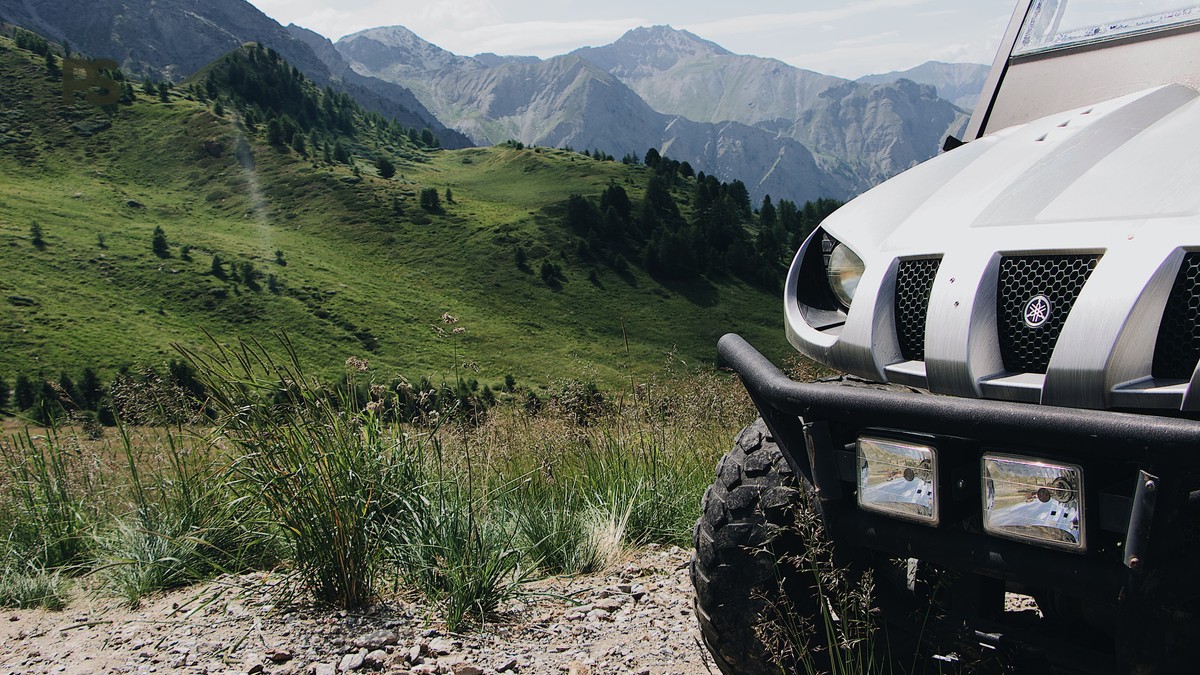
Group size changes everything. A shared safari vehicle holds six to seven guests. A photo vehicle holds four photographers maximum, often three. That extra space lets you move from side to side. You can switch windows without climbing over someone.
For serious wildlife photography, book a private vehicle. It costs more, but it guarantees your own window. You stay as long as you want at a sighting. You control the route.
The vehicle itself matters. Pop-up roof hatches give you a standing position at roof level. Open-sided vehicles allow ground-level shots in private conservancies. Only conservancies allow open vehicles. National parks require closed vehicles with hatches.
Off-road driving is banned in national parks. In private conservancies like Naboisho and Mara North, off-road is allowed with strict rules. That is a huge advantage. You can position for a cheetah kill or a lion pride without staying on the track.
Which Parks Are Best for Photography
Each park has a character. Match it to your goals.
| Park or Conservancy | Best For | Fees (non-resident) | Notes |
|---|---|---|---|
| Masai Mara National Reserve | Migration, big cats, wide-open plains | USD 100 Jan-Jun, USD 200 Jul-Dec | County-run reserve, busy in peak season |
| Mara North Conservancy | Low vehicle density, off-road, night drives | USD 80-150 per night (bundled) | Private, 4WD required |
| Naboisho Conservancy | Big cats, walking safaris, few vehicles | USD 80-150 per night (bundled) | Off-road allowed |
| Amboseli National Park | Elephants, Kilimanjaro views, all day light | USD 90 | Dusty in dry season, see our dry-season guide |
| Samburu National Reserve | Rare species, dry riverbeds, birds | Indicative USD 70-90 | Hot, northern landscape |
| Lake Nakuru National Park | Rhinos, flamingos, cliffs | USD 90 | Compact, good for a short stop |
| Solio Ranch (Laikipia) | Rhino photography, open grassland | Indicative USD 60-100 | Private, limited visitors |
For your first photography safari, combine the Mara with one other park. The Mara gives you action. Amboseli gives you landscape elephants and Mount Kilimanjaro. Add Samburu if you want a different habitat and species you will not see elsewhere.
Where to Stay for Golden Hour Access
Camp or lodge location matters more than the room. You want to wake up inside the action, not drive an hour to reach it.
In the Mara, stay within the reserve or just outside in a conservancy. Camps like Kicheche Mara Camp and Olare Motorogi Conservancy’s camps sit inside private areas. You start shooting at first light without paying the reserve gate entry twice. Staying outside the gate means you pay park fees each day you enter.
In Naboisho, camps like Naboisho Camp or Encounter Mara sit central to the action. The drive to a lion sighting is usually under 30 minutes. That time adds to your shooting time.
In Amboseli, choose a lodge near the Enkongo Narok swamp. Elephants congregate there year-round. The view of Kilimanjaro at dawn from the swamp edge is unbeatable. Amboseli Serena Safari Lodge and Tortilis Camp both position well.
Camera Gear and Lenses
You need a long lens. For most wildlife, a 400mm or 500mm prime is ideal. For birds and distant cats, 600mm helps. If you cannot afford a prime, use a 100-400mm zoom. It gives flexibility at the sacrifice of some sharpness.
Second body: bring one. Dust or a fall can kill a camera mid-action. A second body with a normal zoom saves the trip.
Lens recommendations:
- Wide zoom (16-35mm) for landscapes and the Mara sky.
- Standard zoom (24-105mm) for camp scenes and portraits.
- Telephoto zoom (100-400mm or 200-600mm) as the main workhorse.
- Prime telephoto (400mm f/2.8 or 500mm f/4) for action in low light.
Your luggage allowance matters. Kenya’s small planes have strict limits. Domestic carriers like Safarilink and Air Kenya allow 15 kg of checked luggage plus a 5 kg hand luggage. Camera gear counts within those limits. Many photographers pack a smaller padded bag inside a duffel. You carry the camera bag into the cabin, subject to the 5 kg rule. In practice, staff often allow a heavier camera bag if it fits under the seat. Confirm with your operator before you fly.
Light and Dust Conditions by Park
The golden hour is non-negotiable. Plan to be out from 6:00 to 9:30 and again from 16:00 to 18:30. Midday light in Kenya is harsh. The contrast blows out whites and makes shadows black. Use that time for editing, rest, or shooting at a waterhole where the angle works.
Amboseli dry season means dust. It hangs in the air at sunset and covers your gear. Use a UV filter as a cheap shield. Carry a rocket blower and a microfiber cloth. The dust gets into zoom barrels. Keep lens changes to a minimum, do them inside the vehicle with the windows up.
The Mara in July to October is also dusty. The wildebeest herds kick up red soil. The same filter and cleaning rules apply.
Rain in November brings dramatic skies but slippery tracks. The light is softer, which works for portraits and moody scenes.
Best Time of Year for a Photography Safari
The Great Migration reaches the Mara from late July to early November. For river crossings, aim for August to October. That is peak season with peak prices.
June and November offer a compromise. The migration is nearby, not always on the Kenyan side. You get fewer vehicles and greener landscapes. The light is still good.
For Amboseli, the dry months from June to October give the clearest skies for Kilimanjaro. The air is clearer after the long rains, from March to May. But roads can be muddy after rains.
For Samburu, avoid the hottest months of March and October if you dislike heat. The wildlife concentrates near the Ewaso Ng’iro River year-round.
The Plain Safaris Difference
The German market is full of agencies that bundle a German photographer into a package. They hide the camp names until you book. They add a premium for the brand.
Plain Safaris does the opposite. We publish our camps, our prices, and our guides. You book direct with us, no German agency markup. We match you with a German-speaking guide or a professional photo coach at honest rates. We tell you when a conservancy fee is worth it and when a public reserve is fine.
We also answer the practical logistics that others skip. The baggage limit on light aircraft. The dust protocol for your sensor. The exact gate to use in Naboisho. You plan a trip with a clear picture of cost and conditions, not a surprise invoice later.
Read more in our Kenya Safari FAQ for German-speaking travelers. For dust specifics, see Amboseli’s dry-season dust and light conditions. And understand the difference between parks, reserves, and private conservancies before you book.
FAQ
Was kostet eine Fotosafari in Kenia? For a ten-night private trip, expect USD 8,120 to 12,930 per person sharing. That includes park fees, camps, a private vehicle, and flights. German-speaking guides add USD 800 to 1,200.
Gibt es deutschsprachige Guides oder Fotografen für Safaris in Kenia? Yes. Many Kenyan driver-guides speak fluent German. For photo coaching, we can add a named professional photographer.
Welche Kamera-Ausrüstung und welches Teleobjektiv braucht man? A 100-400mm or 200-600mm lens works for most subjects. A 400mm f/2.8 prime is ideal for low light. Bring a second body.
Wann ist die beste Reisezeit? July to October for the Migration and peak action. June and November for lower prices and fewer crowds. Amboseli is clear from June to October.
Wie groß sind die Gruppen bei einer geführten Fotosafari? A private photo vehicle holds up to four photographers. For maximum freedom, book three or fewer.
Was ist der Unterschied zwischen einer normalen Safari und einer Fotosafari? A photo safari has earlier starts, later finishes, flexible schedules, and a vehicle set up for shooting. A normal safari follows a fixed routine.
Welcher Park eignet sich am besten: Masai Mara, Amboseli oder Samburu? The Mara for variety and action. Amboseli for elephants and mountain views. Samburu for rare species in a rugged landscape.
Ist eine Fotosafari auch für Anfänger geeignet? Yes. We pair beginners with guides who can explain settings and composition. You do not need professional gear to enjoy the trip.
Wie nah darf man an die Tiere heran, und ist Offroad erlaubt? In national parks, stay on roads, no off-road. In private conservancies, off-road is allowed with guide discretion. Vehicles must keep a safe distance, but you get closer in a conservancy.
Welches Gepäcklimit gilt für Kamera-Equipment auf Kleinflugzeugen? Safarilink and Air Kenya allow 15 kg checked plus 5 kg hand luggage. Camera bags often pass with a heavier real weight. Confirm with us before departure.
Wie geht man mit Staub und wechselndem Licht um? Use a UV filter, clean with a blower, and avoid lens changes in the wind. Shoot in the early morning and late afternoon. Protect gear inside a padded bag.
Braucht man ein spezielles Fotofahrzeug? A pop-up roof hatch is essential. An open-sided vehicle is a bonus in conservancies. A private vehicle guarantees your window.
Plan Your Photography Safari with Plain Safaris
You have the details. The prices, the camps, the light, the dust. Now you need a partner who books it all without a markup.
Plain Safaris plans private and small-group photography safaris for German-speaking travelers. Tell us your dates, your lens setup, and your level. We build an itinerary around the light and the animals you want.
Start the conversation today. Visit our Kenya photography safari package page or reach out through the contact page. We respond within 24 hours.