
First-time safari travelers usually hit the same wall. You start reading camp listings and every other one calls itself a “conservancy,” while the big-name parks like Amboseli and Tsavo get called something else entirely. Then a Maasai Mara camp shows up under “national reserve,” and the pricing looks nothing like the rest.
The kenya park reserve conservancy difference actually comes down to who owns the land and who gets to visit it. That single fact changes your entry fees, your daily schedule, and how many other vehicles you’ll see at a lion sighting. Here’s how it breaks down, with real numbers from the ground.
The Kenya Park Reserve Conservancy Difference: What the Three Designations Mean
| Designation | Managed By | Example | Non-Resident Fee (2026) | Who Can Visit |
|---|---|---|---|---|
| National Park | Kenya Wildlife Service (KWS) | Amboseli | $90/adult/day | Anyone, day visitors included |
| National Park | Kenya Wildlife Service (KWS) | Tsavo East / Tsavo West | $80/adult/day | Anyone, day visitors included |
| National Reserve | Narok County Government | Maasai Mara | $100/day (Jan-Jun), $200/day (Jul-Dec) | Anyone, day trippers and lodge guests |
| Conservancy | Private landowners and Maasai community trusts | Naboisho, Mara North | Roughly $80-150 per person per night, bundled into camp rates | Guests of a partner camp only |
Note that the Maasai Mara is not a KWS park. It’s a reserve run by Narok County, which is why its fee structure and rules differ from Amboseli or Tsavo even though tourists often lump them together.
National Parks: Government Land, Open Gates
Parks like Amboseli, Tsavo East, Tsavo West, Lake Nakuru, Chyulu Hills, and Nairobi National Park sit on land owned by the national government and run by KWS. Anyone can drive in and pay the gate fee, no camp booking required. That openness is also why parks fill up fast at popular sightings during peak months.
National Reserves: County Land, Same Public Access
Reserves work almost the same way as parks for access. The Maasai Mara National Reserve is owned and taxed by Narok County, not KWS. Any visitor can pay the daily fee and drive in, whether they’re staying at a lodge inside the reserve or just visiting for the day from a Nairobi tour group.
Conservancies: Private Land, Guests Only
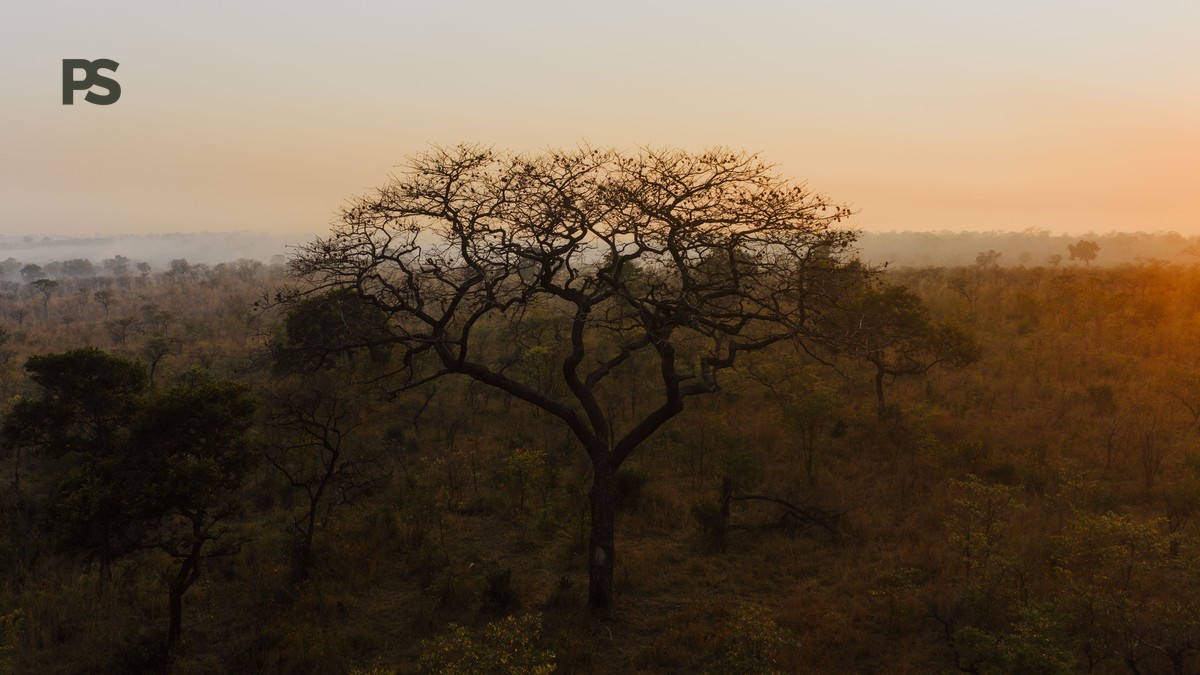
Conservancies flip that model. Naboisho, Mara North, Olare Motorogi, Lewa, and Loisaba sit on land leased from private ranch owners or Maasai and Samburu community members. You can’t just drive up and pay at a gate. Access is reserved for guests booked into a partner camp, which keeps vehicle numbers low by design.
Ol Pejeta in Laikipia works a bit differently since it also runs a public gate for day visitors, but most conservancies in the Mara and Samburu ecosystems are guest-only.
What You Can Actually Do There
This is where the gap really shows up. KWS parks and the Maasai Mara Reserve stick to daytime game drives on designated tracks. There’s no driving off-road, no night drives, and generally no walking outside fenced camps.
Conservancies allow far more. Most permit night drives with a spotlight, off-road driving to follow a hunt, and guided walking safaris with an armed ranger. Families traveling with kids should know that conservancies also allow children on night game drives, something most reserves and parks won’t permit at all. If you want to get out of the vehicle on foot, walking safaris permitted in conservancies are one of the biggest reasons repeat visitors upgrade.
Crowding: How Many Vehicles Show Up at a Sighting
In the Maasai Mara Reserve during peak migration months, it’s normal to see 15 to 20 vehicles circled around a single leopard sighting. Most conservancies cap it at 5, sometimes fewer. Naboisho and Mara North both enforce this through their member camps, radioing sightings only to vehicles registered within the conservancy.
Why Conservancies Cost More
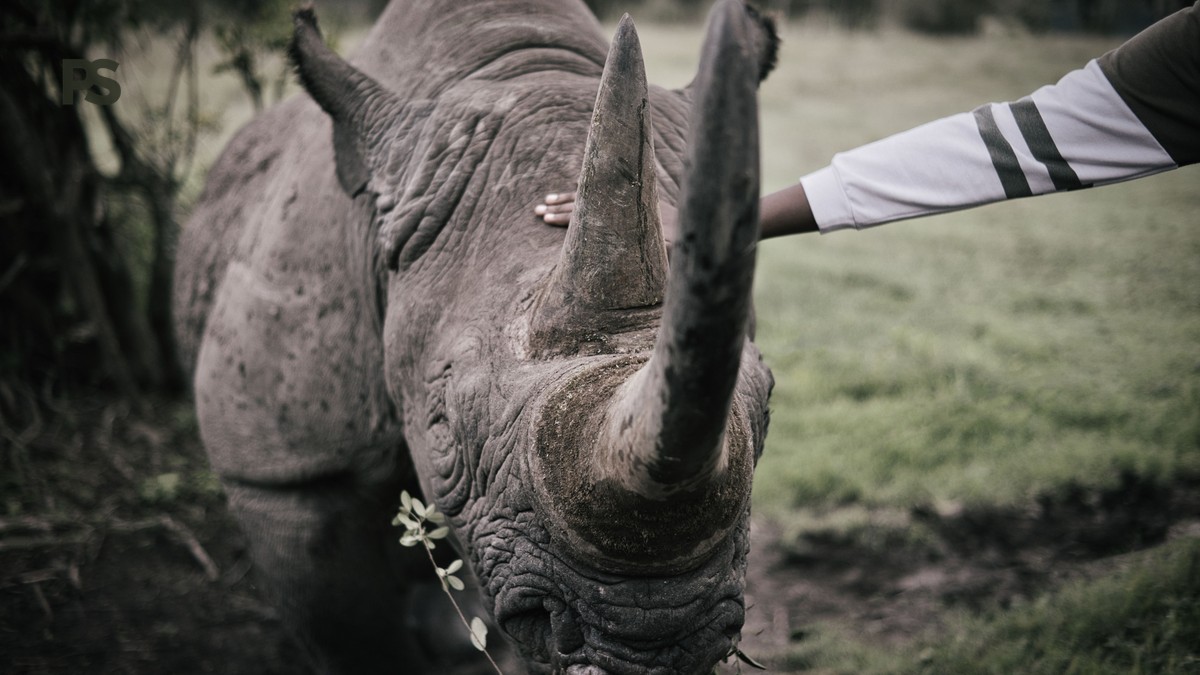
That premium pays for something specific: land-lease payments to the Maasai families and community trusts who own the ground under your tent. Naboisho alone distributes lease fees to over 500 Maasai landowners. Mara North does the same across its roughly 28,000 hectares. Guests aren’t just paying for fewer vehicles, they’re funding the reason that land stays wild instead of getting fenced for cattle or farming.
Grazing still happens on a rotational basis in most conservancies, agreed between the land trust and camp operators. So don’t be surprised to see cattle share a track with zebra some mornings.
Case Study: The Mara Ecosystem
Camps inside the Maasai Mara Reserve, like those near Talek Gate or Musiara Gate, are a short 20 to 40 minute drive from the reserve’s best-known river crossing points. Those points sit on the Mara River. Mara North and Olare Motorogi border the reserve right along that same Talek River corridor. That’s roughly a 30 to 45 minute drive from Musiara Gate, depending on the camp.
Flying in, most Mara camps use Ol Kiombo, Keekorok, or Musiara airstrips, all about 45 minutes from Nairobi’s Wilson Airport. By road it’s closer to 5 to 6 hours from Nairobi, covering around 270 km.
Case Study: Laikipia and Ol Pejeta
Ol Pejeta sits about 200 km and a 3-hour drive north of Nairobi, near Nanyuki. At roughly 90,000 acres, it’s run as a conservancy but keeps a public gate, so day visitors can pay in directly, unlike most Mara conservancies. It’s also one of the few places in Kenya where you can combine a game drive with a chimpanzee sanctuary visit and rhino tracking on foot.
When the Park or Reserve Is Actually the Smarter Choice
Conservancies aren’t automatically the better pick. If you’re chasing the wildebeest migration crossing the Mara River between July and October, you want to be inside the reserve itself. The river frontage sits there, not in the neighboring conservancies. Budget matters too. A Tsavo East camp can run half the nightly rate of a Mara conservancy tent. If lower cost and big open plains matter more to you than exclusivity, see how this plays out in our Tsavo East vs Tsavo West safari comparison.
Reserves also tend to have denser predator populations simply because they’re bigger and less fragmented, so if lion and cheetah sightings top your list, don’t rule out the Mara Reserve itself.
Which Fits Your Trip: A Quick Decision Guide
Families with young kids often do best in a conservancy, since flexible schedules and permitted night drives keep bored toddlers moving. Elderly parents usually prefer parks and reserves, where shorter drives to the gate and well-graded roads mean less bouncing around. Honeymooners tend to value the privacy a low vehicle cap gives them, which points toward a conservancy like Loisaba or Naboisho.
The Plain Safaris Difference
We build every Kenya itinerary around this exact distinction instead of treating it as fine print. That means we tell you upfront when a park day makes more sense than a conservancy night. We only recommend conservancy camps we’ve actually driven into ourselves. That way we know the gate, the drive time, and the vehicle count you’ll really see at a sighting. No itinerary goes out with a camp we haven’t verified in person.
Plan Your Trip
Still weighing a Mara Reserve camp against a Naboisho or Mara North stay? Talk to us and we’ll match the right mix of parks, reserves, and conservancies to your budget, your travel dates, and who’s coming with you. Get in touch through our contact page and we’ll start building your itinerary.