
Kenya has no wild chimpanzees. If you want to see one here, an Ol Pejeta chimpanzee sanctuary visit is the only option: Sweetwaters Chimpanzee Sanctuary, inside Ol Pejeta Conservancy in Laikipia. I have driven guests up there more times than I can count, and it still surprises people that a country with this much wildlife has zero native chimp populations.
Chimpanzees belong to the forests of West and Central Africa, places like Uganda, Tanzania, and the Democratic Republic of Congo. Kenya’s landscape, mostly savanna and dry bush, never supported them. So every chimp at Sweetwaters arrived here for a reason, and it is worth knowing that story before you go.
What Sweetwaters Actually Is
Sweetwaters sits on the northern edge of Ol Pejeta, about 200 km north of Nairobi near the town of Nanyuki. It is not a zoo and not a breeding facility. It is a rescue sanctuary, run in partnership with the Jane Goodall Institute since 1993, built for chimpanzees that cannot survive in the wild.
The sanctuary covers roughly 250 acres split into two large enclosures, each bordered by the Ewaso Nyiro River, which the chimps cannot swim across. That river boundary does most of the fencing work, so the chimps roam a genuinely wild-feeling patch of bush rather than a caged compound.
Where the Chimps Came From
Most of the current residents were rescued from Burundi during the civil war in the early 1990s, orphaned or confiscated from traders who kept them as pets or performers. Others came from Kenyan and Ugandan facilities that could no longer care for them. None were taken from the wild specifically for this sanctuary.
Because they arrived as traumatized orphans, staff spent years building two separate social groups, since chimps introduced too fast, or in the wrong combination, can turn violent. The groups still get subtle updates and rotations, but the core structure has held for decades.
Daily Life and Welfare Standards
Chimps at Sweetwaters live in social groups with a clear hierarchy, much like wild troops. Keepers feed them at set times, scatter food to encourage foraging behavior, and monitor health daily. The sanctuary does not breed its chimps deliberately, since there is no realistic release plan and space is finite.
This is one of the few captive settings in East Africa where welfare, not spectacle, drives the daily schedule. Visiting hours are built around the animals’ routine, not the other way round.
Ol Pejeta Chimpanzee Sanctuary Visit: Hours, Entry Fees, and the Behind-the-Scenes Add-on
Sweetwaters is included in the general Ol Pejeta Conservancy entry fee, so you are not paying a separate ticket just to see the chimps. As of recent seasons, indicative non-resident rates run around $90 per adult and $45 per child for a day inside the conservancy, plus a vehicle fee of roughly $30. These figures shift with park policy, so treat them as a planning range, not a quote.
The sanctuary itself is normally open from about 9:30am to 5pm, with keeper talks at set viewing points through the day. A paid behind-the-scenes experience, priced at roughly $70 per person, lets small groups meet a keeper, hear individual chimp histories, and get closer to the feeding routine than the standard boardwalk allows.
Budget 45 minutes to an hour and a half for a straightforward visit, longer if you add the behind-the-scenes option.
Can You Touch the Chimps?
No. Viewing happens from a raised boardwalk and viewing platforms, always with a barrier between you and the enclosure. This is deliberate. Chimps carry diseases that can pass to humans and back again, and adult chimps are strong enough to seriously hurt a person. Even the behind-the-scenes experience keeps a physical barrier in place.
Keepers will point out individual chimps by name and personality, which is often the part families remember best, far more than the distance itself.
Getting There: Day Trip or Overnight
From Nairobi, it is about 200 km to Ol Pejeta’s gate near Nanyuki, roughly 3.5 to 4 hours by road depending on traffic through Thika and Nyeri. A day trip is technically possible, but it means close to 7 hours of driving for under 2 hours with the chimps, which is a rough trade for young kids or older grandparents.
I generally steer families toward an overnight stay in Laikipia instead. It turns a rushed errand into an actual two-day break, with a proper game drive, a slower pace, and a night under real stars instead of a motorway service stop on the way home.
| Option | Distance/Drive from Nairobi | Time at Sanctuary | Approx. Cost (non-resident) | Best for |
|---|---|---|---|---|
| Sweetwaters day trip | ~200 km, 3.5-4 hrs each way | 1-2 hrs | $90 adult / $45 child + $30 vehicle fee | Fit adults, tight schedules |
| Sweetwaters + overnight Laikipia stay | ~200 km, 3.5-4 hrs | Half day, unhurried | $90-150 pp/night lodging + park fees | Families, multi-gen groups |
| Kibale Forest chimp tracking, Uganda | ~300 km from Entebbe, 5-6 hrs, or fly to Kasese | Half day trek, 1-3 hrs with chimps | $200 permit + $30-50 vehicle/guide | Wild tracking, fit hikers |
Pairing the Sanctuary With an Ol Pejeta Game Drive
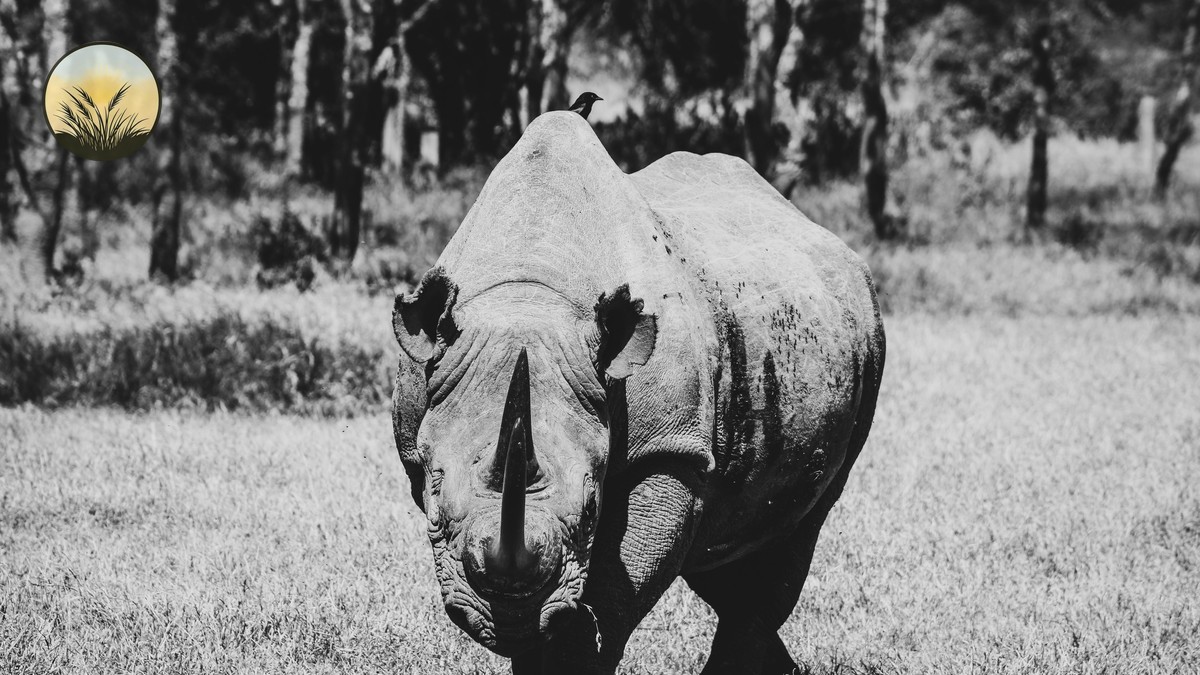
Ol Pejeta is not just chimps. It holds the largest black rhino sanctuary in East Africa, and it is home to the last two northern white rhinos on earth, both female, both under 24-hour guard. Add lions, elephants, and one of the highest leopard densities on private land in Kenya, and a single game drive here rivals anywhere in the Mara for density.
Most guests spend a morning on the chimps and behind-the-scenes talk, then head out for an afternoon or full second game drive around the rhino sanctuary and the plains further south. It works well as a two-night stop between Nairobi and Samburu or the Aberdares, which keeps the driving sensible rather than backtracking.
If your circuit is built around photography, this stretch of Laikipia rewards a good photographic safari vehicle with a low roofline and open sides, since much of the rhino tracking happens close to the vehicle.
Sweetwaters vs. Wild Chimp Tracking in Uganda
If seeing a chimpanzee up close and personal is the real goal, wild tracking in Uganda’s Kibale Forest or Kyambura Gorge is a different experience entirely. Permits run around $200 per person, treks last one to three hours in dense forest, and there is no boardwalk, just a guide, a group, and genuine wild behavior.
Sweetwaters cannot replicate that. What it offers instead is guaranteed sightings, flat and stroller-friendly paths, and zero trekking fitness required. For a family with a six-year-old and a grandparent in the same vehicle, that trade often makes more sense than a forest hike in Uganda.
Is It Suitable for Young Children?
Yes, and this is where Sweetwaters earns its keep on a multi-generational itinerary. The boardwalk is flat, shaded in parts, and short enough that toddlers do not tire out. Keeper talks are pitched at a level kids follow easily, and there is no risk of an unexpected close encounter, since the river and fencing do that work for you.
Combine it with a slower second day on a slow-paced birding safari around Ol Pejeta’s wetlands, and you get a circuit that never demands more than a short walk from anyone in the group.
Conservation, Adoption, and Supporting the Sanctuary
Entry fees fund both the chimp sanctuary and Ol Pejeta’s broader rhino protection work, since the conservancy runs as one non-profit operation. Visitors can also adopt an individual chimp for an annual donation, which funds enrichment and veterinary care and comes with regular updates on that chimp’s life.
It is a straightforward way to stay connected after the trip, and a nice thing to set up with kids before they fly home.
The Plain Safaris Difference
We do not send families up to Ol Pejeta on a rushed day trip just to tick a box. We build the drive time into the itinerary honestly, pair the sanctuary with a proper rhino-focused game drive, and pick lodges in Laikipia that actually take children rather than merely allowing them.
We have walked that boardwalk enough times to know which keeper talks run long, which viewpoints get crowded by midday, and how to time the visit so nobody in your group is wilting by 2pm. That is the difference between a stop on a map and a day everyone still talks about.
For the wider trip, we lean on multi-generational safari lodges near Ol Pejeta that keep grandparents comfortable and kids entertained without a single day feeling rushed.
Plan Your Visit
If an Ol Pejeta chimpanzee sanctuary visit is part of your Kenya plans, we can build the drive times, lodge nights, and game drives around your family’s actual pace, not a generic template. Get in touch through our contact page and we will put together a route that fits.