
You have already done the Mara. Maybe twice. Now you want the Kenya that does not show up on every group tour brochure, and two names keep coming up together: Mount Kenya and the Aberdares. They sit less than three hours apart, but they are not the same trip.
This is a real mount kenya vs aberdare comparison, not a paired overview. I have driven both roads more times than I can count, and the choice comes down to what you actually want to do with your days: climb and walk under clear highland sky, or sit still at a waterhole and let the wildlife come to you through mist.
Mount Kenya vs Aberdare Comparison at a Glance
| Mount Kenya National Park | Aberdare National Park | |
|---|---|---|
| Distance from Nairobi | About 175-200 km to Naro Moru or Nanyuki | About 155-170 km to the Kiganjo/Treetops gate |
| Drive time from Nairobi | 3 to 3.5 hours | 2.5 to 3 hours |
| Terrain | Extinct volcano, glacial peaks, moorland | Faulted volcanic range, dense forest, moorland plateau |
| Highest point | Point Lenana, 4,985 m (trekking summit); Batian, 5,199 m (technical climb) | Ol Donyo Satima, 3,999 m |
| Signature wildlife | Elephant, buffalo, mountain forest species, rare sightings at altitude | Bongo, black leopard, giant forest hog, black rhino |
| Days needed | 4 to 6 days for a Chogoria or Sirimon trek to Point Lenana | 2 to 3 days, mostly around one or two tree lodges |
| Fitness level | Moderate to high, altitude matters above 3,500 m | Low, most viewing is done from a vehicle or lodge deck |
| Park entrance fee (non-resident, indicative) | Roughly USD 55-75/adult/day, confirm current KWS rate before booking | Roughly USD 50-65/adult/day, confirm current KWS rate before booking |
| Typical nightly lodge cost | USD 250-600 depending on camp | USD 350-700, tree hotels bundle meals and game drives |
Those fee figures are indicative ranges, not fixed quotes. KWS rates change, so we confirm the exact number for your travel dates when we book.
Landscape and geology, volcano versus fault range
Mount Kenya is an extinct volcano, Africa’s second highest peak after Kilimanjaro. Its jagged summit was carved by glaciers, and you can still see remnant ice on Batian and Nelion. The lower slopes run through bamboo forest, then heath, then Afro-alpine moorland dotted with giant lobelia.
The Aberdares are a different kind of mountain. They are a faulted volcanic range running roughly 160 km along the eastern wall of the Rift Valley, not a single peak. The result is a plateau of rolling moorland above a thick forest belt, with the Ark and Treetops sitting inside that forest rather than climbing toward a summit.
Wildlife: what you will actually see
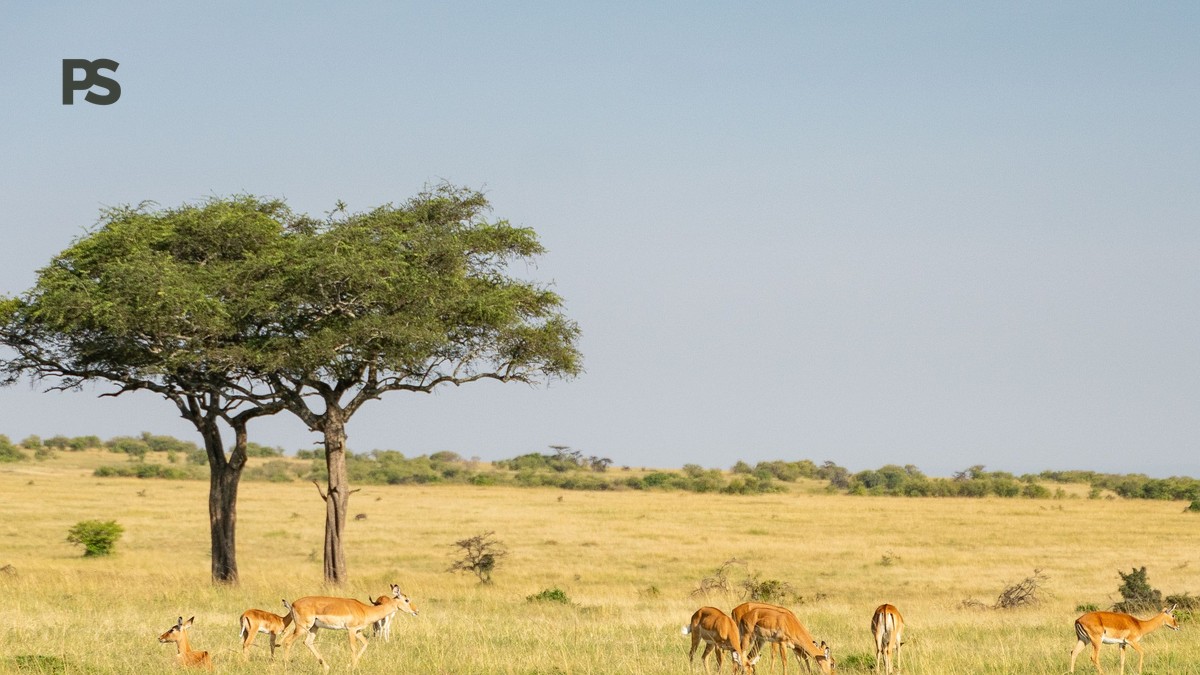
Mount Kenya’s forest holds elephant, buffalo, and the occasional leopard, but dense cover and cool temperatures mean animal sightings are a bonus, not the main event. Most visitors come for the mountain itself.
The Aberdares flip that priority. This is one of the few places left in Kenya for spotting the rare bongo antelope in the Aberdares, a striped forest antelope that has vanished from most of its former range. Black leopard sightings from the wider Aberdare-Laikipia highlands have made international news in recent years, and giant forest hog turn up regularly at night. Black rhino also move through the park, though the salt-lick waterholes below The Ark and Treetops are where most guests actually see them, floodlit after dark.
If rhino are the priority, the stronger bet sits just outside both parks. Ol Pejeta Conservancy near Nanyuki and Solio Ranch between Nyeri and Nyahururu run dedicated rhino tracking, with far higher sighting odds than either park interior. For a full plan, look at rhino tracking in the Laikipia conservancies near Mount Kenya before you decide where to spend your rhino day.
Activities: trek and climb, or sit and wait
Mount Kenya is built for people who want to move. Guided treks run from Naro Moru, Sirimon, or Chogoria gate, usually 4 to 6 days round trip to Point Lenana at 4,985 m. No technical climbing gear is needed for Lenana, just fitness and a slow ascent schedule to manage altitude. A KWS permit and a licensed guide are mandatory for every route, arranged through your outfitter before you arrive.
Aberdare activities are quieter. Game drives on the moorland plateau in daylight, then a transfer down to a tree lodge for the evening and night vigil. Walking safaris are limited and only permitted with an armed ranger in specific zones, since buffalo and elephant density in the forest is high. This is not a park where you walk freely.
Where to stay: named lodges and what each is good for
Near Mount Kenya: Borana Conservancy, on the northern slopes bordering Lewa, mixes rhino tracking, horseback riding, and mountain views from around USD 550-750 per person per night full board. Mount Kenya Safari Club in Nanyuki is the classic colonial-era base, more resort than bush camp, useful if you want comfort between trekking days. Sweetwaters Serena, inside Ol Pejeta, puts you closest to daily rhino and chimpanzee sanctuary visits.
In the Aberdares: The Ark and Treetops are the two names everyone asks about. The Ark sits deeper in the forest with a longer approach walk and a wider salt lick, generally rated the stronger game-viewing option by guides who run both routes. Treetops is the older, more historic property, famous as the place a young Princess Elizabeth learned of her father’s death in 1952, but its waterhole draws fewer animals on an average night. Aberdare Country Club, the day-use base for Ark transfers, adds a golf course and gardens if you want daylight downtime.
Best time to visit and the mist factor
Mount Kenya trekking is best from January to March and June to October, the two dry windows when Lenana’s summit views are clearest and trail conditions are safest. The long rains, March to May, and short rains in November turn the upper trails to mud and cut visibility to zero.
The Aberdares run wet almost year-round because of the altitude, and mist rolls in most afternoons regardless of season. That mist is part of the honest trade-off here. Aberdare wildlife viewing is genuinely a mist-and-luck gamble, not a guaranteed show, even on a clear-forecast day. Dry season, June to September and January to February, gives you better odds, but no lodge can promise a rhino at the waterhole on any given night.
Getting there from Nairobi
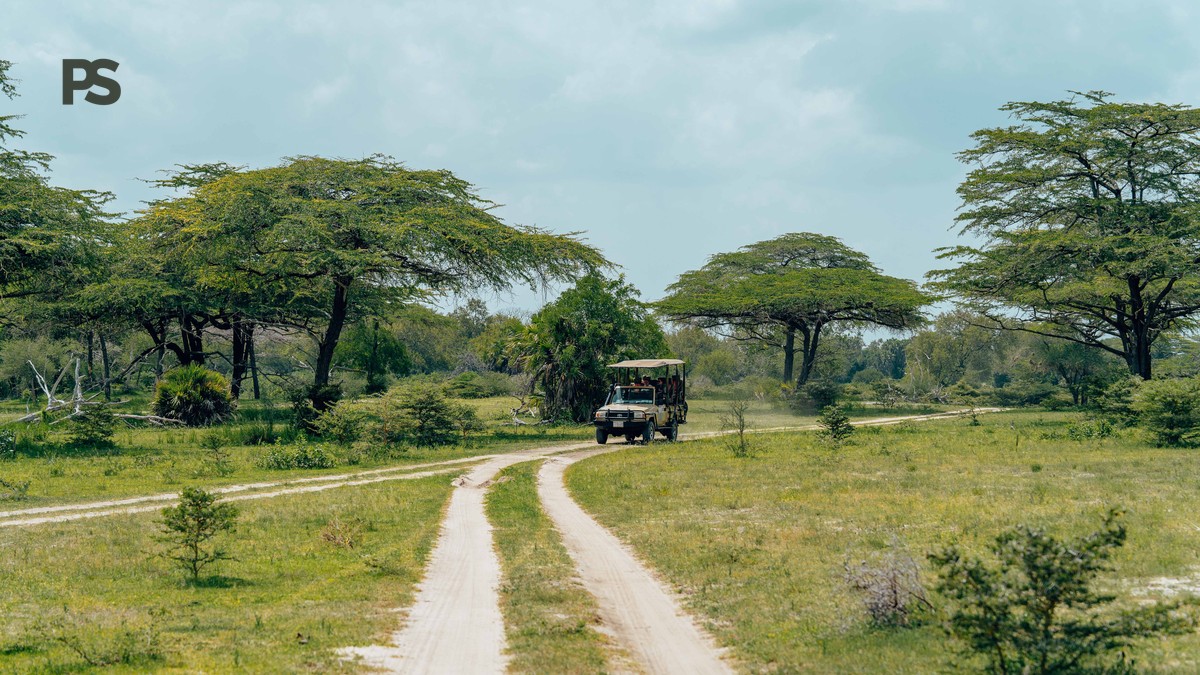
Both are drivable in a half day. Mount Kenya lodges cluster around Nanyuki and Naro Moru, reached via Thika and Karatina on a paved road, about 3 to 3.5 hours by car. The Aberdare gate near Treetops and The Ark is reached via Nyeri, roughly 2.5 to 3 hours, also fully paved. There is no scheduled flight service directly into either park, so most repeat visitors combine one of these with a fly-in leg to Samburu or Laikipia afterward rather than flying in from Nairobi first.
Cost comparison at a glance
A 3-night Aberdare add-on, one night at an Ark-style tree lodge plus two nights at a Laikipia or Nanyuki base camp, typically runs USD 1,200-2,000 per person all-in, drives and park fees included. A 5-day Mount Kenya trek to Point Lenana, guide, porter, park fees, and camping or hut fees included, runs USD 1,400-2,200 per person depending on route and group size. Neither is a budget add-on, but both cost less than a comparable stretch of Mara nights in high season.
Which one should you choose
If you want a physical challenge, clear mountain air, and a summit photo, pick Mount Kenya. If you want to sit still after dark and watch bongo, black leopard, or rhino come to water, pick the Aberdares. If your group has mixed fitness levels or young kids, the Aberdares are the easier fit, since nobody needs to hike above 3,000 m to see the highlights.
Repeat visitors chasing something beyond the standard circuit often pair either one with Laikipia’s private conservancies, or head further north. If Samburu or Meru is also on your shortlist, our Samburu vs Meru comparison breaks down that decision the same way.
Combining both in one Kenya itinerary
You do not have to choose only one. A common circuit runs Nairobi to Aberdare for two nights, then Nanyuki or Ol Pejeta for two more, with a short Mount Kenya foothills walk instead of a full summit trek. That keeps the trip to 5 or 6 days total and avoids the altitude commitment of Point Lenana while still covering both landscapes.
The Plain Safaris Difference
We do not sell Mount Kenya and the Aberdares as an interchangeable pair. We ask what your last trip covered, what your fitness and time budget actually allow, and which one answers a question the Mara circuit left open. That means real drive times, real fee ranges, and a straight answer when a mist-bound waterhole is not worth three nights of your itinerary.
Plan your highland safari
Ready to decide between Mount Kenya and the Aberdares, or combine both into one circuit? Get in touch with Plain Safaris and we will build an itinerary around your fitness level, your dates, and what you have already seen in Kenya.