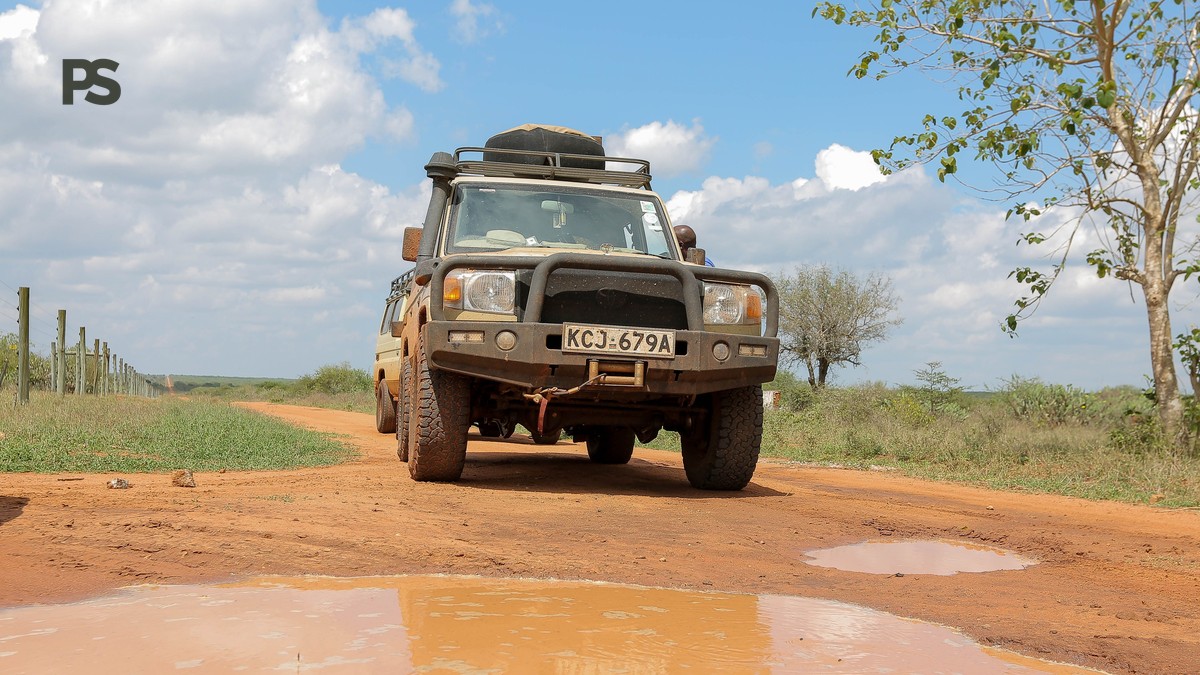
First, a quick name check. Meru National Park is the Kenyan park near Meru town. Mount Meru is a different place in Tanzania. If you are asking about wildlife safaris, you want Kenya’s Meru, the park made famous by Born Free. The short answer to how many days in Meru National Park you need is three days and two nights.
How Many Days in Meru National Park Do You Need?
Plan three days and two nights for a worthwhile first visit. That gives you travel time from Nairobi, one full day of game viewing, and extra morning or afternoon drives. Choose four days and three nights for a slower pace, more birding, a walking activity, or stronger flexibility for wildlife sightings.
Meru is roughly 870 square kilometres of grassland, bush, and palm-edged rivers. It is not as large as Tsavo East, but the game-drive loops still take time. Two nights works because you end up with one clean full day in the park. A one-night stay rarely feels satisfying when the drive is long.
| Safari length | Nights | Full game days | Where it makes sense |
|---|---|---|---|
| Two days by road | 1 | 0 | Rarely worth the long drive |
| Two days by air | 1 | 0 | Possible if plans are very tight |
| Three days by road | 2 | 1 | Best minimum for a first visit |
| Four days by road | 3 | 2 | Best for walking, birding, or slow mornings |
Every road version shares the same fact. Meru National Park is about 348 kilometres from Nairobi. The drive normally takes five to seven hours each way, depending on traffic, roadworks, and which gate your camp uses.
Is three days enough for Meru National Park?
Yes, three days is enough for a focused Meru safari, especially when travelling by road from Nairobi. A typical 3-day Meru National Park safari from Nairobi has a clear rhythm. Day one brings arrival and an evening drive, day two is a full day of game viewing, and day three ends with a final morning drive before departure. It is efficient rather than leisurely.
Here is a simple Meru National Park itinerary for those three days:
- Day 1: Leave Nairobi after breakfast. The direct road route passes through Thika, Embu, and Meru town. Arrive at your camp in time for a late-afternoon drive.
- Day 2: Wake before first light and head toward the Rojewero River. Rest at camp during the hottest hours, then go out again until sunset.
- Day 3: Take one last early drive, return for breakfast, and start the journey back to Nairobi.
Most 3-day packages include road transport, two nights at a camp, meals, and scheduled game drives. Confirm whether park fees, drinks, and optional activities are included before you book.
The day structure also assumes a comfortable vehicle. Before comparing group prices, read the Kenya shared safari vehicle rules guide. It explains why passenger numbers matter on long safari routes. Plain Safaris runs small-group safaris, so you are not spending travel time squeezed into a full van.
When is four days better than three days?
Four days is better when the road journey would feel rushed, or when you want two full game-viewing days. It also helps when walking, birding, and slower river circuits matter as much as big-game sightings. The extra night gives flexibility if weather, road conditions, or animal movements disrupt one drive.
Day four changes the pace. You can repeat a quiet river loop from the day before. You can spend a morning on Meru National Park bird watching along the Rojewero instead of taking quick glances from a moving car. If your camp offers a guided walk, the extra day makes it possible.
Where you stay matters too. Elsa’s Kopje, Rhino River Camp, and Ikweta Safari Camp are names that come up on many Meru route plans. Ask your Meru National Park safari lodge how it would use an extra morning before paying for one.
How far is Meru National Park from Nairobi?
By road, Meru National Park is roughly 348 kilometres from Nairobi. The journey takes much of the first day depending on traffic, stops, and the gate or camp you use. That travel time is why three days is the practical minimum by road. Flying can make a shorter stay more comfortable.
Most driving routes pass through Thika, Embu, and Meru town. If you leave Nairobi by early morning, you can still be in the park by mid-afternoon. If you leave after lunch, you will probably miss your first game drive.
Flying changes the picture. Mulika Airstrip is inside the park and turns a long travel day into a much shorter hop from Nairobi. Schedules and prices change, so check current options before choosing a two-day plan. A two-day road safari from Nairobi is too rushed. A two-day fly-in can work, but it leaves little room for unexpected changes.
Meru also suits repeat travellers who have already seen the Mara and want fewer vehicles. If Kenya is completely new to you, read what to expect on a first Kenya safari before you commit to a long road route.
Plan the version that fits you
By now, the answer should feel clear. Three days and two nights is the practical default. Four days gives you the quieter, more flexible version with two full wildlife days.
If you want a route that already handles the distances and lodge choices, start with our 3-day Meru National Park quiet safari plan. Then use the Plain Safaris contact page to ask about the four-day version, an extra walking morning, or a flight instead of a road transfer. Keep at least one empty morning on your Meru plan. That is usually the one that reminds you why you left the crowded circuit behind.