
July and August grab all the hype. But if your travel dates fall in the rainy season, a Lake Nakuru rainy season safari can be the better fit. Green scenery, fewer vehicles, water birds and lower lodge rates make the wet months genuinely attractive. Plain Safaris runs small-group safaris that make rainy season logistics easier to manage. This guide compares the long rains and the short rains so you can decide with clear facts.
When is the rainy season at Lake Nakuru?
Lake Nakuru’s main rainy season runs from March or April through May. April and May are usually the wettest months. Shorter rains generally arrive in November and December. Rain often falls in afternoon bursts rather than continuously, so morning game drives can still be productive. Weather varies by year and can change quickly in the Rift Valley.
Lake Nakuru weather in a wet month is not one constant downpour. A common pattern is clear morning light, cloud building by midday, then rain around the lakeshore. Try to keep your schedule loose. If you wait out a heavy shower, you are often rewarded with fresh light and steam rising off the grass.
Is Lake Nakuru worth visiting during the rainy season?
Yes, Lake Nakuru is worth visiting during the rainy season if you value green scenery, fewer visitors, strong birding, dramatic photography, and potential lower accommodation rates. The trade-off is softer roads and less predictable wildlife visibility. Thick vegetation and abundant water can spread animals across the park.
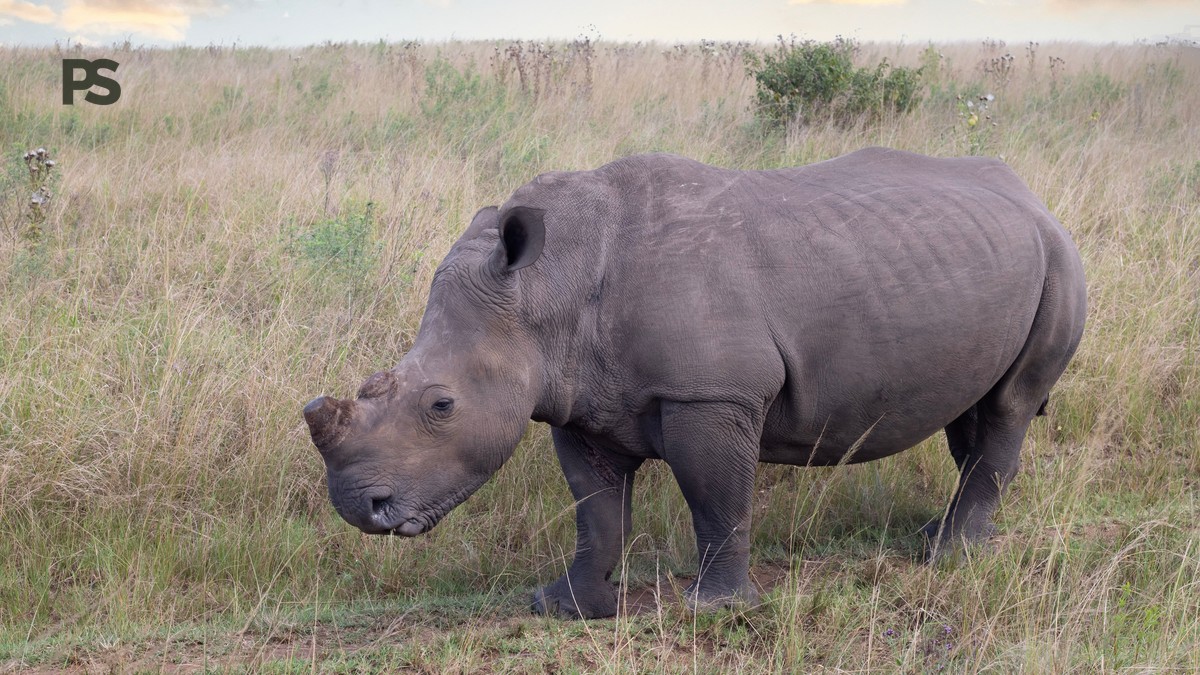
The drive from Nairobi to Lake Nakuru takes about 2.5 to 3 hours by road. Spend a full day when you arrive instead of trying to fit everything into one afternoon. At the viewpoint above the lake, you can look out over flooded fever trees and green valleys. White rhinos often graze below, even when the grass is lush.
What wildlife will I see at Lake Nakuru during the rainy season?
Rainy-season Lake Nakuru safaris are especially rewarding for birdwatchers and photographers. Migratory birds, fresh vegetation, flowers and newborn animals can add interest to game drives. Rhinos and other resident wildlife remain in the fenced park, but animals may disperse when water is available. Longer grass can make sightings less immediate than in drier months.
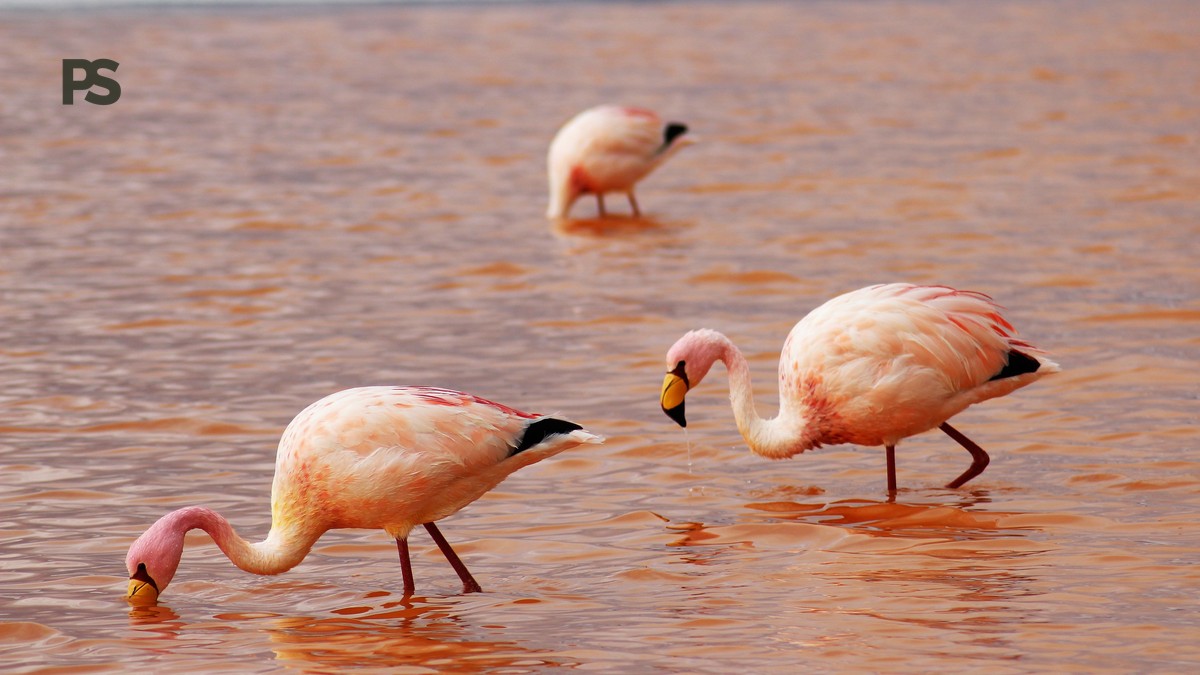
More than 400 bird species have been recorded in and around Lake Nakuru. Great white pelicans gather in the shallows, and African fish eagles call from the shoreline trees. If flamingos are your main goal, read our guide to which Kenyan lake is best for flamingos before you book. Flamingo numbers vary with lake levels, and Lake Nakuru does not always have large flocks.
Are roads in Lake Nakuru passable during the rainy season?
Rain does not usually cancel a Lake Nakuru safari. Heavy showers can make some tracks muddy and increase driving times, especially in April and May. Build flexible game-drive windows into the itinerary, use a capable safari vehicle, and prioritize experienced local drivers who can adapt routes when tracks become difficult.
The main road from Nairobi to Nakuru town is tarmac. Once you pass the park gates, though, some track surfaces are black cotton soil. That soil turns slippery after rain. A patient driver with recovery gear makes all the difference. After a storm, good guides switch from the lowest lakeside loops to higher forest edges where the ground drains faster.
What should you pack for a Lake Nakuru rainy season safari?
Pack a waterproof jacket, warm layers for cool mornings and evenings, quick-drying trousers, waterproof shoes, a dry bag, binoculars, insect repellent and camera protection. Temperatures are mild by day but can fall at night. Muddy tracks and sudden showers make waterproof footwear and spare dry clothing especially useful.
Traveling with children? Keep game drives to two or three hours, bring quiet activities for rainy downtime, and check our Lake Nakuru safari tips for families for age-specific advice.
What does a Lake Nakuru rainy season safari cost?
The rainy season can offer better availability, fewer visitors and lower accommodation rates than the busy dry-season months. Discounts vary by camp and date. Compare the full package price rather than assuming every lodge is cheaper. Choose accommodation with covered dining, warm bedding, reliable vehicle access and a flexible cancellation policy.
The park entrance itself is fixed. Lake Nakuru National Park is managed by Kenya Wildlife Service, and the non-resident fee is USD 90 per adult per day. This rate has stayed the same through recent Kenya Wildlife Service fee reviews. Plain Safaris shows these fees before you book, so you know exactly what is included.
| Cost item for a two-night safari | Per adult, sharing basis |
|---|---|
| Lake Nakuru National Park entry, 2 days | USD 180 (USD 90 per day) |
| Full-board lodge near the park | USD 300 to 600 for 2 nights (indicative low-season range) |
| Shared 4×4 with driver-guide | USD 200 to 350 for 2 days (indicative share cost) |
| Typical planning total | USD 680 to 1,130, excluding flights, airport nights and tips |
Named lodges matter more in the rain than in the dry season. Sarova Lion Hill Game Lodge sits above the lake with good all-weather road access. Lake Nakuru Sopa Lodge lies on a ridge outside the eastern park boundary. Full board saves you from driving out for meals between showers.
For longer routes that include Naivasha and Elementaita, compare our Rift Valley Lakes safari cost breakdown.
Long rains or short rains: Which window should you book?
The two wet windows are not equal. The long rains create the deepest green scenery, but the short rains often make wildlife easier to spot. The best time to visit Lake Nakuru depends on your tolerance for mud and your budget.
| Factor | April-May long rains | November-December short rains |
|---|---|---|
| Rainfall | Heavy afternoon storms, occasional all-day rain | Lighter showers with drier spells between storms |
| Roads | Muddiest tracks; drive times stretch the most | Roads recover faster after showers |
| Grass cover | Tall and dense; animals scatter into thick cover | Still green, but grass is shorter than May |
| Birds | Migrants present and bird activity high | Resident birds plus some early migrants |
| Crowds and rates | Low season, quietest outside Easter holidays | Quiet in November; December holidays bring more visitors |
| Entry fee | USD 90 per adult per day | USD 90 per adult per day |
The November-December window usually suits first-time travelers who want easier driving. The April-May long rains suit people who accept mud in exchange for lush views, fewer vehicles and quieter lodges. Either choice is better than skipping the safari season entirely.
The Plain Safaris Difference
Rainy season planning is where a clear operator earns its fee. Plain Safaris designs Lake Nakuru itineraries around realistic drive times and current park fees. Our small-group safaris keep at least one flexible morning or afternoon in the plan, so you are never trapped by a rigid schedule.
I have sat through a wet afternoon in the park and then watched the lake clear as the storm moved east. That quiet hour made the trip. When a shower does pass, the green slopes and fresh air feel like a different Kenya. Plain Safaris builds that kind of space into every trip.
The verdict: is a rainy season safari right for you?
Weigh the trade-off honestly. If you want the greenest scenery, the strongest birding and the lowest crowds, book the long rains and accept muddier tracks. If you want easier driving with most of the same green backdrop, the short rains are the safer call. Either window beats an overcrowded dry-season itinerary if flexibility and patience are part of your travel style.
Ready to turn the rainy season into your advantage? Tell us which month you are thinking about, and we will shape a relaxed Lake Nakuru plan around your dates and budget. Start planning your Lake Nakuru rainy season safari with Plain Safaris on our contact page.