
If your Kenya plan includes a serious birding morning, Lake Nakuru National Park deserves more than a quick stop. The park sits about 155 km from Nairobi, on the edge of the Rift Valley. Most private vehicles make the drive in roughly 3 hours. Non-resident entry costs USD 90 per adult per day under the current Kenya Wildlife Service rate that took effect in October 2025. This Lake Nakuru birding itinerary compares the practical one-day, two-day, and three-day routes, so you can decide how much of your time to give this lake.
How many days do you need for a Lake Nakuru birding itinerary?
One long day works for a first visit from Nairobi, but two days produce a better birding experience because you can cover the lakeshore, acacia woodland, southern plains, and viewpoints during cooler morning hours. Choose three days only when combining Nakuru with Naivasha or Elementaita rather than spending every day inside Nakuru.
The reason is a mix of distance and bird behavior. Bird activity peaks from first light until about 10 a.m., and many species turn quiet between midday and 4 p.m. A one-day trip gives you one morning window and one late afternoon window, with the drive between them. A two-day trip gives you that same productive schedule twice, plus a second chance to find a bird you missed the first morning.
How do the one-day, two-day, and three-day options compare?
A one-day trip covers about 5 hours of birding time for one park entry fee. A two-day trip roughly doubles that to 8 to 10 hours across two entries and gives you a calmer pace. A three-day trip keeps the same Nakuru birding time but adds a Naivasha wetland morning for extra species, at the cost of a second destination fee. Driving times below assume a 5:30 a.m. departure from Nairobi city center and a private vehicle with no long traffic stops. Treat them as route-planning numbers, not guarantees. Park entry assumes the current KWS non-resident rate.
| Itinerary length | Drive from Nairobi to the gate | Productive birding time | Park entry fee | Best for |
|---|---|---|---|---|
| One day | About 3 hours each way | About 5 hours | USD 90 per adult | A tight schedule when Nakuru is your only stop |
| Two days | Same drive once each way | About 8 to 10 hours over two days | USD 180 per adult for two entries | Most birders who want a calm trip |
| Three days with Naivasha | About 3 hours to Nakuru; about 1 hour between Nakuru and Naivasha | About 8 to 10 hours at Nakuru plus a Naivasha morning | USD 90 to 180 for Nakuru days, plus a Naivasha boat fee around USD 25 to 40 per person | Birders chasing extra wetland species in the Rift Valley |
The day-trip math is simple: you pay the same USD 90 entry fee but see the park for a shorter window. If you stay overnight outside the park, you pay park entry again the next day. If you stay inside the park, you still pay the USD 90 daily conservation fee for each day you are inside. Budget for that before you book.
What does a Lake Nakuru birding itinerary look like by day?
Use day one for the Nairobi transfer, lakeshore circuit, and afternoon woodland birding; day two for a pre-sunrise drive through the southern plains, Makalia area, and viewpoints; and day three only for missed targets or onward travel to Naivasha or Elementaita. This sequence balances peak bird activity with realistic driving time.
Here is how that breaks down in practice.
One-day version from Nairobi: Leave Nairobi between 5:30 and 6 a.m. Reach the park gate around 9 a.m. Drive straight to the southern lake shore and stay there until 11 a.m. Eat a packed lunch near Baboon Cliff. Spend 3 to 5 p.m. in the acacia woodland closest to the gate. Exit the park by 6 p.m. and plan to be back in Nairobi by 9 p.m. It is a long day, but it gives you the two best activity windows.
Two-day overnight version: On day one, arrive in time for the late morning lakeshore circuit, then work the woodland from about 3 p.m. On day two, enter the park well before sunrise and head for the Makalia River area and the southern plains. Work slowly through the same habitats from a different starting point. This second morning is what most birders remember best, because you already know where the birds are active.
Three-day Nakuru plus Naivasha version: Spend the first one or two days inside Nakuru, then drive about one hour to Lake Naivasha. The second lake adds fish eagles, kingfishers, cormorants, and a different wetland shoreline. For a full list of launch points and target species, see our Lake Naivasha birding boat guide. If your real goal is a bigger flamingo spectacle, consider the 2-day Rift Valley Lakes flamingo route that links Nakuru with Bogoria instead of adding Naivasha.
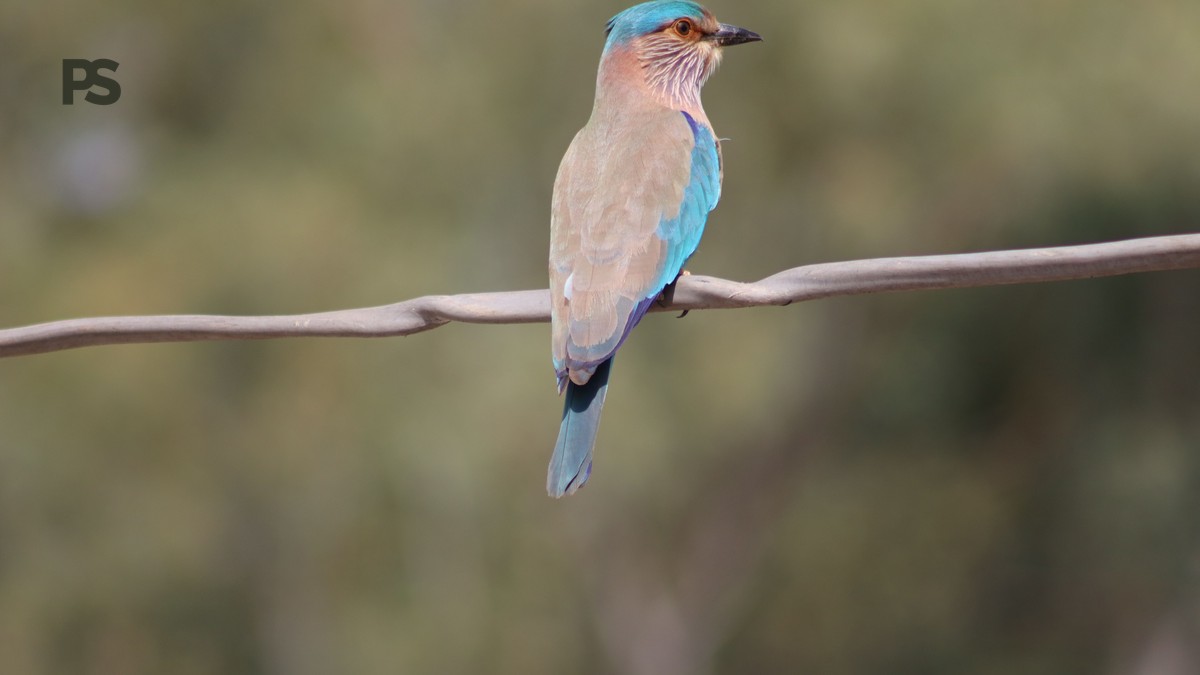
Which Lake Nakuru birding spots deserve your best birding hours?
Prioritize the southern lake shore and Makalia River delta for flamingos, pelicans, waders, and ducks; the acacia woodland for hoopoes, turacos, barbets, and woodpeckers; and Baboon Cliff or Lion Hill for raptors and panoramic scanning. Check current access conditions because water levels and bird concentrations can shift between seasons.
On the southern shore, you are scanning a broad soda shallows where flamingos and pelicans gather when water conditions suit them. The Makalia River delta adds freshwater influence, so waders and ducks often feed along its edge. The acacia woodland near the main park entry road holds the classic dry-country birds: African hoopoes, hornbills, barbets, and woodpeckers working the trunks. From Baboon Cliff, you can sit above the lake and scan for raptors circling the shoreline. The exact Lake Nakuru bird species list changes with water level, so a local guide who knows the current concentrations will always get you a longer list than a fixed route.
Where should you stay for Lake Nakuru bird watching?
Stay inside or near the park when birding is the priority, because an early start saves driving time and places you near the first productive habitats. Confirm park entry rules, vehicle fees, guide rates, meal arrangements, and road conditions before departure. A packed lunch is practical for a full lakeshore circuit.
Inside the park, Lake Nakuru Lodge sits near the southern shore and Sarova Lion Hill Game Lodge has a high viewpoint close to Baboon Cliff. Nakuru town is about a 15 to 20 minute drive from the main gate, which is fine for an overnight stay but adds time to your pre-sunrise start. Mid-range full-board rates in this area run from about USD 150 to USD 300 per person per night, depending on season. Treat that as an indicative budget range and ask for exact prices when you book.
When is the best time of year for Lake Nakuru bird watching?
November through April is generally strongest for migrant diversity, breeding activity, and abundant food, while June through September offers dependable resident birds and clearer sightings in open habitats. Visit early each day regardless of season: cooler temperatures and softer light improve activity before birds retreat into shade during the afternoon.
If you are coming mainly for flamingos, be flexible about your dates. Lake levels and food conditions move flamingos between Nakuru, Bogoria, and Elementaita. Our Lake Bogoria versus Lake Nakuru comparison explains the trade-off in a dry season when one lake starts carrying more birds than the other.
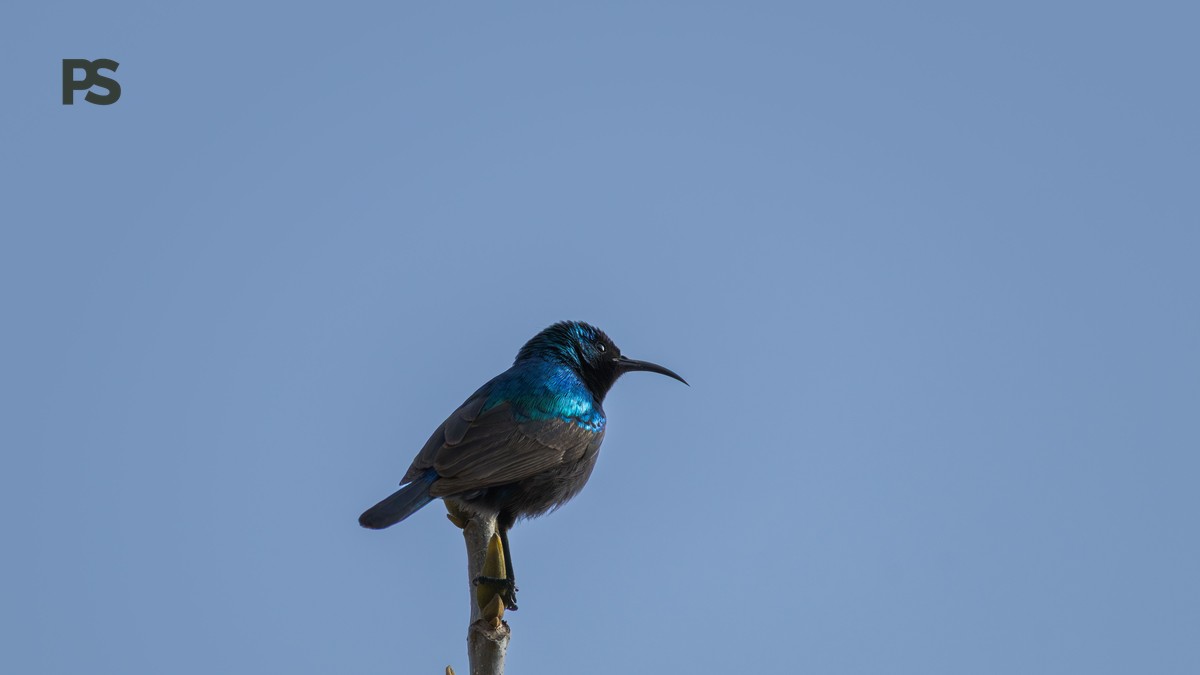
The Plain Safaris Difference
Plain Safaris plans Lake Nakuru birding itineraries around bird activity, not lodge check-in times. Our small-group safaris keep the pace slow, stop for a perched hoopoe, and use local guides who track current water levels. Small-group safaris work better in this park than big vehicles because the best pullouts along the lakeshore are narrow and dusty. At Plain Safaris, you get repeat looks at hard-to-find birds rather than a rushed checklist of famous mammals.
The practical benefit is simple. On a plain safari game drive, you may move every 20 minutes to find the next cat. On a Plain Safaris birding route, the guide stays in a productive patch until the birds stop calling. That is the difference that builds a good species list.
Which Lake Nakuru birding itinerary should you book?
Here is the verdict: if you only have one free day and you are leaving Nairobi soon, book the one-day plan and start before 6 a.m. It is better than missing the park. For most birders, though, the two-day Lake Nakuru birding itinerary is the better choice. The second morning gives you more time in the Makalia delta, a second pass through the acacia woodland, and a calmer pace around the lakeshore. Choose the three-day version only when you want the added wetland variety of Naivasha.
When you book with Plain Safaris, tell us which route fits your schedule. Both the two-day Nakuru route and the three-day Naivasha extension run as small-group safaris, with room to move around the vehicle and a guide who birds by habit, not by checklist. That Lake Nakuru plan is ready whenever you are. Start planning on our contact page and let us handle the timing.