
Lake Naivasha looks peaceful. At sunrise, the water is flat, storks stand at the shoreline, and giraffes drift between the yellow fever trees. That quiet scene is why first-time visitors ask about Lake Naivasha walking safari safety. The main risk here does not announce itself. It is usually a hippo that looks like a grey boulder, and it can move faster than you expect.
Short answer: yes, a guided Lake Naivasha walking safari can be safe when you follow an established route with a qualified guide. Crescent Island is the lower-risk choice because lions and hyenas are not resident there. The open lakeshore is a different situation. Hippos, boat landings, and unlit paths demand strict rules.
These seven rules come from guides who work the lake every day. They are not meant to frighten you. They help you slow down and notice what is around you.
1. Start with a Crescent Island Walking Safari
A Crescent Island walking safari is the closest Lake Naivasha has to a beginner-friendly wildlife walk. The sanctuary has no resident lions or hyenas, so the feeling is more like a calm reserve than a predator-driven park.
You can still see giraffes, zebras, wildebeest, waterbuck, and buffalo. Buffalo deserve real respect. They are large, quick, and can be unpredictable when they feel crowded. The guide keeps a sensible distance and tells the group when to stop or move back.
Crescent Island is the strongest choice if you are traveling with children. The ground routes are manageable, the walk can run at a slow pace, and the guide can answer questions without the pressure of a game drive. Most visits run about two hours. Check in advance whether the entry fee is bundled into your lodge rate or boat transfer, because some bookings include it and some do not.
2. Treat Lake Naivasha Hippos as the Real Risk
Lake Naivasha hippos cause more close calls than any other animal on the lake. Never approach a hippo. Never stand between one and the water. Never walk toward a hippo that is partially submerged.
There is no universal safe distance because the terrain, grass height, wind, and the animal’s mood all change the risk. The guide reads those details constantly. If they raise a hand, stop where you are. Do not move sideways. Do not reach for a camera. Wait for the instruction.
Most close calls happen at the waterline, not on a trail. A hippo resting in the shallows may look relaxed, but it treats anything between itself and deep water as a threat.
3. End Every Walk Before Dusk
Hippos leave the lake after dark to graze. They use open ground near lodges, camps, lawns, paths, and even roads. Some Naivasha properties have no full fence, so evening movement needs planning.
Avoid walking alone around the lakeshore after sunset. If you need to move between your room and the dining area, ask the lodge for an escort. This single habit prevents many avoidable accidents.
The dusk rule matters for every age group. Children and older travelers should not walk out to the lake viewpoint after dinner without a staff member.
4. Follow the Guide, Even When the Animal Looks Calm
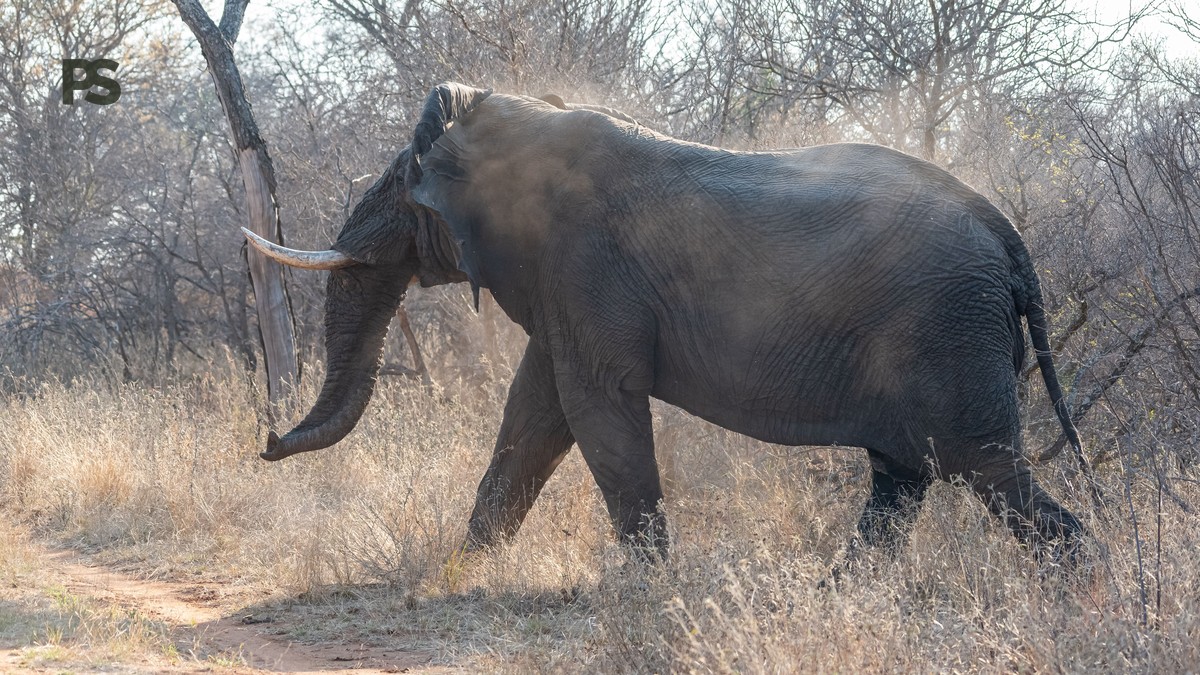
A guide is not optional around Naivasha. Crescent Island safety depends on clear rules: stay on the agreed route, keep the instructed distance from buffalo and other large animals, never feed wildlife, and respect the guide’s stop signal.
The absence of lions does not mean independent walking is safe. A guide is the person who spots a hippo trail before you step onto it. They control pace, choose where to cross open ground, and know when to turn back.
On Plain Safaris itineraries, this briefing comes before the walk begins, not after everyone has scattered. Plain Safaris treats small-group safaris as a safety feature. A smaller group means everyone hears every instruction.
Here is how the main walking options around Naivasha compare:
| Walking option | Best walking time | Core safety rule | Who leads |
|---|---|---|---|
| Crescent Island sanctuary | Mid-morning to early afternoon | Stay with the guide and keep buffalo distance | Sanctuary guide |
| Lodge nature trail | Daylight only | Confirm the boundary and gate times | Lodge guide or ranger |
| Open lakeshore between lodges or camps | Late morning, avoid late afternoon | Never come between a hippo and the water | Experienced walking guide |
| Boat landing or jetty | Daylight transfers only | Follow the boat crew around the shoreline | Boat crew plus lodge staff |
5. Plan the Boat Landing, Not Just the Trail
Most Crescent Island visits begin with a boat transfer or a lakeside drop. That landing point is part of the safety plan because hippos rest near the reeds and shallows.
Ask the operator how they handle the approach. The boat should slow down before the landing, and the crew should decide when it is safe for passengers to step out. Listen carefully. A calm boat walk and a careful landing protects you even before you reach the trail.
If you also want time on the water, our Lake Naivasha birding boat guide covers the quieter corners and where the birds gather. Treat the boat ride as a separate activity with its own rules, especially around hippos and nesting birds.
6. Pack for Altitude, Rain, and Bite Protection
Naivasha sits at around 1,884 meters above sea level. The sun is stronger than it feels, and rain can arrive quickly even on a clear morning.
Wear closed, sturdy shoes that can handle damp grass. Carry water. Use sun protection and bring light rain protection. The area has malaria risk, so use insect repellent in the evening and cover exposed skin around dusk.
One more rule applies to the whole lake: do not swim. Hippos, crocodiles, and freshwater parasites make swimming unsafe here.
7. Check the Walking Operator Before You Book
The right operator turns Lake Naivasha walking safari safety from theory into practice. Ask these questions before you pay:
- Who leads the walk, and what is their guiding background?
- Is the operator licensed and insured?
- How many guests are in the walking group?
- What happens if a hippo or buffalo blocks the trail?
- What is the exact dusk cutoff?
- Does the price include the boat, sanctuary entry, and guiding fees?
- What is the emergency plan?
A good operator answers every question directly. A vague response is a warning sign. If someone promises you can walk alone or skips the safety briefing, choose a different company.
For broader questions about vehicle rules and group behavior on safari, our Kenya safari safety and shared-vehicle rules guide fills in the rest.
Lake Naivasha Walking Safari Safety: Plan a Walk That Fits Your Pace
Safety on Lake Naivasha comes down to three choices. Start at Crescent Island. Respect hippos and dusk. Walk with a guide who has done this route many times.
Plain Safaris plans small-group safaris around Naivasha and farther afield. We like these walks because they reward a slow morning and clear instruction. If you are comparing routes further north, our walking safari planning in Kenya guide is also useful.
Tell a Plain Safaris planner where you want to go, who is traveling, and how many nights you have. They will shape a route that keeps everyone comfortable, informed, and safe. Send us your travel dates and questions here, and we will take it from there.