
Lake Naivasha sits about 95 kilometers northwest of Nairobi in the Great Rift Valley. It is a freshwater lake, not a soda lake, so its bird list looks different from the lakes closer to Nakuru. Birders return all year because resident birds never leave. Plain Safaris plans small-group safaris around that reality.
Before choosing a month, understand the trade-off. The lake naivasha birding months with the most species fall between October and April. The months with the calmest conditions usually fall between June and September and again in January and February. Both windows work. The right one depends on the birds you want and the kind of day you enjoy.
What are the best Lake Naivasha birding months?
The best overall months for Lake Naivasha birding are October through April, when migrant birds arrive and many resident species breed. Choose October to November or March to April for stronger migrant and breeding activity. Choose June to September or January to February for drier weather, clearer skies, and more comfortable boat outings.
That answer points in two directions. If you want the longest species list, book during the migration window. If you value clear conditions, calm boats, and easier photographs, aim for the dry window. Resident birds mean you are never starting from zero.
The best time for birdwatching at Lake Naivasha often depends on your target list. A birder chasing migrants should visit between October and April. A photographer who wants steady light and fewer interruptions may prefer June to September.
How do the seasons affect Lake Naivasha birding?
October and November bring migrants and short-rain greenery. December through February combines warm, mostly dry conditions with continued bird diversity. March through May offers lush scenery, breeding activity, and wetter conditions. June through September is the easiest dry-season window for comfortable viewing and photography. Birding remains worthwhile in every season.
This table is a planning tool, not a forecast. Local weather can shift by a week or two each year.
| Season | Typical weather | Birding note |
|---|---|---|
| October to November | Short rains start; fresher air | Migrant birds arrive; resident nesting starts near Crescent Island |
| December to February | Mostly dry; warm days; cool mornings | Clear water, active fish eagles, and steady light for photography |
| March to May | Long rains; lush vegetation; possible muddy tracks | High breeding activity; April often brings more song and display |
| June to September | Dry; cooler mornings; less wind early | Lower migrant numbers but easier boat trips and crisp visibility |
The migration window adds species. The dry season adds reliability. Choose based on your targets and how much rain you can accept.
When do migratory birds arrive at Lake Naivasha?
Migratory birds are most likely from October through April, with particularly useful periods around November and February when migrant waterfowl and other species are reported. Breeding activity is also strongest around the rainy periods, especially November and April, when nesting and breeding plumage can make resident birds more rewarding to watch.
Most of these migratory birds at Lake Naivasha come from Europe and northern Asia. They travel south to spend the northern winter in warmer wetlands. Look for them along the waterline and on the shallow margins that open up near Crescent Island. At Oloiden Bay, a good boat captain can cut the engine and let the birds settle back onto the same stretch of water.
Migrant waders such as common sandpipers, wood sandpipers, and little stints are regular visitors. Migrant waterfowl may include garganey and northern pintail. Barn swallows and house martins often course over the lake in the late afternoon. November and February are excellent months if you want to see these species before they move on.
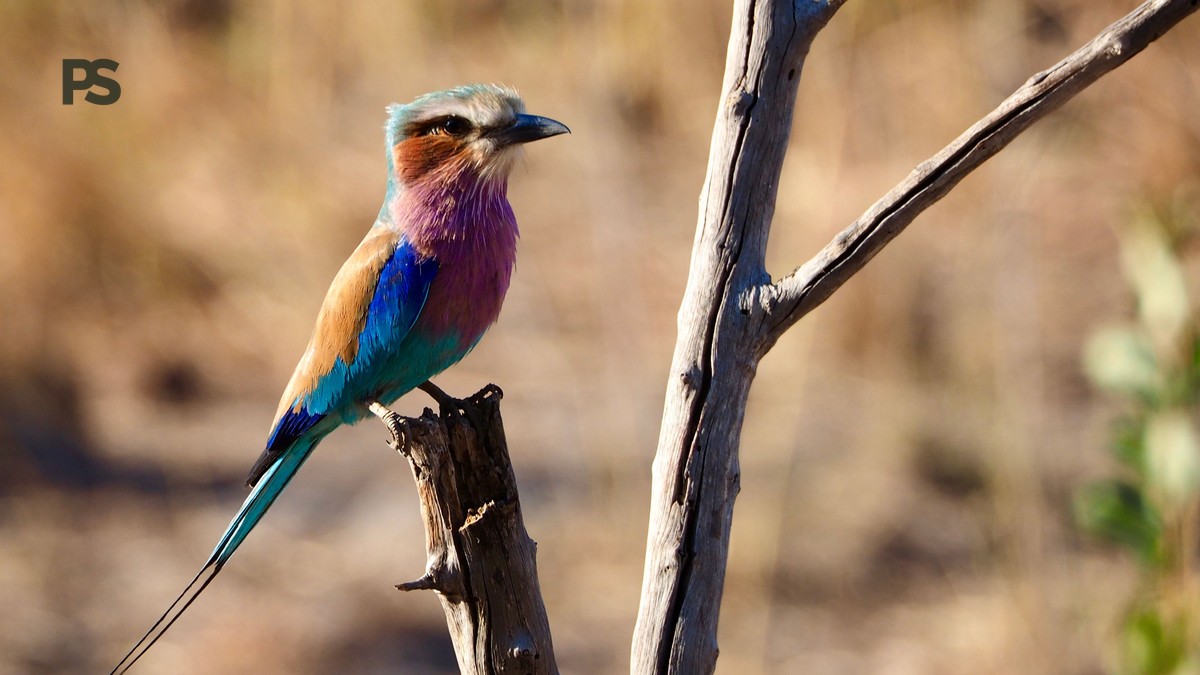
What birds can you see year-round at Lake Naivasha?
Lake Naivasha supports year-round sightings of African fish eagles, pelicans, herons, cormorants, and other resident waterbirds. The species mix changes with water levels, vegetation, and migrant arrivals, so the dry months can be easier for visibility while the wetter months may produce greater variety. A boat trip and shoreline walk cover different habitats.
At first light, the water near Crescent Island can be still enough to hear an African fish eagle call from far away. The lake has a long list of permanent residents, including great white pelicans, long-tailed cormorants, African darters, yellow-billed storks, African spoonbills, sacred ibises, hamerkops, Egyptian geese, and black-winged stilts.
Look for pairs of African fish eagles at Lake Naivasha on tall dead trees at the water’s edge. Their call is often the first sound of the day. Malachite kingfishers and pied kingfishers hunt from low branches and reeds. Along the grassy shoreline, you may find red-knobbed coots, African swamphens, and crowned lapwings. If you can walk a short section of lakeshore forest, the bird list grows even longer.
Flamingos deserve a separate note. They visit Lake Naivasha from time to time, mainly around Oloiden Bay, but they are not a scheduled event. The lake is freshwater, not alkaline, so the large flamingo flocks are easier at other Rift Valley lakes. If you want to compare the two habitats, our Lake Naivasha vs Lake Elementaita post explains where flamingos become more reliable.
What is the best time of day to see birds at Lake Naivasha?
Plan birding for early morning, roughly 6:30 a.m. to 9:00 a.m., or late afternoon, about 4:00 p.m. to 6:00 p.m. Calm water, softer light, and higher feeding activity make these periods better than midday. African fish eagles are resident year-round, but their hunting activity is especially noticeable in the morning and late afternoon.
Book a Lake Naivasha boat trip for the first available slot. The lake often becomes breezy after mid-morning, which makes water birds restless and photography harder. A 6:30 a.m. start gives you flat water and active feeding. The late afternoon window is almost as good, especially when the wind drops.
Midday is not wasted if you stay on land. Search shaded trees, papyrus edges, and the gardens of lakeside lodges. Many birds rest during the hottest hours, and woodland species can still be active in cover.
If you are planning launch points and exact timings, read our Lake Naivasha birding boat guide. It covers the practical details that make a morning on the water more productive.
How many days do you need for Lake Naivasha birding?
A one-day visit can produce worthwhile birding, but two days allow a morning boat trip, a second outing at a different time, and flexibility around wind or rain. Dry months usually provide the simplest logistics, while rainy months may deliver richer bird activity. Crescent Island and Oloiden Bay are useful areas to discuss when planning water-based sightings.
One day is possible if you start very early. Two days take the pressure off. Three days allow you to add another Rift Valley lake without rushing. The table below shows common route options.
| Plan | Travel and timing | Best use |
|---|---|---|
| One day from Nairobi | Nairobi to Naivasha town about 95 km, 1.5 to 2 hours each way | A single early boat trip near Crescent Island |
| Overnight near the lake | Stay near Crescent Island or Oloiden Bay | A 6:30 a.m. boat plus a second outing around 4:00 p.m. |
| Three-lake Rift Valley route | Drive north to Lake Elementaita, or continue to Lake Nakuru | Compare freshwater and soda-lake habitats for more species |
A two-day visit works well for most birders. Arrive in the late afternoon, take a short shore walk, then sleep close to the lake. The next morning you can be on the water by first light. That schedule avoids the long drive from Nairobi in the dark and gives you two different birding times.
If you want a longer wetland circuit, combine Naivasha with a day in Nakuru. The drive north is roughly 90 kilometers. Lake Nakuru National Park charges non-residents about USD 90 per adult per day, and that fee should be included in your budget. Our Lake Nakuru birding itinerary helps you fit both lakes into one route.
Frequently Asked Questions
What are the best months for birding at Lake Naivasha?
October to April is the best period for overall bird diversity because migratory birds arrive and breeding activity increases. June to September and January to February are better if dry weather, clearer skies, and comfortable boat conditions matter most.
Is Lake Naivasha good for bird watching all year round?
Yes. Resident species such as African fish eagles, pelicans, herons, and cormorants can be seen throughout the year. Seasonal migrants and breeding activity make October to April more varied, while dry months generally make viewing and photography easier.
When do migratory birds arrive at Lake Naivasha?
Migratory birds generally arrive from October and remain most noticeable through April. November and February are useful months for migrant waterfowl, while the wider October-to-April period offers the strongest chance of combining migrants with resident species.
What is the best time of day to see birds at Lake Naivasha?
Early morning, approximately 6:30 a.m. to 9:00 a.m., is usually the most reliable window. Late afternoon from about 4:00 p.m. to 6:00 p.m. is a strong second choice. Midday is often hotter and windier, making birds less active and harder to photograph.
Can you see flamingos at Lake Naivasha?
Flamingos can occur around Lake Naivasha, including areas near Oloiden Bay and Crescent Island, but sightings are less predictable than general waterbird sightings. Water levels, algae, rain, and food availability affect where flamingos gather. Treat them as a possible bonus rather than a guaranteed highlight.
The Plain Safaris Difference
Most Rift Valley trips try to squeeze in too much. Plain Safaris does the opposite. We keep the same calm pace that works for small-group safaris on the Mara grass plains and apply it to Lake Naivasha birding.
Plain Safaris does not treat the lake as a quick stop between Nairobi and Masai Mara. Our small-group safaris leave room for a slow boat circuit, a shoreline walk, and a second outing when the birds are active again. On small-group safaris near Naivasha, you are not racing to a big-cat sighting.
Plain Safaris also works with local boat crews who know Crescent Island and Oloiden Bay. They know where papyrus edges give cover, where fish eagles like to perch, and when the wind will pick up. That local knowledge makes a real difference on a body of water as open as Naivasha.
Ready to Plan Your Lake Naivasha Birding Trip?
Once you know which month fits, the next step is easy. Tell Plain Safaris whether you prefer October to April bird diversity, June to September dry weather, or a combination of both. We will match the route, lodge, and boat schedule to the season.
Start by asking for a date-specific Lake Naivasha plan through our contact page. We will send you a practical route that works for your target birds.