
You have booked the flights. You have picked the camps. One question remains. What do you need to get into Kenya? This Kenya safari visa guide gives you the exact steps. You will learn about the eTA, the cost, the timing, and the mistakes that cause delays.
The short answer is simple. Kenya no longer issues visitor visas at the airport. Since January 2024, you need an electronic travel authorization, or eTA. You must apply online before you fly. A small mistake on the form can delay your trip by days. This guide helps you avoid that.
Kenya safari visa guide: eTA basics
Kenya replaced the old visa system with the eTA in January 2024. The eTA is not a visa. It works the same way. It grants you permission to enter Kenya for tourism, business, or transit.
The system is fully online. You apply through the official Kenya eTA portal. You pay a fee. You receive a document by email. You present that document at immigration on arrival.
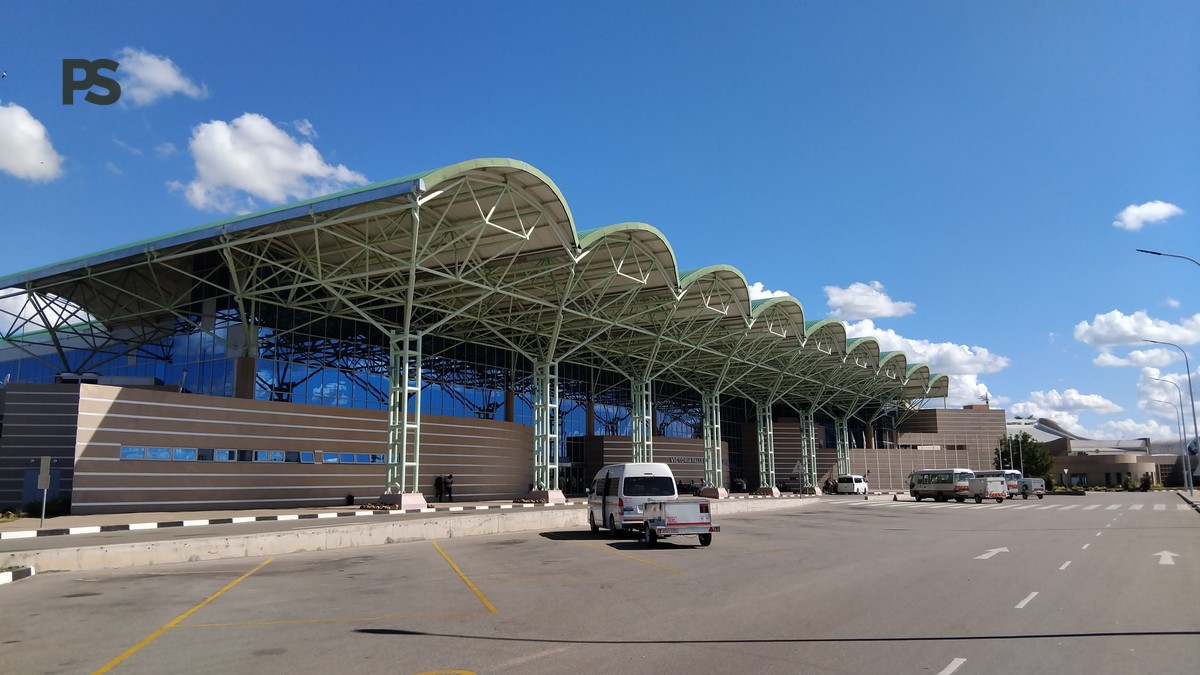
The key change is that there is no visa on arrival. You cannot show up at Jomo Kenyatta International Airport in Nairobi and get a stamp. You must apply before you board.
This is the most common mistake we see. Travelers assume they can sort it out at the airport. They cannot.
Who needs an eTA and who is exempt
Most visitors need an eTA. This includes citizens of the United States, the United Kingdom, Canada, Australia, Germany, France, and most other countries.
You do not need an eTA if you are a citizen of the East African Community. These countries are Burundi, the Democratic Republic of Congo, Rwanda, South Sudan, Tanzania, and Uganda. Citizens of these countries can enter Kenya with a national identity card or passport.
Diplomatic and official passport holders from certain countries may also be exempt. Check with your embassy if this applies to you.
For everyone else, the rule is simple. You need an eTA.
eTA cost, validity, and processing time
The cost of the Kenya eTA is USD 34 per person for a single entry.
A transit eTA costs less. It applies if you stay in Kenya for less than 72 hours and have a confirmed onward ticket.
The eTA is valid for 90 days from the date of issue. You must enter Kenya within that window. Once inside, you can usually stay for up to 90 days. The immigration officer has the final say.
Processing time is officially up to 3 working days. Most approvals arrive within 24 to 48 hours. Applications with missing documents can take 5 to 7 working days.
Apply early. Do not wait until the last minute.
Documents required for the application
You will need the following documents before you start:
- Your passport. It must be valid for at least 6 months beyond your arrival date. It must have at least two blank pages.
- A recent passport photo. It must be clear, in color, and on a plain background. Save it as a JPEG file no larger than 2MB. The photo must show your full face. No hats or sunglasses.
- Your flight itinerary. This shows your arrival and departure flights.
- Proof of accommodation. This is usually a booking confirmation from your lodge or camp.
- Proof of sufficient funds. A recent bank statement or credit card statement works. The amount is not fixed. You should have enough to cover your stay.
- A yellow fever vaccination certificate. This is required if you arrive from a country with risk of yellow fever transmission.
Many first-time travelers worry about the accommodation proof. Your final lodge list might not be confirmed when you apply. You can use a provisional booking from your safari operator. You can also use a refundable hotel reservation.
How to apply step by step
The application takes about 30 minutes if you have all your documents.
- Go to the official Kenya eTA website. Use only the official site. Third-party sites charge extra fees.
- Create an account. You need an email address and a password.
- Fill in the form. This includes your personal details, passport details, flight information, and accommodation details.
- Upload your documents. Follow the file size and format instructions.
- Pay the USD 34 fee. The portal accepts credit and debit cards.
- Submit and wait. You will receive a confirmation email. The eTA arrives by email when approved.
Print a copy of your eTA. Keep a digital copy on your phone. You need it at check-in and at immigration.
When to apply before a safari
A standard tip is to apply 2 weeks before you travel. That gives you a buffer.
We suggest a different order. Apply as soon as your flights are booked. If your camp list is tentative, use provisional bookings.
If your safari dates are confirmed and camps are booked, apply immediately. This avoids stress when your itinerary is already packed.
Do not apply more than 90 days before your trip. The eTA will expire before you travel. The sweet spot is 3 to 6 weeks before departure.
Here is a realistic timeline:
| Scenario | When to apply | Why |
|---|---|---|
| Flights booked, camps confirmed | 4 to 6 weeks before departure | Buffer for processing delays |
| Flights booked, camps tentative | 3 weeks before departure | Use provisional documents |
| Peak season (July to October) | 6 to 8 weeks before departure | Higher volumes, slower processing |
| Transit through Kenya | 2 weeks before departure | Transit eTA is faster, but still needs time |
| Last-minute booking (under 2 weeks) | Immediately | Submit the same day, check status daily |
Arrival and boarding checklist
The eTA is not the only document you need. Here is your full checklist before you fly:
- Passport with 6 months validity and 2 blank pages
- Approved eTA, printed and on your phone
- Return flight ticket or onward travel proof
- Yellow fever certificate, if required
- Proof of accommodation
- Travel insurance documents
- Cash or card for the airport
When you land in Nairobi or Mombasa, head to immigration. Have your passport and eTA ready. The officer may ask about your accommodation and return plans. Answer clearly.
Nairobi’s Jomo Kenyatta International Airport is busy. The immigration hall can take 30 to 60 minutes to clear during peak arrival times. Have your documents in hand to speed up the process.
After immigration, collect your bags and clear customs. Then you are out. Your safari begins.
Children, families, and special cases
Yes, children need their own eTA. Every traveler needs a separate application. This includes infants.
Each child pays the same USD 34 fee. Each child needs a passport. You cannot add a child to a parent’s application.
You will need the child’s passport photo and flight details. If the child travels with only one parent, carry a consent letter from the other parent. This is not always required, but it is wise. The consent letter should include the other parent’s contact details and a statement of permission. Some airlines also ask for this at check-in.
Families should double-check all names. Spelling must match passports exactly. A mismatched name is the top reason for delays.
Transit and multi-country safari rules
Many safaris combine Kenya with Tanzania. You might visit the Masai Mara, then cross into the Serengeti. You need to know the visa rules for both countries.
Kenya and Tanzania are both in the East African Community. There is no single tourist visa for both. You need a separate eTA for Kenya and a separate visa for Tanzania.
For Tanzania, apply online before you travel. The cost and timing differ. Check the official Tanzanian immigration site. It typically takes 5 to 10 working days. Plan for both applications together so your documents are ready at the same time.
If you transit through Kenya for under 72 hours, you need a transit eTA. It costs less than the tourist eTA. It covers brief stays or airport transit.
If you fly into Nairobi and head straight to a Mara lodge, you need the tourist eTA. The transit eTA does not cover a safari.
Yellow fever and health documents
Kenya requires a yellow fever certificate if you arrive from a country with yellow fever risk.
If you fly direct from the United States, the United Kingdom, or most of Europe, you generally do not need it. If you have a stopover in a high-risk country, you will need it.
Many travelers take antimalarial medication. It is not required for entry. It is strongly recommended for the Masai Mara, Amboseli, and other safari areas.
Carry your yellow fever certificate with your travel documents. You may be asked for it at immigration. This is common if your flight connected in East or Central Africa.
Check if your home country requires the certificate for your return. Some countries ask for it after you have visited a risk area.
Kenya safari visa guide: travel distances and park fees
Once your eTA is approved, the real fun starts. You need to know how far your safari park is from Nairobi. Here are the road distances and drive times to Kenya’s most popular reserves.
| Safari park / reserve | Distance from Nairobi (km) | Drive time | Park entry fee (indicative USD per adult per day) |
|---|---|---|---|
| Masai Mara National Reserve | 225 | 5 to 6 hours | USD 100 to USD 200 |
| Amboseli National Park | 240 | 4 to 5 hours | USD 90 |
| Lake Nakuru National Park | 160 | 3 to 3.5 hours | USD 90 |
| Samburu National Reserve | 350 | 5 to 6 hours | USD 70 to USD 120 |
| Tsavo East National Park | 300 | 5 to 6 hours | USD 80 |
These fees change by season and are set by county or national authorities. Always confirm the current rate with your safari operator before you travel.
You can also fly from Wilson Airport in Nairobi to many of these parks. Light aircraft flights take 45 to 60 minutes. They save you a long drive and let you start your game drives sooner.
The Plain Safaris Difference
Most visa guides stop at documents and fees. We think logistics matter just as much.
At Plain Safaris, we help you build your itinerary before you apply for the eTA. You get real flight numbers, real camp names, and real dates. A complete application rarely gets delayed.
We know the small details that make a difference. Internal flights from Nairobi to the Masai Mara assume you are already in the country. Your eTA must be valid before you clear immigration at Jomo Kenyatta International Airport. We time your application so there is no gap.
If your plans change, we help you adjust. The eTA is linked to your passport, not your flights. Minor changes do not require a new application.
We have seen travelers get stuck on small errors. A photo that is too large. A passport that expires too soon. A spelling mistake. These cause big delays. Our pre-departure checklist catches them early.
For more practical advice, read our guide on ATM access at remote safari camps. If you want a coastal extension, see our SGR train Nairobi to Mombasa article. Wondering if rain will spoil your trip? Read our take on rainy season safaris.
Kenya safari visa guide: quick reference
Here is a summary of the key facts in one table:
| Item | What you need to know |
|---|---|
| Full name | Kenya Electronic Travel Authorization (eTA) |
| Replaces | Traditional visa on arrival |
| Cost | USD 34 per person, single entry |
| Valid for | 90 days from date of issue |
| Processing time | Usually 24 to 72 hours, up to a week if issues |
| Passport validity | 6 months beyond arrival date |
| Blank pages | At least 2 |
| Children | Need their own eTA, same cost |
| Transit | Separate transit eTA for stays under 72 hours |
| Tanzania | Separate visa required |
Ready to plan your safari?
Now that the paperwork is clear, the fun part begins. You get to choose where to go, which camps to book, and what to pack.
At Plain Safaris, we handle the logistics so you can focus on the excitement. We can advise on eTA timing, internal flights, and camp selections that match your style.
You want the full Kenya experience on the ground. Tell us about your ideas. We will build an itinerary around them.
Browse our safari packages to see what is possible, or contact us to start the conversation. Your Kenya safari is closer than you think.