
You know the classic Kenya circuit. You also know what twenty vehicles look like at one crossing. This kenya safari quiet season itinerary is built for the opposite experience. It connects Nairobi, Ol Pejeta, Lake Nakuru, and the Maasai Mara in seven days. At Plain Safaris, we plan this route around early starts and long stops.
When Is Kenya’s Quiet Season?
Kenya’s quietest safari periods are April and May, plus November and parts of January to March. January and February offer the best balance of quieter parks and dependable game viewing. April and May have the lowest numbers, but the roads are wetter.
This route assumes January or February. For many repeat visitors, that is the best time to visit Kenya for a safari without high-season traffic. A Kenya safari in November is another quiet window, though it can be wet. For a wetter and even emptier option, read our notes on Tsavo East in November.
What Is the Best 7-Day Kenya Safari Quiet Season Itinerary?
A balanced seven-day route is Nairobi, Ol Pejeta, Lake Nakuru, and the Maasai Mara. One night goes to Nairobi, two nights to Ol Pejeta, one night to Lake Nakuru, and three nights to the Mara. That limits long transfers while covering rhinos, lake scenery, and big-cat territory.
Here is the route at a glance. Fees are per adult per day, non-resident, current for January 2026.
| Day | Base | Focus | Approx drive | Fee |
|---|---|---|---|---|
| Day 1 | Nairobi | Arrival and rest | – | City hotel varies |
| Days 2-3 | Ol Pejeta Conservancy | Rhino and chimpanzee sanctuary | 220 km, 3.5-4 h | Bundled with lodge; indicative USD 80-150/person/night |
| Day 4 | Lake Nakuru National Park | Lake, rhino, flamingos when water allows | 190 km, 3-3.5 h | USD 90/adult/day |
| Days 5-7 | Maasai Mara National Reserve | Big cats, open plains | 260 km, 5-6 h | USD 100/adult/day, Jan-Jun |
You can swap the reserve for Mara North or Naboisho conservancy for tighter vehicle limits. Indicative conservancy fee: USD 80-150 per person per night, usually bundled with the lodge. If seven days is more than you have, use our shorter three-day Kenya safari itinerary as a start.
Day-by-Day Quiet Season Itinerary
Use this as a base. Your guide can change the timing.
- Day 1: Nairobi. Arrive, rest, sleep. Stay in Karen or Westlands.
- Day 2: Nairobi to Ol Pejeta. Leave by 7:00. Drive around 220 km north. The afternoon drive covers rhinos and the chimpanzee sanctuary.
- Day 3: Full day in Ol Pejeta. Start at 6:30. The Sweetwaters area has fewer vehicles than most national parks. Add a guided walk or night drive if your camp offers it.
- Day 4: Ol Pejeta to Lake Nakuru. Drive about 190 km. Flamingo numbers vary with the lake level. Rhinos are still a highlight.
- Day 5: Lake Nakuru to Maasai Mara. The longest drive, around 260 km. Enter through Sekenani Gate. Head to the quieter western plains for the afternoon.
- Day 6: Full day in the Maasai Mara. Start before sunrise. The grass is wet. You hear the engine only when you move. Then a lion yawns and rolls into the shade. Rest at camp midday, then head out again.
- Day 7: Final morning drive and departure. Use the soft light and then leave. Book a late afternoon flight back to Nairobi.
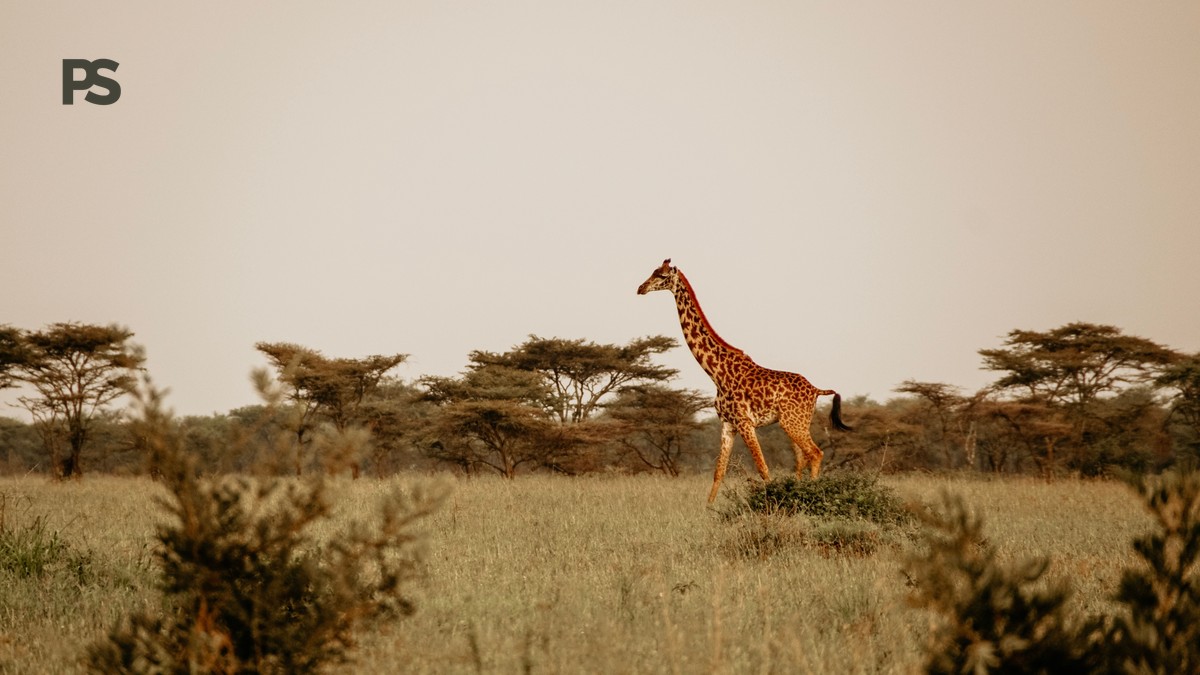
Where Can I Go in Kenya for a Quiet Safari?
Choose private conservancies near the Maasai Mara, Ol Pejeta, and northern reserves such as Samburu when fewer vehicles matter most. Conservancies limit vehicle numbers and can add walks or night drives. The trade-off is higher rates than national-park camps.
Mara North and Naboisho cap vehicles per sighting. Their fees run roughly USD 80-150 per person per night and are bundled into lodge rates. Samburu is even emptier, but it adds four hours of driving from Nanyuki. For a 7-day route, Ol Pejeta is the smarter northern stop. If a quiet safari in Kenya matters more than a specific park, spend the extra money on a private conservancy. For low-impact stays, see our Kenya safari eco-lodges list.
What Are the Quiet-Season Trade-Offs?
Expect greener scenery, softer light, and occasional rain. January and February are the safest choices for road conditions and game viewing. March to May and November can be more atmospheric, but they can bring muddy tracks and changes to plans. Migration crossings are not guaranteed.
A Kenya safari in January will not include the wildebeest river crossings that fill July and August. You trade spectacle for space. The Big Five are all possible on this route, especially rhino at Ol Pejeta and lion in the Mara. But no sighting is guaranteed. If the migration is your only goal, visit in August instead. If peace is your goal, come now.
Is Kenya Safari Cheaper in the Low Season?
A realistic budget separates accommodation, park fees, transport, meals, and activities. Private safaris cost more per person because the vehicle charge is spread across fewer guests. Ask for a written quote listing every fee, drive, and levy.
A Kenya safari low season does not mean low-season park fees. The Maasai Mara National Reserve is county-run. It charges USD 100 per adult per day from January to June, then USD 200 from July to December. Lake Nakuru National Park charges USD 90 per adult per day. Camp rates are more flexible. Some lodges discount in the green season. Conservancy fees tend to stay fixed because they fund rangers and community projects. Our small-group safaris split the vehicle cost across a few travelers, which keeps the per-person price down. Ask for line items, and you will know exactly what the quiet season saves.
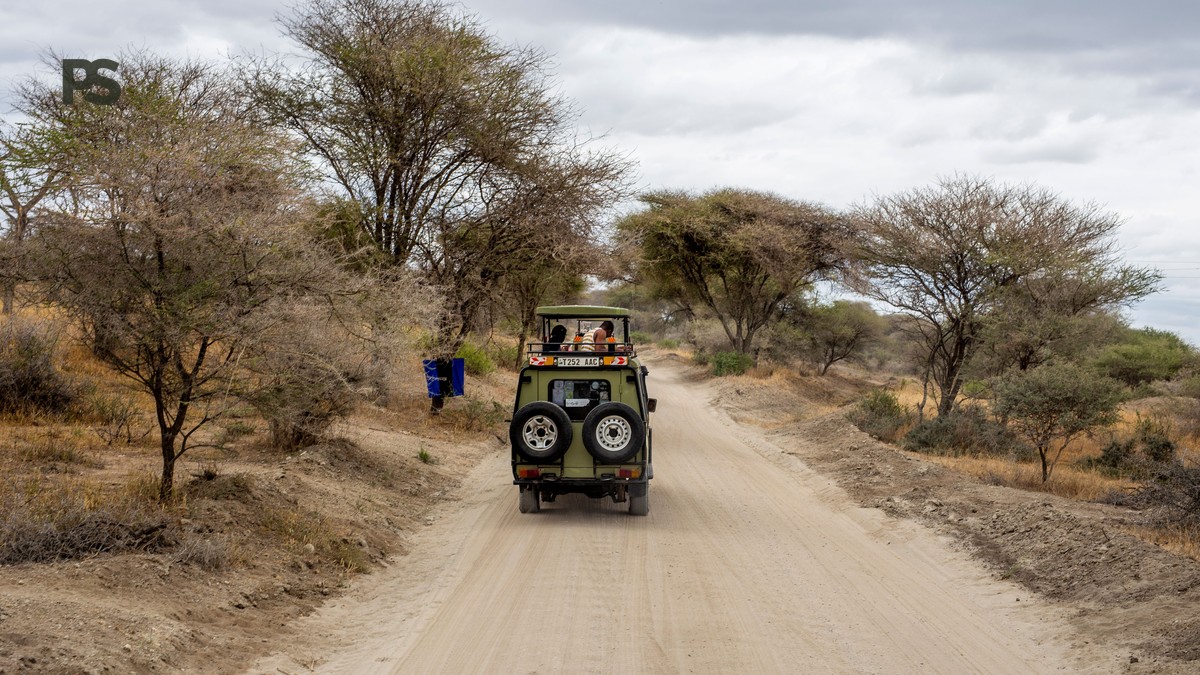
How Should You Plan Transport, Camps, and Game Drives?
Keep the route to two major transfer days. Spend at least two nights in each wildlife area. Nairobi to Ol Pejeta and Ol Pejeta to the Mara are long drives. An early departure matters. A private 4×4 lets your guide adjust timing and choose quieter tracks.
At Plain Safaris, small-group safaris use one vehicle for the whole route. Your guide stays with you from Nairobi to the final drive. In Ol Pejeta, Sweetwaters Serena Camp and Ol Pejeta Bush Camp are established choices. In the Mara, pick a camp inside Mara North or Naboisho if the budget allows. That is where the quiet starts. Pack layers and a rain shell. Ask about night drives if you want more private-conservancy hours.
Plan This Quiet Season Itinerary with Plain Safaris
Seven days is enough for a quiet season route that feels different from the high-season circuit. You get the rhinos at Ol Pejeta, the lakeshore at Nakuru, and the calm grass of the Mara in January. If this route fits your dates, talk to Plain Safaris. We can keep it as a road trip or add a light aircraft transfer for the final sector. Start the conversation on our contact page. Our team will send a written quote with every fee listed.