This Kenya safari planning guide Spanish speakers can trust starts with the guide, not the itinerary. The parks, flights, and fees are the same as any Kenya trip. What changes is who explains them. You want someone who can describe animal behavior, camp routines, and Maasai history in your own language every day, not only on the first game drive.
Most of the choices below follow the same logic as the seven-step Kenya safari planning guide we prepared for French-speaking travelers. This version keeps the Spanish guide and cost questions at the center.
Kenya safari planning guide Spanish speakers: start with a seven-night route
Seven nights is the strongest first-safari length. It gives you two nights in Amboseli, two in a rhino-focused area, and three in the Masai Mara ecosystem. A five-day trip should focus on two regions. Nine or ten nights gives you time to add Samburu or Laikipia without rushed transfers.
| Nights | Destination | Why this stop | Daily fee for non-residents |
|---|---|---|---|
| 2 | Amboseli National Park | Elephants in large herds, possible Kilimanjaro views | USD 90 per adult |
| 2 | Lake Nakuru National Park | Rhinos, flamingos, lakeside scenery | USD 90 per adult |
| 3 | Masai Mara National Reserve or private conservancy | Big cats, wide plains, Great Migration in season | Reserve: USD 100 Jan-Jun, USD 200 Jul-Dec. Private conservancy: roughly USD 80-150 per person per night |
The fee column matters because a quote that says “included” is different from one that lists park fees separately. Amboseli and Lake Nakuru charge a daily rate, not a one-time gate fee. Inside private areas like Naboisho or Mara North Conservancy, the conservancy fee is normally bundled into your lodge rate.
Road times also fit the route. Nairobi to Amboseli is about four hours by road. Amboseli to Lake Nakuru through Nairobi takes most of a day, so leave early. Lake Nakuru to the Masai Mara is five to six hours through Narok. Some travelers fly out from Kichwa Tembo Airstrip after the last game drive to avoid the return road trip.
Seven decisions to make before you book
1. Commit to a season before choosing camps
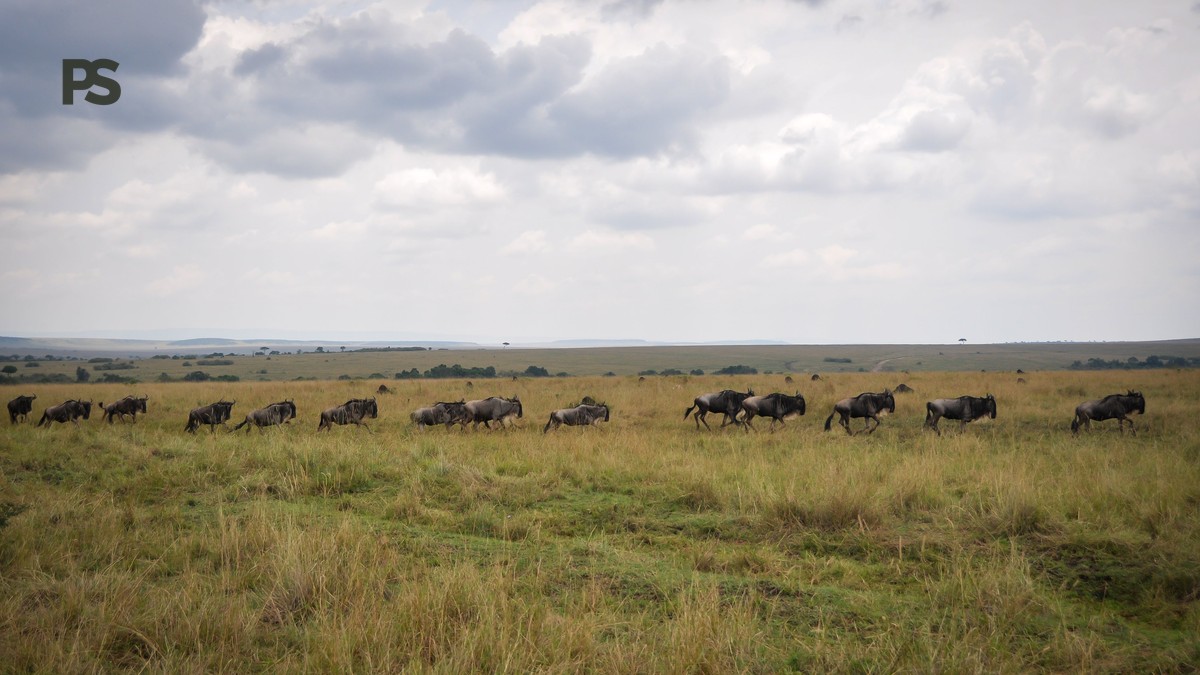
July to September is the best Masai Mara safari window if the Great Migration Kenya is your goal, but river crossings are never guaranteed. January to March brings quieter parks and newborn wildlife. June and October are dependable dry-season compromises. April, May, and November can be greener and cheaper, though rain may slow transfers.
Once you fix the month, plan driving hours around the animals you most want. If the Big Five drive your choices, read how to maximize Big Five sightings because the same timing rules apply on a seven-night loop.
2. Give yourself seven nights, not four
Five nights forces you to choose only two regions. Seven nights lets you spend two nights in Amboseli, two near Lake Nakuru or Ol Pejeta, and three in the Masai Mara. Nine or ten nights adds a buffer for bad weather and for the kind of morning when you do not want to leave a lion sighting early.
3. Choose three regions with different habitats
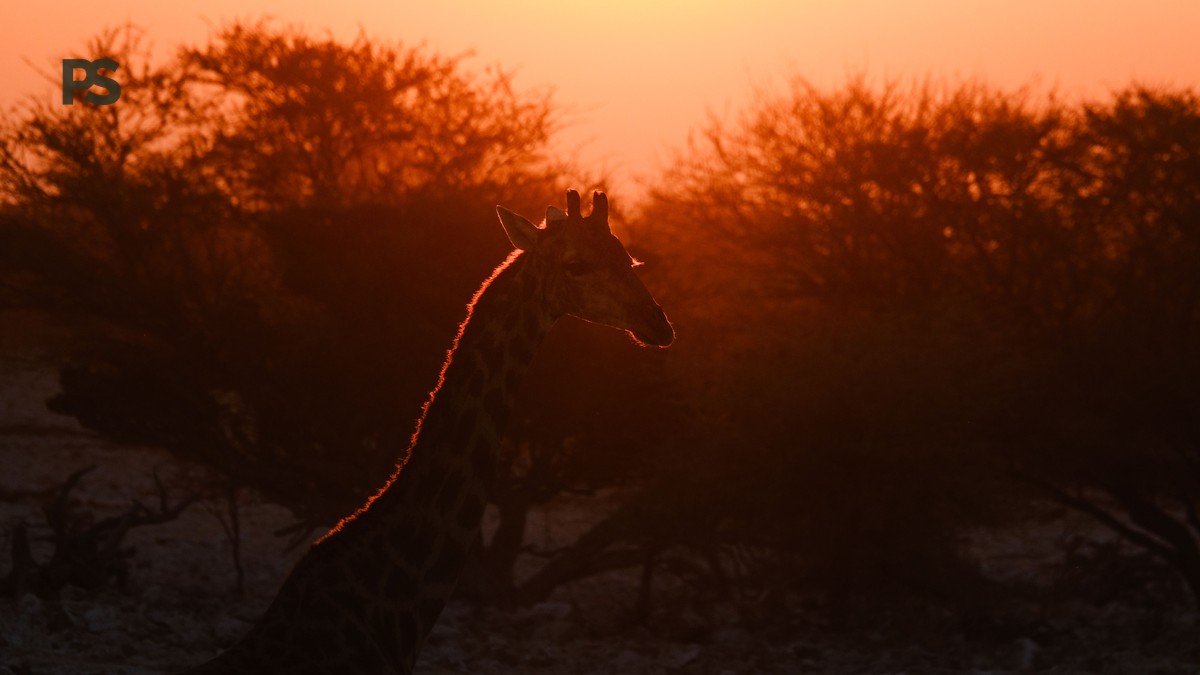
Amboseli National Park gives you elephants and open views. Lake Nakuru National Park or Ol Pejeta Conservancy gives you rhinos and a change of landscape. The Masai Mara ecosystem gives you cats, broad grass, and the Great Migration in season.
If you prefer lower vehicle density, stay in a private Mara conservancy instead of the Reserve. The wildlife is less crowded, but you should budget for the conservancy fee and a slightly different set of camp rules.
4. Name your Spanish-speaking safari guide before you pay
A Spanish-speaking safari guide Kenya can work, but availability is limited. Do not rely on an international portal that promises “Spanish support” and then gives you an English-speaking guide with a phone interpreter.
Book directly with a Kenyan operator. Ask for the guide’s name, fluency level, and professional credentials in writing. Confirm that the same guide stays with you for the whole route. Ask for the exact Spanish-guide supplement before you make a deposit. The booking procedures in this market are the same as any Kenya safari booking, no matter which home language you speak.
5. Compare Kenya safari cost per person line by line
Use these indicative ranges for a seven-night trip in low to shoulder season:
- Shared mid-range: about USD 1,800-2,800 per person.
- Private mid-range: about USD 2,800-4,500 per person.
- Luxury private conservancy: about USD 4,500-7,500 per person.
Ask what the price includes. Some quotes cover all meals, park fees, the vehicle, and a Spanish-speaking guide. Others leave park fees and guide supplements as extras. Confirm whether internal flights, laundry, and drinks are included. Current Mara Reserve entrance is USD 200 per adult per day from July to December, so it can be a meaningful line item.
6. Sort Kenya eTA, health, and documents early
Apply for the Kenya eTA online at least two weeks before departure. You need a passport valid for at least six months, return-flight details, and accommodation evidence. Spanish citizens do not need a traditional visa, but they do need the eTA.
If you arrive from a yellow-fever risk country, carry your yellow-fever certificate. Malaria prevention should be discussed with a doctor four to six weeks before travel. Travel insurance with medical evacuation is worth arranging at the same time.
7. Pack a soft bag, not a formal suitcase
Most camps provide laundry, so a five-to-seven-day safari does not require a large suitcase. Pack a soft-sided duffel with neutral, lightweight layers. Add three or four long-sleeved shirts, two or three pairs of trousers, a fleece, and a rain jacket. Pack broken-in walking shoes, a hat, sunscreen, insect repellent, daily medication, binoculars, travel documents, and a Type G adapter.
The final check before you book
At Plain Safaris, small-group safaris can reserve a Spanish-speaking driver-guide for this exact loop. Plain Safaris also builds private versions when you want the vehicle to yourself.
Start with your dates. Tell us on the contact page that your family needs a Spanish-speaking guide, and we can show you what that means for camp choice and price. Then ask yourself one question: do you want the quieter feel of a private conservancy or the drama of the Reserve during migration season? Answer that, and your Kenya safari planning guide is almost complete.