
This is a Kenya safari planning guide Mandarin speakers can use, in the order you will actually book. It starts with who speaks your language, then covers cost, route, days, entry documents, park fees, and final checks. Work through all seven steps before you pay a deposit.
Step 1: Confirm who speaks Mandarin on your safari
Yes, a Mandarin-speaking safari guide in Kenya is possible, but supply is limited. You must confirm the arrangement before payment. Ask one question first. Is the person a fluent Mandarin-speaking driver-guide, an English-speaking driver-guide with a Mandarin interpreter, or an interpreter joining selected activities? Put the exact role in your written quote, along with dates and any backup plan.
| Book this | Who does what | Likely daily cost | Best for |
|---|---|---|---|
| Mandarin-speaking driver-guide | Drives, finds wildlife, interprets every game drive | Adds about USD 50 to 80 per day above a standard guide | Travelers who want one steady voice all week |
| English-speaking guide plus Mandarin interpreter | Guide drives and finds wildlife; interpreter translates in the vehicle | Adds about USD 150 to 250 per day for the interpreter | Groups that need the highest language accuracy |
| Interpreter for selected activities | Joins particular game drives or cultural visits only | Ask your operator for a partial-day rate | Groups with one English speaker who handles most of the trip |
For the training and paper trail behind these language setups, see our Kenya safari guide for Chinese speakers.
Step 2: Build a budget from real costs
A private Kenya safari commonly costs about USD 230 to 480 per person per day before international flights. The low end covers simple camps in the low season. The high end covers better camps in July through October. Ask whether park fees are included before comparing two quotes.
Kenya safari cost surprises usually come from missing line items. Add about USD 50 to 80 per day for a Mandarin-speaking driver-guide. Add more if you choose a full-time interpreter. Budget an extra night in Nairobi at the start and end of the route. That keeps your first safari calm.
Step 3: Choose a first route: the Maasai Mara and Amboseli
For first-time Mandarin-speaking travelers, the most practical route is one night in Nairobi, three nights in the Maasai Mara National Reserve, and two or three nights in Amboseli National Park. Add a final Nairobi night if your international flight leaves early. That Maasai Mara itinerary delivers the classic safari moments without forcing you to pack camp every morning.
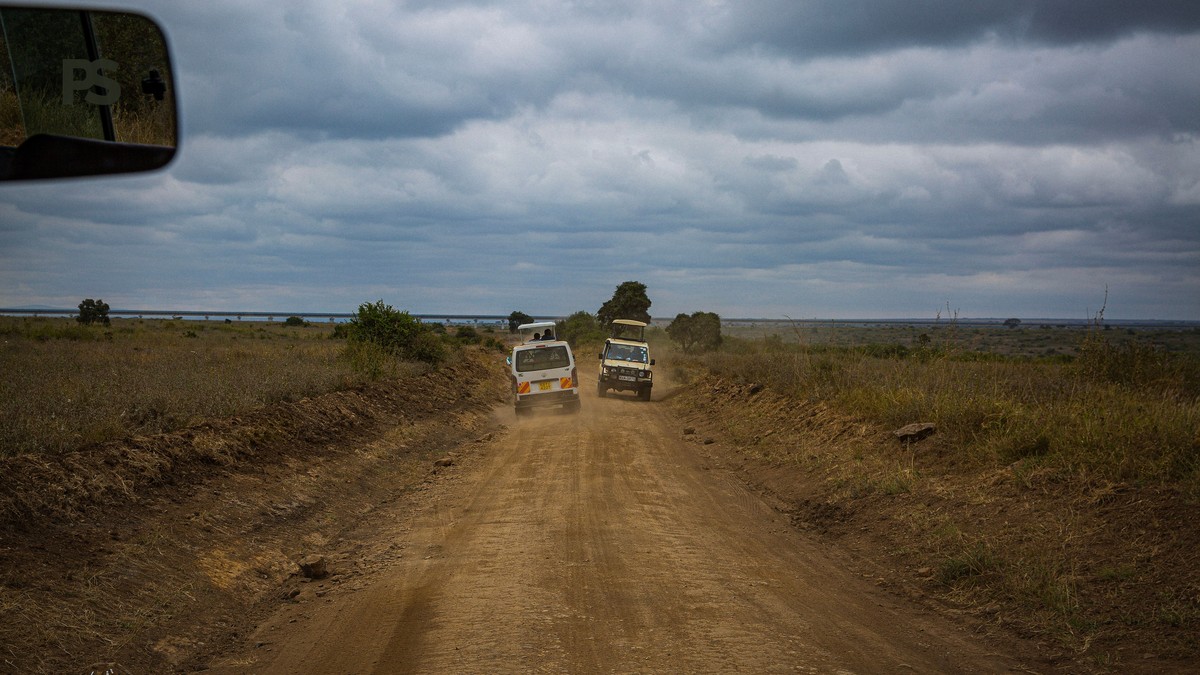
Between the two parks, the road takes a toll. The Maasai Mara to Amboseli leg can take about eight hours by road. Nairobi to the Maasai Mara takes about five to six hours. Amboseli back to Nairobi takes four to five hours. These distances are why operators suggest flights for at least one segment.
| Route segment | Road time (indicative) | Flight option (indicative) | Practical tip |
|---|---|---|---|
| Nairobi to the Maasai Mara | About 5 to 6 hours via Narok and Sekenani | About 45 to 60 minutes to a Mara airstrip | Fly if your total trip is seven nights or fewer |
| Maasai Mara to Amboseli | About 8 hours, often with a lunch stop | No direct scheduled flight; ask about a light aircraft charter | Avoid a road day here unless you have spare time |
| Amboseli to Nairobi | About 4 to 5 hours via Emali | About 60 minutes to Wilson Airport | Fly if your international departure is the same day |
If sitting in a car for eight hours bothers you, fly between the parks. Your game drive time matters more than the shortest line on a map.
Step 4: Give yourself at least five full game-drive days
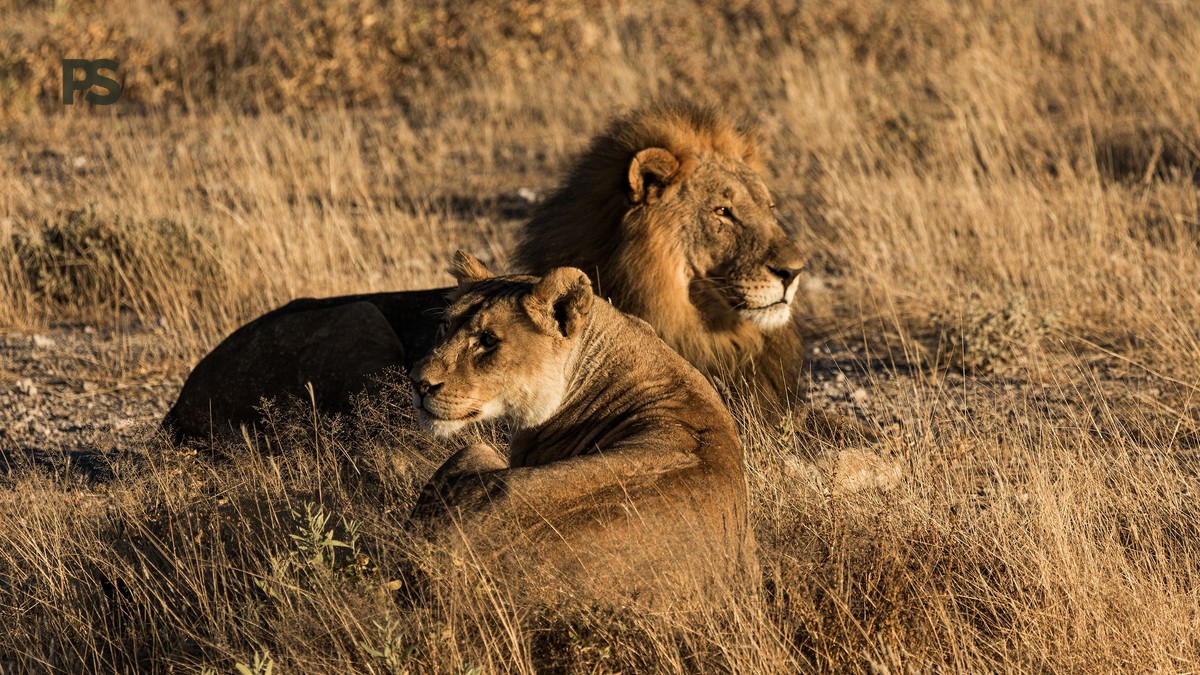
Plan seven to nine nights for a first Kenya safari. That leaves at least five full game-drive days after accounting for transfers. Five nights can work if you stay in one park. Seven nights is the right size for two destinations.
Time is more valuable than distance on safari. If your calendar allows only a single Nairobi day, check whether one day is enough to see the Big Five before booking a long transfer. Many first-timers finish their first week and start planning another one. That future trip may lead north, perhaps a Laikipia walking and riding safari. For now, keep this first route simple.
Step 5: Arrange the Kenya eTA early
Chinese passport holders need Kenya’s Electronic Travel Authorisation before departure. Apply through the official online government system. This is not a visa-on-arrival process. Complete the application early, and keep a printed copy with your passport.
Make travel insurance a condition, not an afterthought. Ask your operator to book domestic flights at the same time as your camps. Mara airstrips connect to daily safari schedules, and a missed connection can cost you half a day.
Step 6: Check 2026 park fees in your quote
Park fees changed in October 2025, so older blog prices will mislead you. Current non-resident rates on the classic route:
- Maasai Mara National Reserve: USD 100 per adult per day from January to June. From July to December, the fee is USD 200 per adult per day. Narok County runs this reserve, not Kenya Wildlife Service.
- Amboseli National Park: USD 90 per adult per day.
- Naboisho Conservancy or Mara North Conservancy: roughly USD 80 to 150 per person per night. These private-reserve fees are bundled into lodge rates.
This is a strong reason to ask for itemized quotes. Some itineraries quote a daily safari rate without park fees. Others include them. Only the written quote tells you which.
Step 7: Verify inclusions before you pay (your kenya safari planning guide mandarin speakers checklist)
Request an itemized quote showing accommodation, meals, vehicle, standard guide, Mandarin supplement or interpreter, park fees, conservancy fees, flights, airport transfers, and exclusions. Confirm who will drive and who will interpret. If the quote says Chinese-speaking guide without naming a person or operator, ask for the backup plan.
A promise made on a call must appear in the written agreement. Treat Mandarin support as a line item, not a slogan. Plain Safaris works the same way on our small-group safaris. The written plan names the camps, the vehicle, and the guide arrangement. Plain Safaris also confirms language support before we accept a deposit.
Choose your first scene before you compare operators
Before you open more tabs, name the scene your group cannot miss. Is it a Mara river crossing between July and October? Is it elephants walking with Kilimanjaro behind them in Amboseli? Let that answer choose your extra nights.
When you know the scene, bring it to the Plain Safaris trip planner and ask for a draft route with named camps, a named guide, and every fee written out. Compare that route against the steps above. Then the planning part is done, and the safari begins.