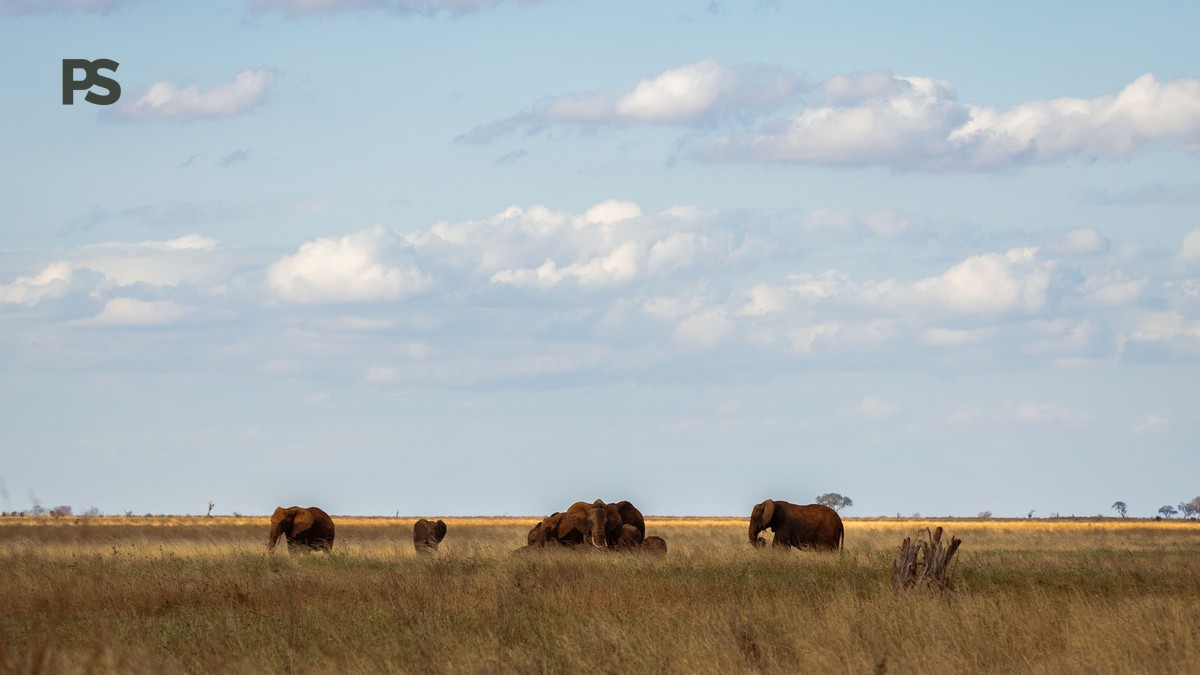
Kenya safari planning for Bengali speakers comes down to three puzzles: the route, the cost, and the language support. You have the dream, the dates, and the camera ready. I have spent years driving these roads, from the dusty plains of Amboseli to the river crossings of the Mara. Let me make the planning part easier.
A balanced first safari needs seven nights. Spend one night in Nairobi to recover, three nights in the Masai Mara, two nights in Amboseli, and one final night in Nairobi before you fly home. If you want Lake Nakuru, add a night and cut one from somewhere else. This route keeps most drive times under five hours.
| Stop | Nights | What You See | Non-Resident Entry Fee |
|---|---|---|---|
| Nairobi | 1 | City arrival, rest day | No park fee |
| Masai Mara National Reserve | 3 | Big cats, open plains, July-September migration | USD 100 Jan to Jun, USD 200 Jul to Dec |
| Amboseli National Park | 2 | Elephant herds, Kilimanjaro views, swamps | USD 90 |
| Lake Nakuru or Nairobi | 1 | Rhinos and flamingos, or easy airport access | Lake Nakuru USD 90, Nairobi National Park USD 80 |
The Masai Mara is run by Narok County, not KWS. Its fee changes with the seasons. From January to June you pay USD 100 per adult per day. From July to December you pay USD 200 per day because that is peak migration season.
The drive from Nairobi to the Mara via Narok is about 250 kilometers and usually takes five hours. Enter at Sekenani Gate when coming from the east. Amboseli back to Nairobi is about 240 kilometers and takes four hours. For quieter mornings, ask about camps in Naboisho or Mara North Conservancy. Their fees are bundled into lodge rates, roughly USD 80 to 150 per person per night.
Kenya Safari Planning for Bengali Speakers: Guides and Interpreters
Native Bengali-speaking driver-guides are uncommon in Kenya, so the most dependable setup is a certified English-speaking safari guide plus a dedicated Bengali interpreter traveling in the vehicle. The interpreter can translate wildlife commentary, assist with lodge check-ins and menus, and help during cultural visits.
A full-time interpreter costs about USD 50 to 100 per day. If your safari company bundles language support, ask exactly what that includes. Phone-based translation sounds clever, but it fails on a bumpy track with a lion 20 meters away. A live interpreter keeps the experience fluent.
Plain Safaris uses this guide-plus-interpreter model on its small-group safaris. You keep the same team through the whole circuit. That matters when your children have questions at breakfast, or when you need to explain a food allergy to a chef in a tented camp.
If your travel group also includes Hindi speakers, our Kenya safari guide for Hindi speakers explains the same route. For birders who use Marathi, the Kenya safari birding guide for Marathi speakers covers wetland sites like Amboseli and Lake Nakuru.
How Much Does a Kenya Safari Cost from Bangladesh?
A seven-night mid-range Kenya safari commonly costs about USD 3,200 to 4,800 per person for land arrangements, excluding international flights. At approximately 120 BDT per USD, that equals roughly 384,000 to 576,000 BDT. Add about USD 50 to 100 per day for a dedicated Bengali interpreter unless language support is already bundled into the quotation.
International flights from Dhaka may add about 80,000 to 120,000 BDT. That figure depends on the season and how early you book. Most lodges include full board, which means breakfast, lunch, dinner, and sometimes afternoon tea. Park fees are often listed separately in the quotation.
For dry weather and fewer crowds, January, February, and October are the best months. July through September gets the migration atmosphere in the Mara, but prices rise and camps book out. Families with young children often prefer the quieter shoulder months.
Do Bangladeshi Citizens Need an eTA for Kenya?
Yes, Bangladeshi citizens should obtain Kenya’s electronic travel authorization before flying. Apply online at least two weeks before departure, keep a passport valid for six months, and have accommodation and onward-travel evidence ready. The indicative fee is around USD 30 to 35, subject to confirmation.
From Dhaka, practical one-stop routes connect through Doha, Dubai, or Mumbai. You land at Jomo Kenyatta International Airport, about 20 minutes from the city center when traffic is light. For a full step-by-step walkthrough, see our Kenya safari visa guide for Bengali speakers.
Health preparation also matters. Most safari parks lie in malaria zones. Talk to your doctor about prevention, and carry your yellow fever certificate. Safari lodges can provide halal and vegetarian meals if you request them at booking. Many camps accept children from age six or seven, but policies vary. Ask about family tents, early dinner times, and daybed options.
What to Confirm Before You Pay
Before paying, request one written quotation that lists the certified driver-guide, the Bengali interpreter, the vehicle, parks, accommodation, park and conservancy fees, meals, tips, transfers, and emergency backup. Confirm whether the interpreter rides in the vehicle. If the interpreter cannot travel with you, ask what the backup plan is. Language support is the main service difference for Bengali-speaking travelers.
Small-group safaris make this easier to confirm, because one written plan covers everyone in your party instead of a shifting mix of vendors. Ask for the plan in writing before you commit any deposit.
Ready to Start Planning?
Picture the moment you step off the vehicle in the Mara. Which sound reaches you first: a lion calling at sunrise, or an elephant herd moving through the grass toward Kilimanjaro? Kenya can give you both in one week, and a named Bengali interpreter can help you understand every bit of it.
When you plan with Plain Safaris, you get a named guide and interpreter before you leave. Small-group safaris keep that pairing consistent, so the same faces greet you from Nairobi to the Mara. Contact Plain Safaris and we will send a written itinerary with transparent costs.