
You have booked the family safari. The kids are excited. The grandparents are packing binoculars. Then someone asks: what about malaria?
This Kenya safari malaria guide German speakers trust answers that question honestly. It is the most common question I get from German-speaking travelers. And it deserves better than a quick checklist. This guide combines real safari planning with the clinical facts you need. No scare tactics, no vague advice. Just what works on the ground.
Malaria Risk by Region and Season: The Kenya Safari Malaria Guide German Speakers Need
Kenya is not one malaria zone. The risk depends on altitude, rainfall, and season. Most safari circuits visit places with very different profiles.
The Masai Mara sits at about 1,500 meters. Malaria risk is seasonal and lower than the coast, but it exists. The risk peaks after the long rains, from May to June, and again after the short rains, from November to December. The dry months of July to October are safer, but not risk-free.
Amboseli National Park, near the Tanzanian border, has a moderate year-round risk. Tsavo East and Tsavo West are similar. Lower altitude means more mosquitoes.
Samburu National Reserve and Buffalo Springs, north of Mount Kenya, are dry and hot. Malaria transmission is lower than the coast or Lake Victoria, but still present. Short rains from November to December can increase mosquito numbers.
Nairobi sits at 1,795 meters. The World Health Organization considers the city low risk. The central highlands, including Nyeri and Nanyuki, are similar. The coast, including Mombasa and Diani, has high year-round risk. Lake Victoria and western Kenya have the highest risk in the country.
If your safari stays above 1,800 meters, your risk drops significantly. This matters for families. Some conservancies sit at that altitude.
Malaria-Free and Low-Risk Safari Destinations
There is no completely malaria-free safari destination in Kenya. But there are low-risk zones. The Laikipia Plateau is one. It sits at 1,800 to 2,100 meters. The air is cooler, and mosquito activity is lower.
Loisaba Conservancy, in northern Laikipia, gets few cases of malaria. The same is true for Ol Pejeta Conservancy and Lewa Wildlife Conservancy. These private conservancies also cap visitor numbers. You get a quieter safari. The Big Five density is lower than the Masai Mara, especially for lions. But you gain space, privacy, and a different landscape.
I am honest with families about the trade-off. If you must see a river crossing of wildebeest in the Mara, you accept the malaria risk. If your priority is a relaxed trip with fewer pills and nets, consider Laikipia.
For this reason, I often recommend a split itinerary. Start in Laikipia, then fly to the Mara for the final three days. Your malaria exposure stays limited.
Choosing a Prophylaxis Medication: Malarone vs. Doxycyclin vs. Lariam
German doctors recommend three options for Kenya. Each has different pros and cons.
| Medication | Active Ingredient | Dosing | Common Side Effects | Approx. Cost (30 days, German pharmacy) |
|---|---|---|---|---|
| Malarone | Atovaquone/Proguanil | 1 tablet daily, start 1-2 days before, continue 7 days after | Nausea, headache, stomach pain | 70 to 110 EUR |
| Doxycyclin | Doxycycline | 1 capsule daily, start 1 day before, continue 4 weeks after | Sun sensitivity, stomach upset, yeast infections | 15 to 25 EUR |
| Lariam | Mefloquine | 1 tablet weekly, start 2-3 weeks before | Dizziness, nightmares, anxiety, rare psychiatric effects | 30 to 50 EUR |
Malarone is the most common choice for safaris. It has mild side effects and a short after-travel period. It costs more, but the convenience is worth it for many families.
Doxycyclin is cheaper. But it makes your skin more sensitive to the sun. On a safari, you are in the sun all day. Apply strong sunscreen and wear a hat. Women on Doxycyclin may get yeast infections, which are annoying on a long trip.
Lariam is weekly, which some travelers prefer. But the psychiatric side effects, including vivid dreams and anxiety, are a dealbreaker for many. I never recommend it for young children or for anyone with a history of depression.
Standby Therapy vs. Continuous Prophylaxis
Some travel doctors suggest standby therapy. You carry a treatment dose and take it only if you get symptoms. This is not ideal for most Kenya safaris.
The reason is simple. Malaria symptoms can appear 7 to 14 days after a bite. If you take standby therapy while still in Kenya, you still need medical follow-up. You also risk misdiagnosing the illness. Fever in the tropics is not always malaria.
Continuous prophylaxis is safer for families. It protects you from day one. If you plan to visit the Masai Mara or Amboseli, take the daily pills. Rescue medication only makes sense if you are a very experienced traveler with tight logistics.
When and Where to Get Travel-Medicine Advice
Book your travel-medicine appointment 4 to 6 weeks before departure. This timing allows enough days for any vaccinations. It also gives you time to start Lariam if you choose it.
In Germany, specialized travel doctors are called Tropenmediziner. Many public health offices offer travel clinics. Your family doctor can also prescribe the pills.
Bring your itinerary to the appointment. The doctor needs to know your exact route and altitudes. A safari through Laikipia and Nairobi may need a different plan than a coast-and-Mara trip.
Cost of Malaria Medication in Germany vs. Kenya
German pharmacies sell malaria pills at fixed prices. But there are differences.
| Medication | Germany (pharmacy) | Kenya (Nairobi pharmacy, indicative) |
|---|---|---|
| Malarone (30 tabs) | 70 to 110 EUR | 40 to 60 USD |
| Doxycyclin (30 tabs) | 15 to 25 EUR | 10 to 20 USD |
| Lariam (4 tabs) | 30 to 50 EUR | 20 to 35 USD |
Buying in Kenya is cheaper, but I do not recommend it. You want the medication before you fly. You also need to test it for the correct dose and batch. German pharmacy quality control is reliable. Buy at home.
Many German private insurance plans reimburse malaria prophylaxis. Public insurers often do not cover it. Check your policy. Some public insurers cover it if you have a chronic condition. Ask your doctor to write a prescription with a named drug. This makes reimbursement easier.
The Plain Safaris Difference
Our job is not just to book lodges. We help you plan a route that balances malaria risk with wildlife quality. We know which camps have screened windows, insecticide-treated nets, and air conditioning. We also know which conservancies keep vehicle numbers low.
For families, we recommend the Laikipia conservancies as a first stop. Lodges like Loisaba Tented Camp and Ol Pejeta’s Sweetwaters Serena Camp have strong mosquito protocols. They are also excellent for children.
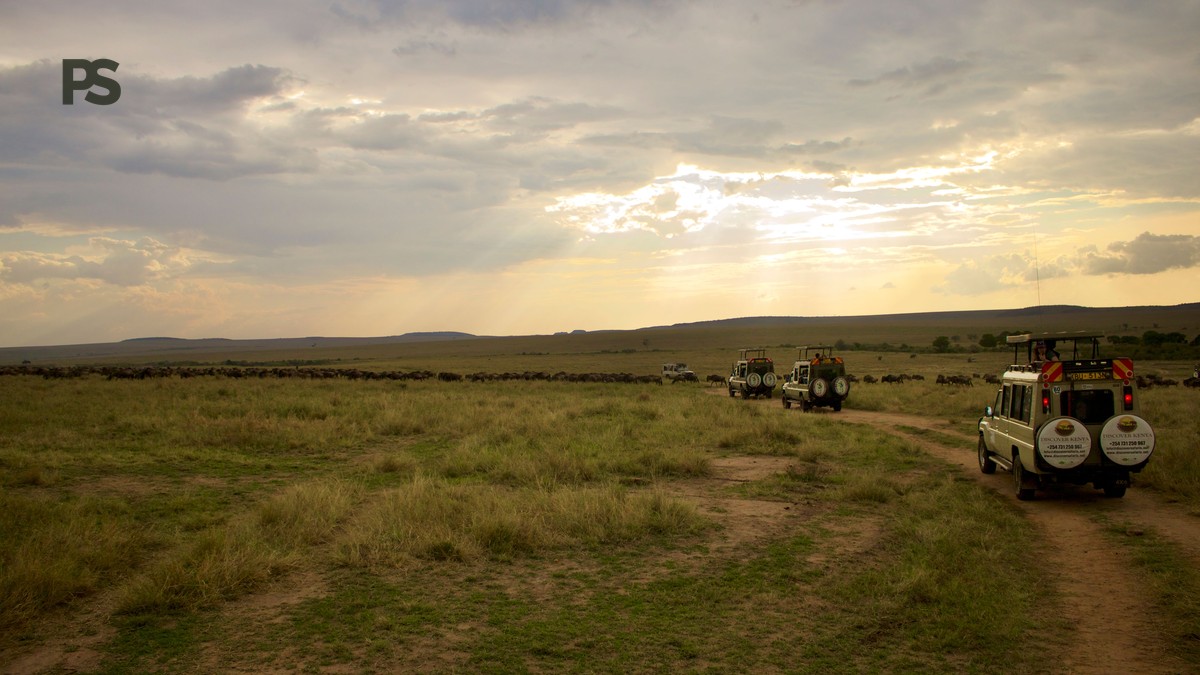
Then we fly you to the Mara for the migration. We use private conservancies like Naboisho and Mara North, where vehicle limits mean you see wildlife in peace. These conservancies bundle park fees into the lodge rate. Expect roughly USD 80 to 150 per person per night on top of the room rate. The Mara National Reserve itself costs USD 200 per adult per day from July to December.
This two-part approach reduces your malaria exposure without sacrificing the safari highlights. It also paces the trip well. One relaxed week in Laikipia, then a focused few days in the Mara, is easier for kids and grandparents than a relentless multi-park marathon.
Yellow Fever and Other Recommended Vaccinations
Kenya requires a yellow fever certificate if you arrive from a country with risk. Direct flights from Germany do not require it. But I recommend the vaccine anyway. The risk in Kenya is low, but the certificate helps at land borders.
Other recommended vaccinations include hepatitis A, typhoid, and tetanus. Depending on the season, doctors may suggest polio and cholera boosters. Rabies vaccination is worth considering for families. Kids may not tell you about a monkey scratch. A pre-exposure series gives peace of mind.
Malaria Prevention for Families and Children
Children can take Malarone if they weigh over 11 kg. The dose comes in pediatric tablets. Doxycyclin is only for children over 8 years old. Lariam is allowed after a careful risk assessment.
Mosquito nets are the real protection. Most lodges provide them. But check the room carefully. A net with holes is useless. Use a travel net if you are unsure.
Insect repellent with DEET (30 percent) is the standard. Apply it after sunscreen. Reapply after swimming. Cover arms and legs at dusk. Light-colored long-sleeved clothing works best.
For infants under 11 kg, there is no suitable malaria pill. The only protection is mosquito avoidance. For this reason, I advise families with infants under 6 months to stay in low-risk areas like Laikipia. Avoid the Mara and the coast entirely.
Travel Insurance and Medical Evacuation Coverage
Malaria treatment in Kenya is good in Nairobi, but worse in rural areas. If you get severe malaria, you need to reach a good hospital. This can require an evacuation.
Buy travel insurance with medical evacuation coverage. Check the fine print for the maximum amount. A helicopter evacuation from the Masai Mara to Nairobi costs between USD 3,000 and 7,000. Make sure your policy covers at least USD 100,000.
German travelers often use ADAC or a specialized travel insurer. Confirm that malaria is covered as a medical condition. Most do, but always ask.
FAQ: Quick Answers for the Road
Braucht man für eine Kenia-Safari eine Malaria-Prophylaxe? Yes, if you visit the Mara, Amboseli, Tsavo, or the coast. No, if you stay only in Nairobi or the highlands.
Welches Malaria-Medikament ist für Kenia am besten? Malarone is the best balance of safety and convenience for most travelers.
Wie teuer ist die Malariaprophylaxe? Plan 70 to 110 EUR for a month of Malarone in Germany.
Übernimmt die Krankenkasse die Kosten? Private insurers often do. Public insurers rarely do.
Gibt es malariafreie Gebiete? There is no zero-risk zone, but Laikipia and the highlands are low-risk.
Wann sollte ich zum Tropenmediziner? Four to six weeks before departure.
Wie hoch ist das Malariarisiko in der Masai Mara? Seasonal and moderate. Higher after the rains.
Standby-Therapie oder durchgehende Prophylaxe? Continuous prophylaxis for families.
Nebenwirkungen von Malarone und Lariam? Malarone is mild. Lariam can cause anxiety and nightmares.
Braucht man eine Gelbfieberimpfung? Not for direct flights, but recommended.
Safari mit Kindern sicher? Yes, with the right planning and low-risk areas.
Wie schützt man sich vor Mückenstichen? DEET repellent, nets, long sleeves, and screened lodges.
Beste Reisezeit, um Risiko zu minimieren? The dry season from July to October is best for the Mara and lower mosquito numbers.
Kann man Standby-Medikament in Kenia kaufen? Yes, in Nairobi pharmacies. But buy before you leave.
Plan Your Trip With Plain Safaris
A safari should not be a health risk. It should be a family memory. Let me help you build an itinerary that fits your comfort level.
We know the malaria-safer camps in Laikipia and Loisaba. We know how to pace a multi-day circuit between parks without exhausting anyone. And we know the honest trade-offs, because we drive these roads ourselves.
Start your planning today. With the right medication and the right route, you can relax. Focus on the sunrise over the savanna, the first lion sighting, and your family smiling together.
Contact Plain Safaris to plan your Kenya safari.