
October sits in an odd spot on the Kenya safari calendar. The peak migration crowds of August have thinned out, but the short rains haven’t quite arrived. If you’re planning a Kenya safari in October and want the real story on weather and wildlife, here’s the honest version, not the brochure one.
Kenya Safari Weather in October
October is a transition month. The long dry season that runs from June through September starts giving way to the short rains, usually in the last two weeks of the month. Expect daytime highs between 24°C and 27°C (75°F to 81°F) across most safari areas, with cooler mornings around 13°C to 15°C (55°F to 59°F).
Rainfall builds slowly through October. Early in the month, most regions see less than 30mm for the whole two weeks. By late October, short afternoon showers become more common, and monthly totals can reach 60mm to 90mm depending on the region. These aren’t the drenching, all-day rains of April. They’re usually short, heavy bursts that clear within an hour, followed by strong sun.
Humidity stays low compared to the coast. Skies are often a mix of sun and building cumulus clouds by afternoon, which makes for dramatic light during evening game drives.
Regional Weather Breakdown
Kenya is a big country, and October weather varies more than people expect between regions.
Nairobi sits at 1,795 meters, so it stays mild. Daytime temperatures hover around 24°C, with light rain possible most afternoons by mid-month.
The coast (Mombasa, Diani) is warmer and more humid, typically 27°C to 31°C, with rainfall starting to pick up toward the end of October ahead of the November short rains.
The Maasai Mara stays dry longer than most regions. Daytime temperatures run 25°C to 28°C, and grass is still short and golden from the dry season, which makes game viewing easier.
Amboseli is hot and dry, often the driest of Kenya’s major parks in October, with clear views of Mount Kilimanjaro on cloud-free mornings.
Laikipia and northern Kenya (Samburu, Meru) run slightly cooler at higher elevation, with dry riverbeds still low, which concentrates wildlife near permanent water.
Wildlife and Great Migration Status
This is the question most first-time travelers ask, and it deserves a direct answer. By October, a large share of the wildebeest and zebra herds that crossed into the Maasai Mara from Tanzania’s Serengeti in July and August are beginning to move south again. The dramatic river crossings at the Mara River are far less predictable by mid to late October than they are in August or September.
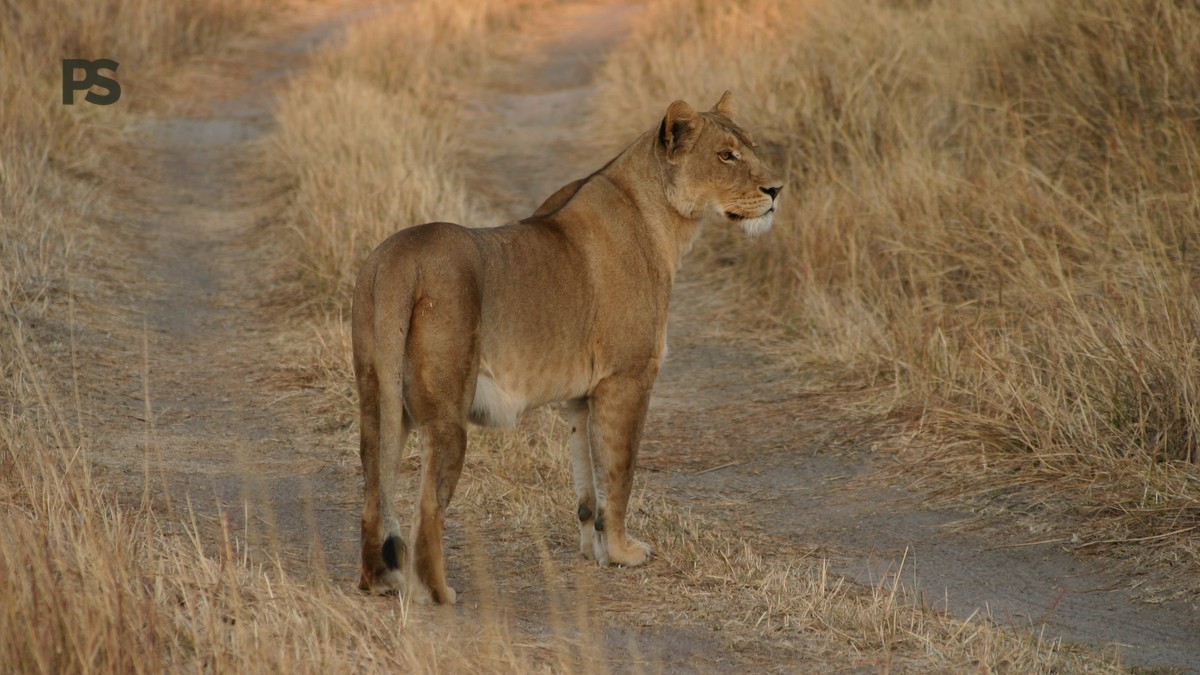
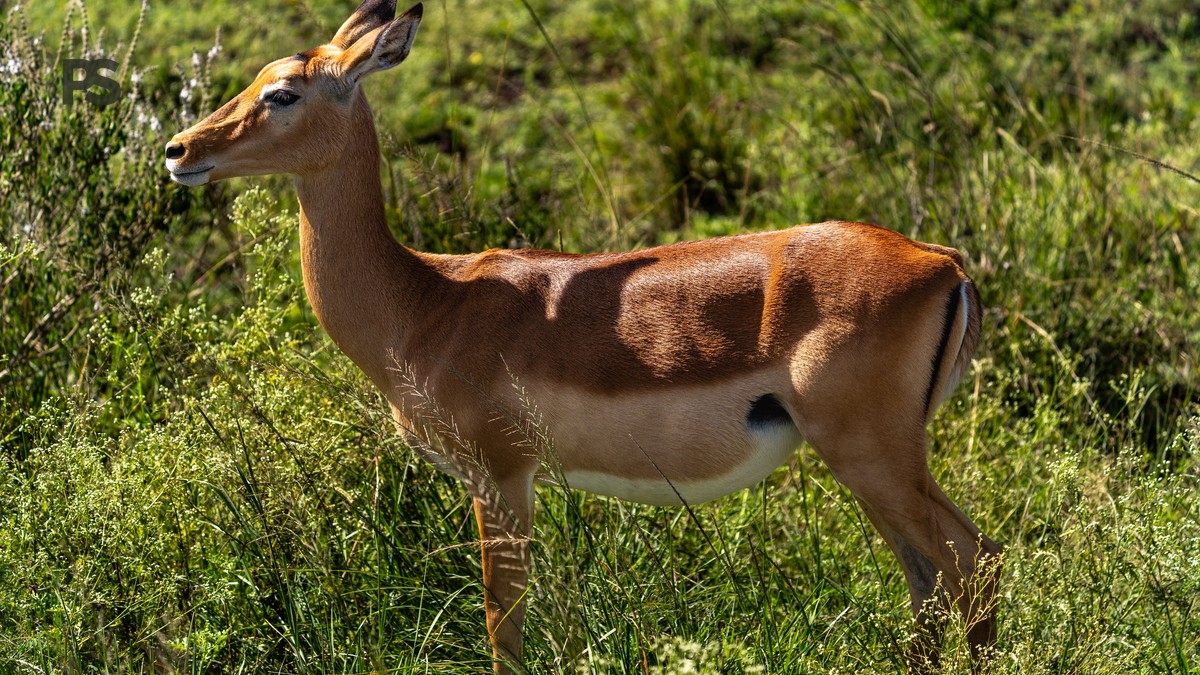
That doesn’t mean the Mara goes quiet. Resident wildlife stays year-round: lion prides, elephants, giraffes, and large herds of topi and Thomson’s gazelle. Big cat sightings are often better in October because grass is shorter after months of grazing, and there’s less vehicle traffic chasing the herds. If you want to understand exactly how the timing shifts, it helps to compare how September compares for weather and crowds against October, since the herds are usually still concentrated in the Mara through most of September.
Amboseli, Tsavo, and Samburu don’t depend on the migration at all. Their elephant herds, big cats, and birdlife are strong in October because dry conditions push animals toward rivers, swamps, and waterholes, making sightings more concentrated and easier to predict.
Best Parks to Visit in October
Here’s how the main options compare, with real distances and current entrance fees.
| Park/Reserve | Distance from Nairobi | Drive Time | Non-Resident Entry Fee (Oct 2026) |
|---|---|---|---|
| Maasai Mara National Reserve | ~270 km | 5-6 hrs by road, ~45 min flight | USD 200/adult/day (Jul-Dec peak rate) |
| Amboseli National Park | ~240 km | ~4 hrs by road, ~35 min flight | USD 90/adult/day |
| Tsavo East / Tsavo West | ~240 km | ~3.5-4 hrs by road | USD 80/adult/day |
| Lake Nakuru National Park | ~160 km | ~2.5-3 hrs by road | USD 90/adult/day |
| Samburu National Reserve | ~325 km | ~6 hrs by road, ~1 hr flight | Indicative range: USD 70-100/adult/day |
Note the Mara’s fee jump. The Narok County Government, which runs the reserve (not the Kenya Wildlife Service), charges its peak-season rate of USD 200 per adult per day from July through December, October included. That’s worth factoring into your budget alongside conservancy rates, which run roughly USD 80 to 150 per person per night in places like Naboisho or Mara North, on top of lodge fees.
For first-timers weighing the Mara against Amboseli, it often comes down to priorities. The Mara has more predator density and open plains for game drives. Amboseli has smaller crowds, lower fees, and Kilimanjaro views that photograph beautifully at sunrise. Many travelers end up doing both rather than choosing, and combining the Maasai Mara and Amboseli in one trip works well logistically, since a light aircraft connects the two in under an hour without routing back through Nairobi.
Crowds and Cost
October counts as shoulder season, sitting between the high-season crush of July through September and the rainy low season of November. Camps in the Mara and Amboseli often drop rates by 10% to 20% compared to peak August pricing, especially in the second half of the month once the migration crossings become unreliable.
You’ll notice the difference at popular viewpoints. Vehicle numbers at Mara river crossing sites, when they do happen, are lower than in August. Private conservancies bordering the reserve, like Mara North and Naboisho, cap vehicle numbers per sighting by policy, so game drives feel less crowded regardless of the month.
The tradeoff is real: you give up guaranteed river crossings for lower rates and thinner crowds. If a crossing is the one image you need from your trip, September is the safer bet. If you want strong resident wildlife viewing without competing for space at every sighting, October delivers.
Activities Beyond Game Drives
October’s drier mornings and building afternoon clouds make it a strong month for more than just drives.
- Hot-air balloon safaris over the Mara run most mornings, weather permitting, typically USD 450-550 per person including a bush breakfast landing.
- Walking safaris in Laikipia conservancies, guided by armed rangers, work well since ground conditions are still firm before the rains soften trails.
- Birdwatching picks up as migratory species begin arriving ahead of the short rains, particularly around Lake Nakuru and Lake Naivasha.
- Cultural visits to Maasai villages near the Mara conservancies run year-round and pair naturally with an afternoon game drive.
What to Pack for October
Mornings are cool enough for a fleece or light jacket, especially on open vehicles before sunrise. Afternoons warm up fast, so layers matter more than heavy clothing. Pack a light rain jacket for the possibility of a short afternoon shower, especially if you’re traveling in the back half of the month. Neutral colors (khaki, olive, brown) work better than bright colors or black, which can attract tsetse flies in some areas. Bring sunscreen and a hat regardless of cloud cover, since equatorial sun is strong even on overcast days.
The Plain Safaris Difference
We don’t send every client to the Mara in October just because it’s the famous name. If you’re traveling with young kids, we’ll often route you toward Amboseli or a Laikipia conservancy first, where drive times between activities are shorter and the pace is gentler. If big cats and open plains are your priority, we know which conservancy gates keep vehicle numbers low even during the busier months, and which lodges sit close enough to good game-viewing loops that you’re not spending two hours a day just driving to the action.
We’ve watched what happens once the short rains actually set in, and we can tell you honestly what changes once November’s short rains set in if you’re weighing October against the following month. Our recommendations come from time spent on these roads, not just a rate sheet.
Ready to Plan Your October Safari?
October rewards travelers who want strong wildlife viewing without August’s crowds or budget. If that sounds like your trip, we’d like to help you build it. Take a look at our Kenya safari packages or get in touch through our contact page to start planning.