
Searching for a “kenya safari guide bengali speakers” usually brings back very few names. That is normal. Kenya has excellent guides, but almost all of them work in English and Swahili. A smaller number speak German, French, Spanish, Mandarin, or Hindi. Native Bengali-speaking driver-guides are rare. The working solution is a licensed English-speaking guide plus a Bengali interpreter or tour escort in your vehicle. This post explains what that costs, how to book it, and how to plan seven days in Kenya without stress. You will also get current park fees and the exact questions to ask before paying.
kenya safari guide bengali speakers: is one available?
Native Bengali-speaking driver-guides are exceptionally uncommon in Kenya. The dependable arrangement is a licensed English-speaking safari guide who handles wildlife interpretation and driving, plus a Bengali interpreter or tour escort who travels with the group. Confirm the interpreter’s presence, language ability, and backup plan in writing before paying.
Most Kenyan operators use guides certified by the Kenya Professional Safari Guides Association. Their training covers tracking, bird identification, ecology, and safety. The certificate is in English. Language support comes from a second person in the vehicle. A Bengali speaking tour escort can translate game drives and manage lodge logistics. This person interprets game drives, helps with check-in, reads menus, and manages issues like a pharmacy stop or a delayed flight. If the operator cannot name the interpreter in writing, look elsewhere. Some escorts handle logistics well but struggle to tell detailed wildlife stories, so check language ability for both roles.
Many visitors from South Asia ask about Hindi first. If a Hindi-speaking guide works for your family, read our Kenya safari guide for Hindi speakers as a comparison. For pure Bengali, lock down the interpreter in writing.
An interpreter and a tour escort are not the same. A dedicated interpreter spends the whole stay translating. A tour escort may focus on logistics and use English for wildlife commentary. If only one role is available, decide which matters more for your group.
Bengali interpreter Kenya safari: cost and pricing
A dedicated Bengali interpreter typically adds about USD 50-100 per day, although some operators quote a fixed USD 300-500 language-support fee for a seven-day safari. A complete private safari with guide, vehicle, lodging, park fees, and interpreter commonly costs far more, so request a per-person and per-group breakdown rather than one bundled figure.
| Language support option | Typical cost | What it includes |
|---|---|---|
| Dedicated Bengali interpreter | USD 50-100 per day | Rides in your vehicle, translates every game drive, helps with lodges, menus, and emergencies |
| Fixed seven-day language fee | USD 300-500 total | Operator bundles interpreter support into the package price |
| Translation app with an English guide | Free to low cost | Quick word-for-word translation, no cultural or wildlife context |
The interpreter fee is separate from your main Masai Mara safari cost, which covers the vehicle, guide, fuel, meals, lodging, and park fees. A mid-range tented camp in the Mara runs roughly USD 350-550 per person per night in peak season, and this range varies by camp and date. Ask any operator quoting one bundled price for a per-person and per-group breakdown, so you can see how much goes to lodging, guiding, and language support. That protects you from a vague “language support included” line that disappears later.
Compare your options before booking. A private versus shared Kenya safari costs breakdown shows when a private vehicle makes sense. With an interpreter in the group, a private vehicle is usually the better choice.
Kenya safari itinerary 7 days: Nairobi, Mara, and Amboseli
A practical first safari is seven nights: one night in Nairobi, three nights in the Masai Mara, two nights in Amboseli, and one flexible night for travel or Lake Nakuru. The Mara prioritizes big cats, Amboseli adds elephants and Kilimanjaro views, and the longer stay prevents language-supported travel days from becoming rushed.
| Day | Plan | Park fee per adult per day | Approximate drive time |
|---|---|---|---|
| Day 1 | Arrive Nairobi (NBO), overnight in Nairobi | Optional Nairobi National Park: USD 80 | – |
| Day 2 | Drive to the Masai Mara via Narok | Masai Mara: USD 100 Jan-Jun, USD 200 Jul-Dec | 5-6 hours |
| Day 3 | Full day in the Mara | Same daily reserve fee | – |
| Day 4 | Morning and afternoon game drives | Same daily reserve fee | – |
| Day 5 | Drive to Amboseli via Namanga | Amboseli National Park: USD 90 | 6-8 hours |
| Day 6 | Full day in Amboseli | Same daily fee | – |
| Day 7 | Drive to Nairobi and depart | – | 4 hours |
The Masai Mara reserve is run by Narok County Government, not Kenya Wildlife Service, and the USD 100 and USD 200 rates are the county’s charges. Most lodges inside the reserve include park fees in the quote, so confirm this before booking. Day 2 is a 5-6 hour drive from Nairobi through Narok town, and most camps inside the Mara sit behind Sekenani Gate or Oloolaimutia Gate. Ask which gate your camp uses. Driving from the Mara to Amboseli on Day 5 takes about 6-8 hours by road, often via Namanga. Some travelers book a short flight from Musiara or Ol Kiombo airstrip instead, which saves a travel day and keeps energy high.
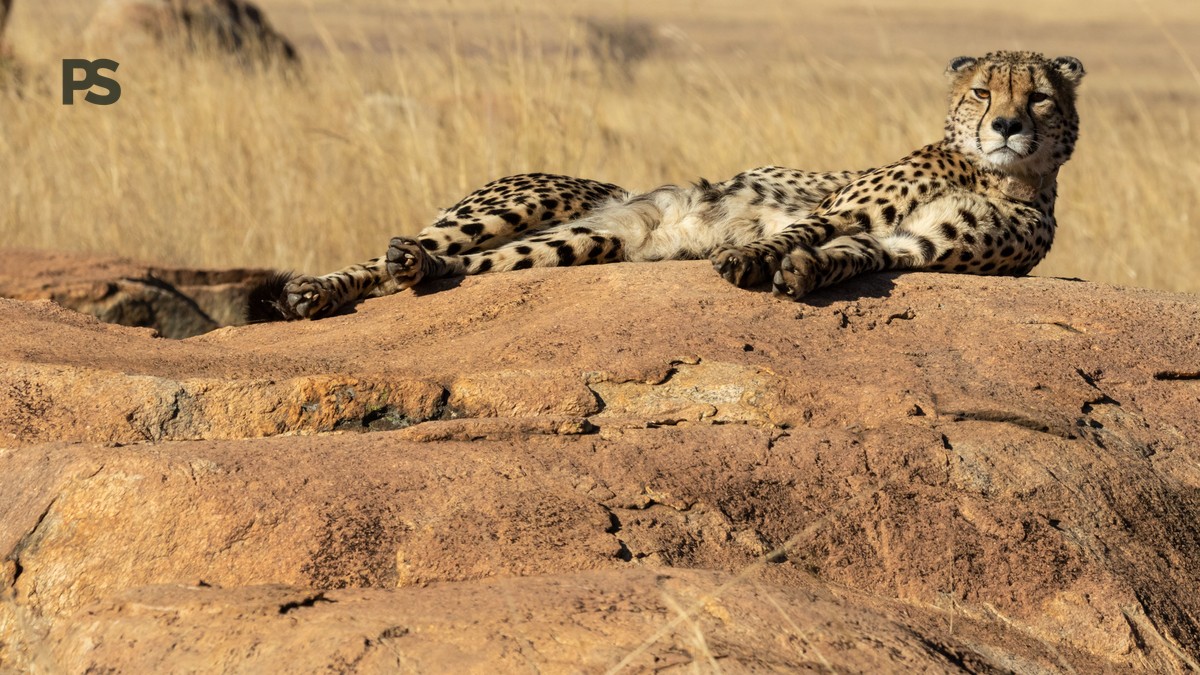
Your flexible seventh night can be Lake Nakuru. The fee there is USD 90 per adult per day, and the park offers rhinos, lions, and flamingos. If you prefer a relaxed end, add that night to Amboseli instead. For a quieter Mara with fewer vehicles, ask about Naboisho Conservancy or Mara North Conservancy. The conservancy fee is bundled into the lodge rate, usually about USD 80-150 per person per night. At first light in those private areas, you may watch a lion pair with no other vehicle in sight.
Amboseli’s morning view from Observation Hill is a classic. Elephants walk the marshes with Kilimanjaro behind them. Afternoon heat sends animals to water, so plan game drives around the cool hours. Your guide knows the pattern.
When to visit Kenya and how to book language support
February and October usually offer a useful balance of wildlife, weather, crowds, and price, while July-September is more expensive and popular for migration viewing. Request Bengali support when asking for a quote, verify whether it is a native speaker or interpreter, confirm the named person, and ask what happens if they become unavailable.
The migration crowds peak from mid-July through September. The reserve fee jumps to USD 200 per adult per day. February brings short grass and good big-cat action. October is a calm window between rains. Both fit a first safari. For thinner crowds and lower prices, check our Kenya safari shoulder-season months. When you request a quote, add the interpreter question up front. Is the interpreter a native speaker? Do they join every game drive? Is the fee included or a daily extra? Who replaces them if they get sick? Get answers in writing. If an operator says “we will arrange it later,” keep looking. Reliable interpreters and conservancy camps fill during high season. Book four to six months ahead for a July or August trip, and two to three months ahead for February or October.
A private conservancy changes the rhythm of the Mara. With capped vehicle numbers, you can follow a leopard sighting without ten cars arriving. If the budget allows, one conservancy night is worth the extra cost.
Kenya safari from Bangladesh: flights, ETA, and health
Bangladeshi travelers should arrange Kenya’s electronic travel authorization before departure, carry a passport valid for at least six months, and verify current health requirements with an official authority. Build in time for Nairobi arrival, carry medication and essential documents in hand luggage, and ask whether the interpreter assists with lodge check-in, menus, and emergencies.
Most flights from Dhaka connect through Doha, Dubai, Abu Dhabi, or Istanbul before landing at Jomo Kenyatta International Airport (NBO). The Kenya ETA for Bangladeshi citizens is an online application. Apply a few weeks before departure. The government sets the fee, with an indicative range of about USD 30-50 depending on processing type. Always check the official Kenya ETA portal, because requirements change. Carry a small medical kit in hand luggage: malaria tablets, diarrhea treatment, antiseptic, and prescription medicine in original boxes. Nairobi sits about 1,700 meters above sea level. Long game drives on rough roads are tiring, so add motion sickness tablets, a travel pillow, and sunscreen. Ask your interpreter to handle lodge check-in, gate forms, and menus.
Consider travel insurance that covers safari activities and emergency medical evacuation. Kenya has good clinics in Nairobi and camp doctors in remote areas, but evacuation coverage gives peace of mind. Keep a digital copy of your passport, ETA, and insurance policy on your phone.
The Plain Safaris Difference
Plain Safaris does not promise a native Bengali driver-guide, because that promise is rarely honest. Instead, we confirm a KPSGA-certified English-speaking guide and name the Bengali interpreter before you pay. Your quote arrives as line items: vehicle, fuel, guide, interpreter days, lodging, park fees, and conservancy fees. No bundled mystery costs. We route the seven-night plan through real drive times and current fees. In the Mara, private conservancies like Naboisho or Mara North keep vehicle numbers low. At Amboseli, we pick camps near the gates so mornings start easy. The interpreter rides with you on every game drive. If they cannot make a day, we tell you before you leave camp and send a trained backup.
Frequently Asked Questions
Are there Bengali speaking safari guides in Kenya?
Native Bengali-speaking driver-guides are rarely available in Kenya. Most travelers use a professional English-speaking guide together with a Bengali interpreter or tour escort who translates commentary and helps with lodge, restaurant, and practical communication.
Can I get a Bengali interpreter for a Kenya safari?
Yes, a dedicated Bengali interpreter can travel in the safari vehicle with your group. Confirm whether the interpreter joins every game drive, whether transport and meals are included, and who replaces them if they become unavailable.
How much extra does a Bengali safari interpreter cost?
A reasonable planning figure is USD 50-100 per day for a dedicated interpreter. Some operators instead bundle language support into a fixed USD 300-500 fee for a standard seven-day safari, so compare the inclusions carefully.
Do I need to speak English to go on a safari in Kenya?
No. Kenya’s safari industry operates largely in English and Swahili, but travelers can manage comfortably with a confirmed Bengali interpreter, tour escort, or translation app. A human interpreter is better for wildlife explanations, cultural context, medical needs, and unexpected changes.
What is the best Kenya safari itinerary for seven days?
A strong seven-day route combines Nairobi, the Masai Mara, and Amboseli: one night in Nairobi, three in the Mara, and two in Amboseli, with the remaining night used for arrival or transit. This balances big-cat viewing, elephants, scenery, and manageable travel time.
Plan your Kenya safari with Plain Safaris
Start with a seven-day quote request. Tell us how many people are traveling, your preferred season, and whether you want a private vehicle. We will send a line-item price with park fees, conservancy fees, and interpreter costs spelled out. Browse our Kenya safari tours to compare routes, or use our contact page with your dates. We will confirm the interpreter arrangement in writing before you book.