
A Kenya birding safari with a non-birding spouse comes down to one question: how do you both get what you want from the same week? You want to sit still at a waterhole for forty minutes waiting for a Pel’s fishing owl to move. Your partner wants to see a lion kill and then get lunch. Both of these are reasonable ways to spend a morning in Kenya. The problem is doing them in the same vehicle, on the same schedule, without one of you quietly resenting the other by day three.
We’ve driven a lot of mixed couples around Samburu, the Mara conservancies, and the Rift Valley lakes. The trips that work aren’t the ones where everyone compromises down to the middle. They’re the ones built around two different paces from the start.
Why Birding and Game Drives Don’t Mix by Default
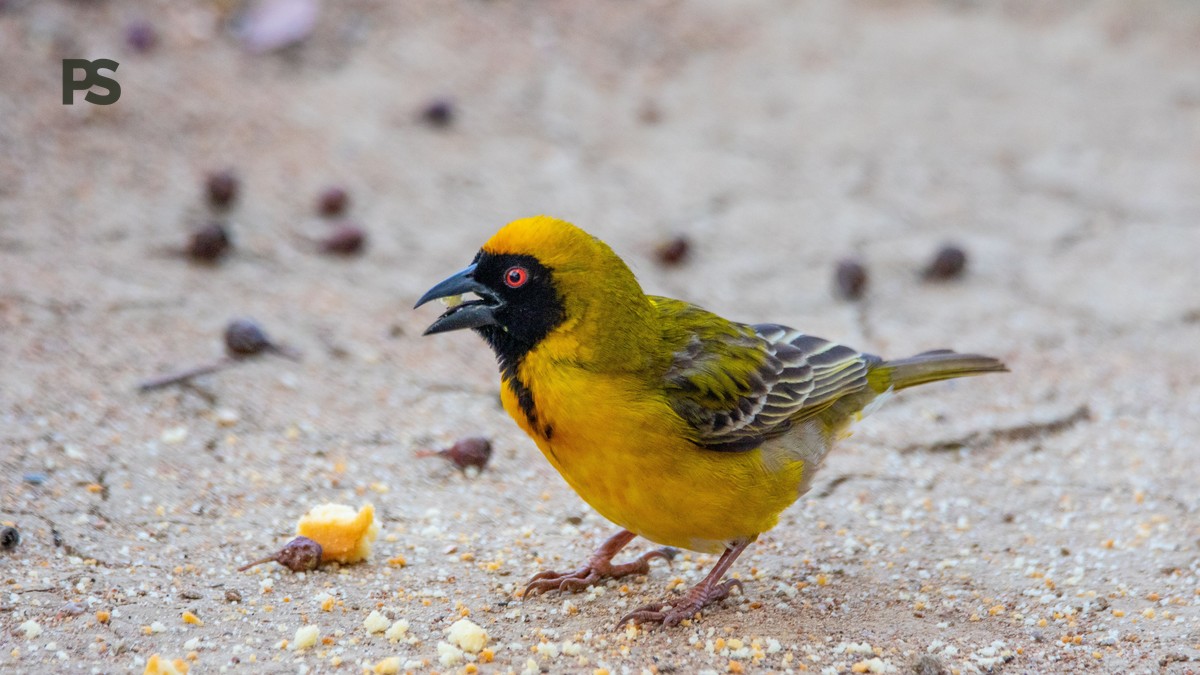
A birder wants to stop the vehicle, cut the engine, and wait. A good sighting might take twenty minutes of patience for one weaver building a nest, or a lucky five seconds for a fast-moving bee-eater. A general game drive runs on a different clock. Guides are scanning for movement, radioing other vehicles, and covering ground to reach a leopard sighting before it moves off.
Put those two rhythms in one shared vehicle with one shared guide, and someone loses. Usually it’s the birder, because “let’s keep moving, we might miss the cats” wins arguments in the moment. Sometimes it’s the non-birder, stuck in a hot vehicle at 6:15am for a bird they can’t see well and don’t especially want to.
Neither outcome is a good use of a safari that costs real money and only happens once every few years for most couples.
Kenya Birding Safari Regions Where a Non-Birding Spouse Wins Too
Some parts of Kenya solve this problem geographically. The birds and the scenery or Big Five sightings sit close enough together that you don’t need a full separate day for either.
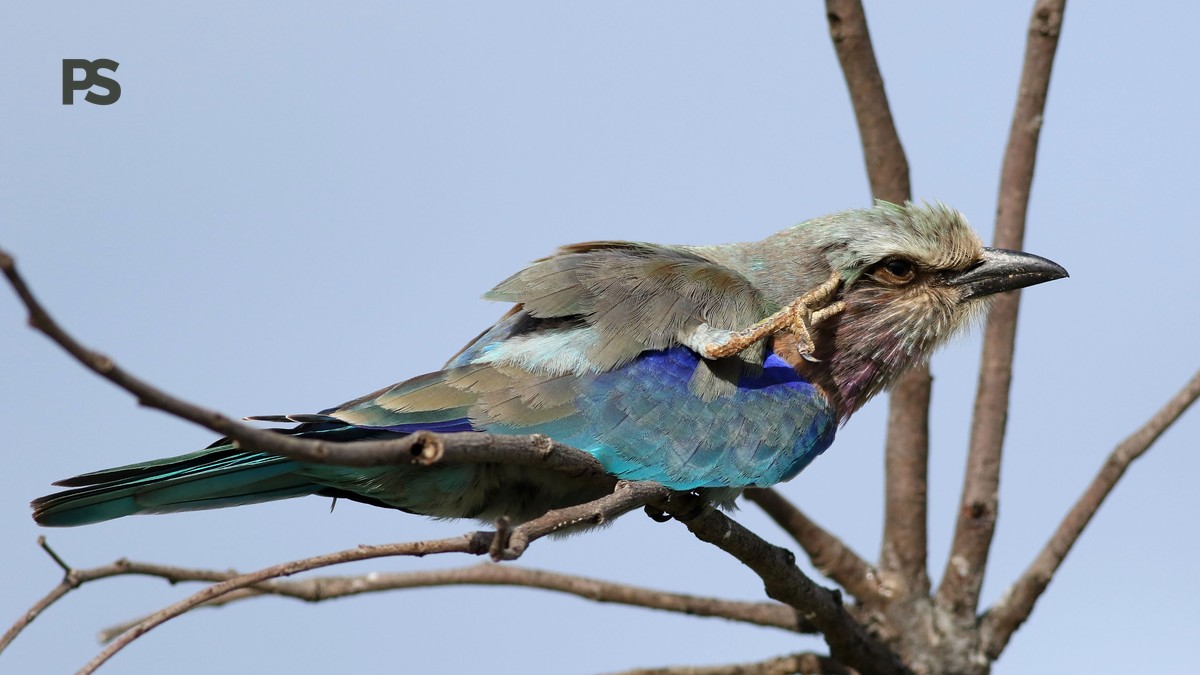
Samburu National Reserve, about 325km north of Nairobi (roughly six hours by road, or under an hour by air to Kalama or Buffalo Springs airstrip), holds specialty birds like the vulturine guineafowl, Somali ostrich, and golden-breasted starling. These aren’t birds you have to sit and wait for. They walk across the open ground near the Ewaso Nyiro River in plain view, often within sight of elephants and the reserve’s dry-country specials like Grevy’s zebra.
Lake Nakuru National Park and nearby Lake Elementaita offer a similar shortcut. Elementaita’s flamingo flocks shift with water levels, so numbers vary year to year, but a stop there is a 45-minute detour off the main Nairobi-Nakuru road, not a full day’s commitment. If you want a flamingo stop at Lake Elementaita built into a wider itinerary, it slots in easily on the way to or from the Mara.
The Masai Mara conservancies, particularly Mara North and Naboisho, keep vehicle density low by capping the number of beds per conservancy. That matters for birders because it means more time parked quietly without three other vehicles crowding a sighting, and it matters for non-birders because the Big Five viewing in these conservancies is excellent.
| Region | Distance from Nairobi | Typical Drive Time | Non-Resident Park Fee | Works for Both? |
|---|---|---|---|---|
| Masai Mara National Reserve | ~270km | 5-6 hours by road, ~45 min flight | USD 100/day (Jan-Jun), USD 200/day (Jul-Dec) | Yes, but book a private conservancy for the quiet birding |
| Mara North / Naboisho Conservancy | ~270km | 5-6 hours by road, ~45 min flight | Roughly USD 80-150/person/night, bundled into lodge rates | Yes, this is the best all-round option |
| Samburu National Reserve | ~325km | ~6 hours by road, ~1 hour flight | Indicative USD 70-100/adult/day, confirm before booking | Yes, specialty birds visible alongside elephants and Grevy’s zebra |
| Lake Nakuru National Park | ~160km | 2.5-3 hours by road | USD 90/adult/day | Yes, short visit works well as a stopover |
| Amboseli National Park | ~240km | 4-5 hours by road, ~45 min flight | USD 90/adult/day | Moderate, better for elephants and scenery than serious birding |
How to Structure Each Day
The daily split that actually works looks like this. Dawn birding from about 6am to 8:30am, before the heat and before the rest of camp is up. This is when birds are most active anyway, so it isn’t a compromise for the birder, it’s the correct time to go.
Mid-morning becomes a shared game drive from around 9am to noon, back in camp for lunch. Both of you are in the vehicle, the pace is normal safari pace, and you’re both watching for whatever comes up.
The afternoon is where you split by choice, not by default. One option for birding, one option for something else. This is where a spa treatment, a guided walk, a cultural visit to a nearby Samburu or Maasai community, or just reading at the pool covers the non-birder’s afternoon while the birder heads out again with a specialist guide.
If you’re the birder in the relationship and want to push this structure further, with longer dawn sessions and dedicated hides, see our serious birders’ planning guide for how a solo or birder-led trip would look different from this one.
Private Vehicle or Shared Game Drive?
This is the practical question that decides most of your budget. A shared game drive, where you’re grouped with other guests in a lodge vehicle, follows the majority’s interest. If most of the vehicle wants Big Five, that’s what happens, and a birder’s requests to stop get overruled.
A private vehicle solves this because you set the pace. The cost difference is real but not huge in context. Expect an indicative extra of USD 50 to 150 per day for a private vehicle and guide, depending on the camp and season, on top of the standard per-person safari rate. For a couple splitting mornings between birding and general game viewing, this upcharge usually pays for itself in reduced friction alone.
Some camps in the Mara conservancies include a private vehicle as standard for stays of three nights or more. Ask directly when booking, since this varies camp to camp and isn’t always advertised upfront.
Do You Need a Specialist Bird Guide?
Not always. Most Kenyan safari guides working in Samburu, the Mara, and the Rift Valley lakes can identify 200 or more species on sight and know the calls. For a couple where one partner is a casual birder rather than someone chasing a life list, a strong general guide covers this well.
If your birder wants help finding skulking species, confirming subspecies, or working a specific target list, book a specialist bird guide for the dawn sessions only. Many camps can arrange this as an add-on for the early outings, then hand back to the regular guide for the shared mid-morning drive. This keeps the extra cost limited to the hours where it matters.
What the Non-Birding Partner Can Do Instead
A dawn birding session doesn’t need to be dead time for the other partner. Most camps offer a slower wake-up option: coffee delivered to the tent, a later breakfast, or a short guided walk closer to camp that covers general wildlife without the early start.
Midday and afternoon options are wider. A spa treatment at camps that offer one, a swim, a visit to a local market or school project, or simply a few hours with a book on the veranda. Evenings are where the day comes back together. A sundowner stop with drinks and snacks as the light drops is one of the easiest wins on any Kenya itinerary, and finding a sundowner spot your non-birding partner will actually look forward to is worth planning into at least two nights of the trip.
Sample 6-Day Mixed Itinerary
A six-night circuit works well for this kind of split. Two nights in a Mara conservancy for the dawn birding and daytime Big Five combination, two nights in Samburu for the dry-country specialty birds and elephants, and two nights around Lake Naivasha or Elementaita for an easier pace and the flamingo detour before flying home from Nairobi. Flights between camps run 30 to 60 minutes on light aircraft, which keeps travel days short and leaves more time for the actual safari.
What to Pack When Only One of You Birds
The birder needs binoculars (8×42 is the standard choice), a field guide or app, and neutral-colored clothing that won’t spook birds at close range. A scope is optional and mostly useful at open water like Lake Nakuru or Elementaita.
The non-birding partner needs less specialist gear and more comfort gear: a good book, sunscreen, a hat, and a swimsuit if the camp has a pool. Both of you need a warm layer for the 6am starts, since Samburu and the Mara both drop close to 10°C before sunrise even in the dry months.
The Plain Safaris Difference
We plan these trips as two people with different goals, not one traveler with a plus-one. That means we build in a private vehicle when the daily split calls for it, we know which camps in Mara North and Naboisho keep guest numbers low enough for real birding time, and we don’t book a specialist bird guide for a full ten days when three dawn sessions would do the job.
We’ve also turned down the joint birding-specialist safari model when it’s the wrong fit. If one partner wants a serious species list and the other wants a relaxed Big Five trip with good food and a pool, forcing both into one guide’s itinerary usually satisfies neither. We’d rather tell you that upfront than sell you a trip that doesn’t work.
Plan Your Trip
If you’re ready to build a Kenya itinerary that works for both a birder and a non-birder, take a look at our Kenya safari packages or get in touch through our contact page to start planning the split that fits you.