
Your plane lands at the Masai Mara airstrip. A camp vehicle meets you on the gravel. The drive to camp takes 20 to 40 minutes, depending on the rain and the herds along the track. You step out, dust settles on your boots, and someone hands you a cold drink. Then the safari briefing begins.
What happens during a safari briefing? It is a short orientation with your guide or safari manager. It happens before activities start, usually at your lodge, camp, or starting point. It covers the practical details of the days ahead. For first-time travelers, this is the moment everything becomes clear.
1. What Happens During a Safari Briefing: Meeting Your Guide
Your guide is the most important person on your trip. At the briefing, they introduce themselves and explain how the vehicle works. They may show you the radio, the window seats, and the roof hatch. They will also tell you how to reach them during the day.
Many Kenyan guides grew up near the parks they work in. A guide in the Mara may have spent years reading animal behavior in the same valleys you will cross. At Plain Safaris, guides work with the same small group for the whole stay. The relationship starts here.
2. Your Safari Itinerary
The safari itinerary is the heart of the session. Your guide walks you through the next days. You hear where you drive, when you leave, how long each drive takes, and where meals and breaks fit. In the Mara, confirm which gate you will use and whether the next game drive starts before breakfast.
You will also hear about transfers. A road transfer from Nairobi to the Mara takes roughly 5 to 6 hours. A scheduled flight from Wilson Airport to an airstrip like Keekorok or Kichwa Tembo takes about 45 to 60 minutes. Your camp vehicle meets you at the airstrip.
The itinerary is a plan, not a contract. Weather, roads, and wildlife can shift it. Guides adapt often. You can ask why a plan changed, and you can read more about when safari guides can change the itinerary.
If you stay in a private conservancy like Naboisho or Mara North, the camp will explain how conservancy fees work. They usually run roughly USD 80 to 150 per person per night and are bundled into your lodge rate.
3. Your Safari Safety Briefing
The safari safety briefing is non-negotiable. Your guide explains when to stay inside the vehicle, how to behave near wildlife, and what to do if the vehicle stops. They also cover how to communicate an emergency.
At tented camps, the camp safety briefing is often separate. It happens at dusk, when staff explain the rules for moving around after dark. Most camps ask you not to walk alone. They will escort you to your tent with a torch and sometimes a whistle. It protects guests and wildlife alike. If an elephant is near your tent, you want staff to know before you do.
The game drive briefing and the camp safety briefing are the two you should never skip.
4. Wildlife Expectations and Viewing Tips
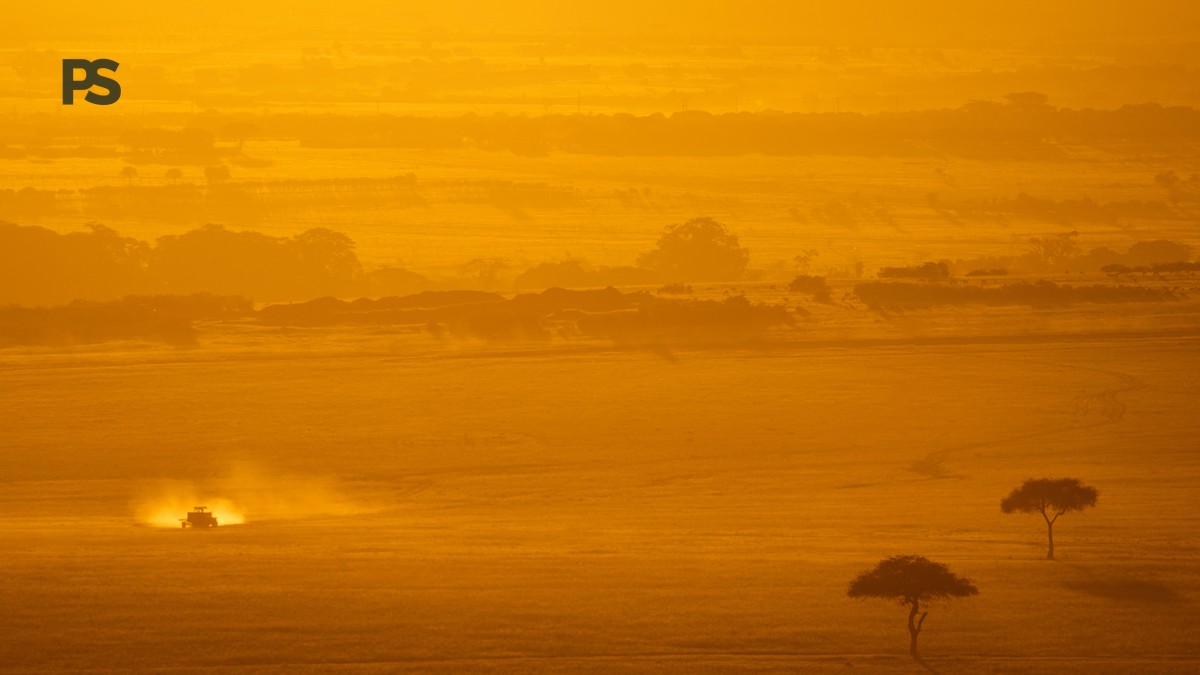
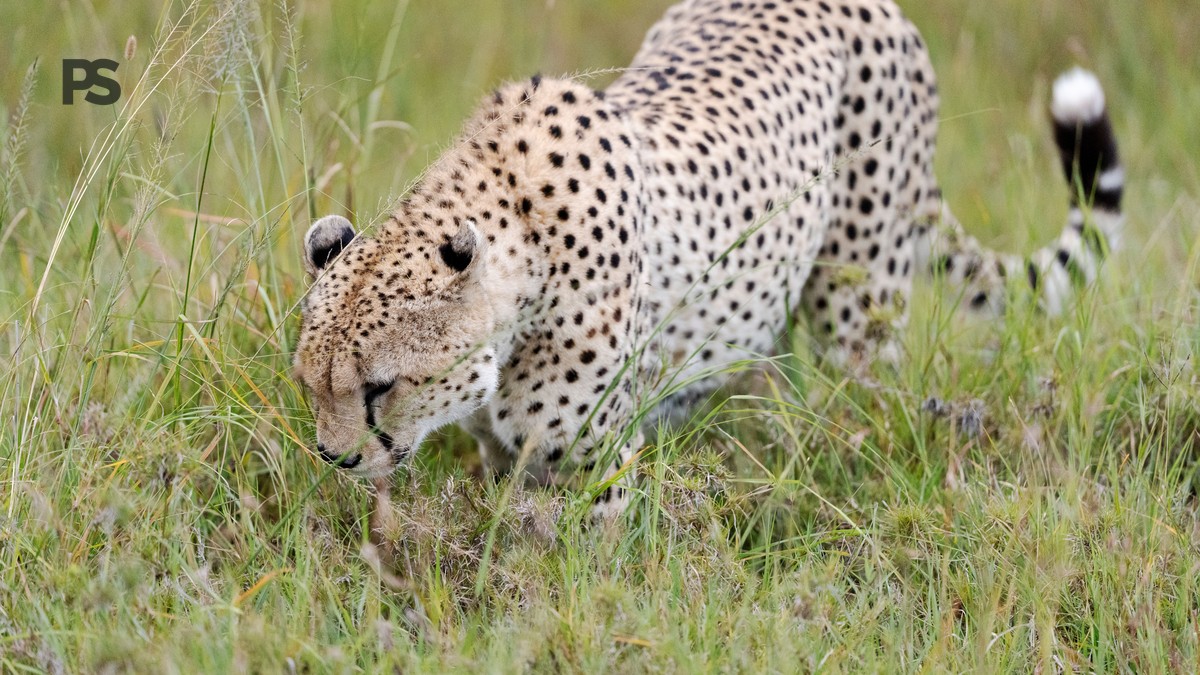
Your guide talks about what you may see, not what you will see. They share recent sightings, the best hours of the day, and how the vehicle radio helps locate animals. In the Mara, the July to October high season brings the wildebeest migration into the reserve. But wildlife is free-ranging. No guide can guarantee a leopard in a tree or a river crossing on schedule.
The safety rules also shape your viewing. Stay seated, keep voices low, and turn off camera sounds near sensitive animals. These are simple wildlife viewing tips that protect the animals and improve your chances of seeing natural behavior.
You can also ask about communication. Mobile coverage in the Mara is patchy, so guides rely on radio. You can check whether the Masai Mara has mobile signal before you go.
5. What to Tell Your Guide
This is the part travelers often miss. The briefing is your chance to shape the trip. Tell the guide your priorities before the first drive. This can include particular animals, photography, birding, walking, quiet viewing, comfort stops, dietary needs, mobility limits, or preferred departure times.
Guides want to hear these. They can plan within park rules, vehicle capacity, daylight, and the fixed bookings of the safari itinerary. If you want a sunrise drive with a flask of coffee, say so early. If you need regular toilet stops, mention that too. Small-group safaris make this easier, because the guide plans for a handful of people, not a full vehicle.
6. Camp, Vehicle, and Equipment Details
A useful briefing confirms practical details before you need them. Ask about the vehicle type, seating and luggage limits, charging options, and communication methods. Confirm the camp layout, meal times, and emergency contacts.
You will also learn what to bring each day. A light jacket for the cold morning start, sunscreen for the open roof, and a camera with a long lens work well. For a fuller list, read what to pack for a Kenya safari.
7. Questions to Ask Before Your First Drive
Keep this list in your pocket. At the end of the briefing, you want clear answers to these:
- What time does the first game drive leave?
- How long will it last?
- Where do we stop for meals and toilet breaks?
- What happens if the weather turns?
- How do we contact the guide if we stay at camp?
- Which parts of the itinerary are fixed and which can change?
A standard briefing takes roughly 15 to 30 minutes. Allow more time if you have specific requests.
| Topic | What the briefing covers | A number worth noting |
|---|---|---|
| Guide introduction | Who drives, how to contact them, vehicle rules | Confirm whether one guide stays with you for the whole stay |
| Safari itinerary | Departure times, meals, break stops, park gates | Masai Mara National Reserve: USD 100 per adult per day (January to June), USD 200 (July to December) |
| Safari safety briefing | Staying seated, quiet behavior, escorted walks after dark | Most camps ask guests not to walk alone after dark |
| Wildlife expectations | Recent sightings, best hours, movement patterns | July to October is peak migration season in the Mara |
| Your requests | Start times, photography, diet, mobility | The briefing is the best moment to ask for changes |
| Camp and vehicle | Meals, charging, seating, luggage limits | A standard safari Land Cruiser seats up to 7 guests |
By the end of the briefing, the safari stops being abstract. You know who is driving, where you are going, and what to do after dark. The rest is open grassland and animal movement that no briefing can script. The best part of the briefing is what it leaves out. It is the moment you crest a ridge and find a pride of lions you did not expect. That moment belongs to you.
When you are ready, plan the trip with Plain Safaris. We will build the itinerary that leads to your first briefing, and answer the questions that come before it.