
Golden hour on the Mara plains lasts about 30 minutes, sometimes less if there’s dust or thin cloud on the horizon. The best golden hour safari Kenya camps get you onto the plains before that window opens, not still driving toward it. If your camp sits an hour from the plains, you’re driving through the best light instead of shooting in it. Camp position matters as much as camera gear here.
I’ve sat in vehicles watching that light fade while we were still ten minutes from a pride of lions, radio crackling with directions. It’s a specific kind of frustration. This post looks at which camps actually put you in position, what conservancy rules let you do about it, and what it costs.
What golden hour means for safari photography
Golden hour is the stretch just after sunrise and just before sunset when the sun sits low. The light turns warm and soft, and shadows stretch long across the grass. In the Mara, sunrise runs around 6:30am and sunset around 6:30pm most of the year, so golden hour falls roughly 6:30 to 7:00am and 6:00 to 6:30pm.
For photographers, this light does the work that expensive lenses can’t. It rims fur and mane hair with color, and it softens the harsh midday contrast that flattens most safari shots. Getting a vehicle onto a sighting during that window is the whole game.
Morning vs evening game drives
Morning golden hour tends to win for wildlife activity. Predators that hunted overnight are often still out, feeding or moving back toward cover, right as the light turns gold. Evening golden hour gives you better odds of catching cats waking up and starting to hunt, plus the added bonus of dust and haze catching the low sun.
Neither is strictly better for every subject. Elephants and general landscape shots often look best in evening light, when the sun sits behind rising dust from a herd. Cheetah and lion action tends to favor mornings, before the heat pushes them into shade. Most photography-focused itineraries run both, then let the guide read the day.
Golden hour safari Kenya camps built for the light, not just the view
Some camps sit right on the plains. Others sit on an escarpment or a riverbank with a longer drive to open ground. Here’s how five well-known options compare.
| Camp | Location | Access type | Approx. drive to open plains | Indicative price/night (per person, all-inclusive) |
|---|---|---|---|---|
| Angama Mara | Oloololo Escarpment, above Mara Triangle | Private land bordering reserve | 45-60 min down the escarpment (indicative) | $1,200+ |
| Mara Plains Camp | Olare Motorogi Conservancy | Private conservancy | Under 10 min, drives start from camp | $1,400-1,800 (indicative) |
| Mahali Mzuri | Olare Motorogi Conservancy | Private conservancy | 10-15 min (indicative) | $1,200-1,600 (indicative) |
| Governors’ Camp | Masai Mara National Reserve, Musiara area | Reserve, subject to 6:30pm gate curfew | Camp sits inside reserve, but curfew limits evening light | $700-900 (indicative) |
| Encounter Mara | Mara North Conservancy | Private conservancy | 10-20 min (indicative) | $700-900 (indicative) |
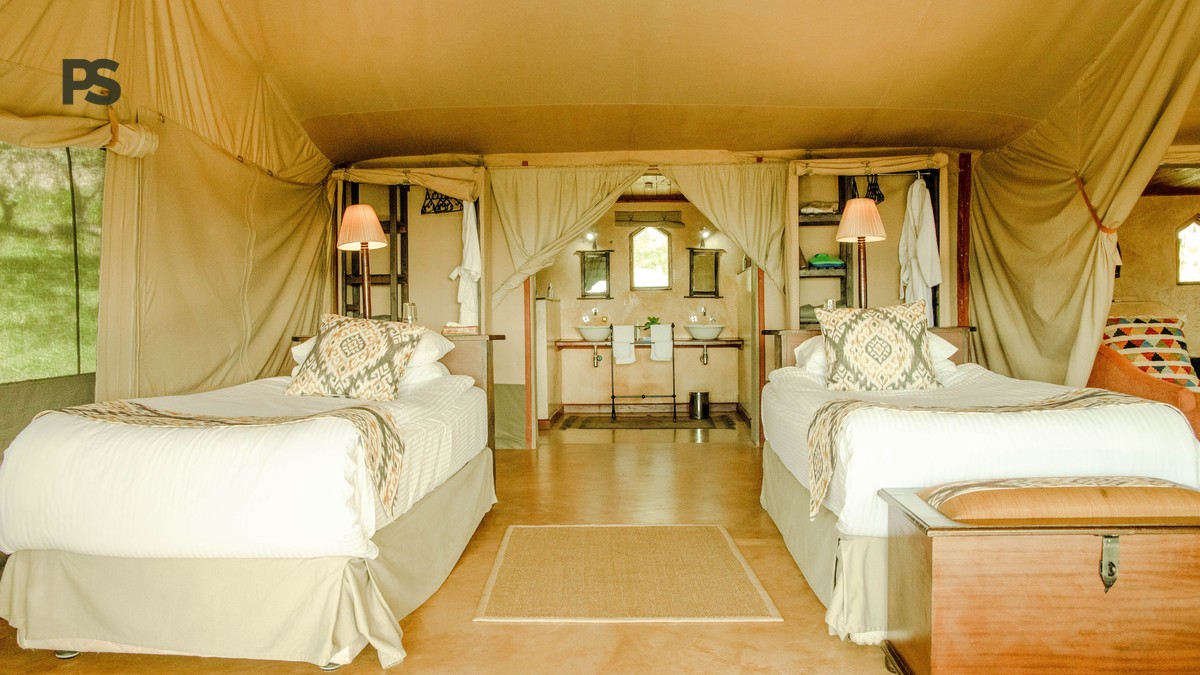
Angama Mara has the view every brochure wants, a whole valley laid out below the escarpment, but photographers should know the drive down eats into golden hour on both ends. Mara Plains Camp and Mahali Mzuri sit inside Olare Motorogi Conservancy, close enough to open ground that a sighting at 6:10pm is still workable. For a fuller rundown of properties built around this kind of access, the best Kenya safari camps for photographers is worth reading before you book.
Conservancy vs national reserve: the curfew problem
This is the detail most explainers skip. Masai Mara National Reserve enforces a hard gate time, vehicles must be out or back at camp by 6:30pm. That cuts evening golden hour short right when the light peaks.
Private conservancies like Naboisho, Mara North, and Olare Motorogi set their own rules, and most don’t impose a fixed exit curfew. Guides can hold position on a sighting until the light actually goes, then drive back in the dark. Conservancies also cap vehicle numbers per sighting, often five or fewer, so you’re not boxed in by ten other trucks when the light is best. If you want conservancy camps with flexible drive timing, that flexibility is the main reason to pay conservancy fees on top of your lodge rate.
Entrance costs matter for planning. Masai Mara National Reserve, run by Narok County Government rather than Kenya Wildlife Service, charges non-resident adults USD 100/day from January through June and USD 200/day from July through December, the peak migration months. Conservancy fees like Naboisho or Mara North usually run USD 80 to 150 per person per night, bundled into the camp rate rather than billed separately.
Vehicle type changes what you can shoot
An open-sided 4×4 lets you shoot without a window frame or roof strut in the way. Closed vehicles with pop-up roofs work for general viewing, but they limit low-angle shots and force everyone to shoot standing through the same opening. Conservancy camps generally run open-sided vehicles with three rows max, sometimes fewer for dedicated photo drives.
Vehicle height and beanbag mounts matter too. A guide who knows to angle the vehicle with the sun behind you, rather than parking wherever fits, makes a bigger difference than most gear upgrades. For more on this, what makes a good photographic safari vehicle covers the specifics worth asking your operator about.
Sundowners and the camp ritual around last light
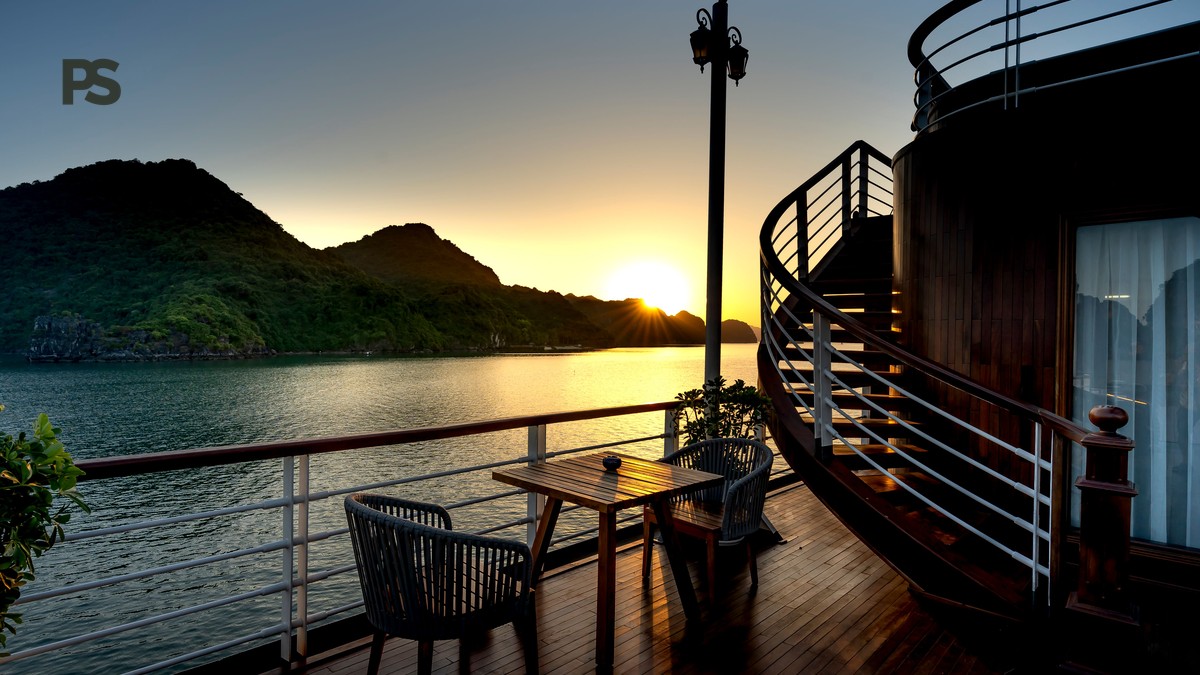
Most Mara camps build a stop into the evening drive, parking on a rise with drinks while the sun drops. It’s a nice moment, but for photographers it can eat 15 to 20 minutes of usable light if timed badly. Ask your guide to push the sundowner stop to after the last shootable light, not before it.
Best months for clean, golden light
July through October gives the clearest air in the Mara, dry season with less haze, which makes for cleaner color in the low sun. This overlaps with the wildebeest migration and the higher park fees. January through March also runs dry with fewer crowds, though grass is often shorter and light can feel harsher by midday. November and April carry more cloud and rain, which can actually help with dramatic skies but costs you clear golden light most evenings.
The Plain Safaris Difference
We build itineraries around where the light will be, not just where the animals are. That means matching camp choice to conservancy access, briefing guides on photography priorities before the drive starts, and building in flex time so a good sighting at 6:15pm doesn’t get cut short by a curfew you didn’t know about. We also keep group sizes small on photo-focused trips, usually three to four guests per vehicle, so nobody’s shot gets blocked by someone reaching across for a phone photo.
We’ve driven these roads at first light more times than we can count, and we know which corner of Mara North catches the sun first and which escarpment road gets muddy after rain. That’s the kind of detail that doesn’t show up in a brochure.
Plan your golden hour trip
If you’re weighing camps for a photography-focused Mara trip, we can help you match the season, the conservancy, and the camp to what you actually want to shoot. Get in touch through our contact page and we’ll help you build the itinerary around the light.