
You have decided to see the Masai Mara. That is the easy part. The hard part is figuring out what a safari actually looks like, what it costs, and whether you will get dal chawal at dinner. This first safari what expect hindi speakers guide answers those questions. It is written for Hindi-speaking travelers who want straight talk, not brochure language.
Let us walk through a typical day, the real costs from India, and the logistics you need to plan. No fluff, just what to expect.
First Safari What Expect Hindi Speakers: What a Kenya Safari Actually Looks Like
Your safari day starts early. Most camps wake you around 5:45 AM. You have tea or coffee, then board an open-top Land Cruiser by 6:30 AM. The morning game drive lasts three to four hours. This is the best time to see predators before the heat rises.
You return to camp for a hearty brunch around 10:30 AM. The middle of the day is hot and quiet. Animals rest. You rest too. Many camps have a pool or a shaded veranda where you can read or nap.
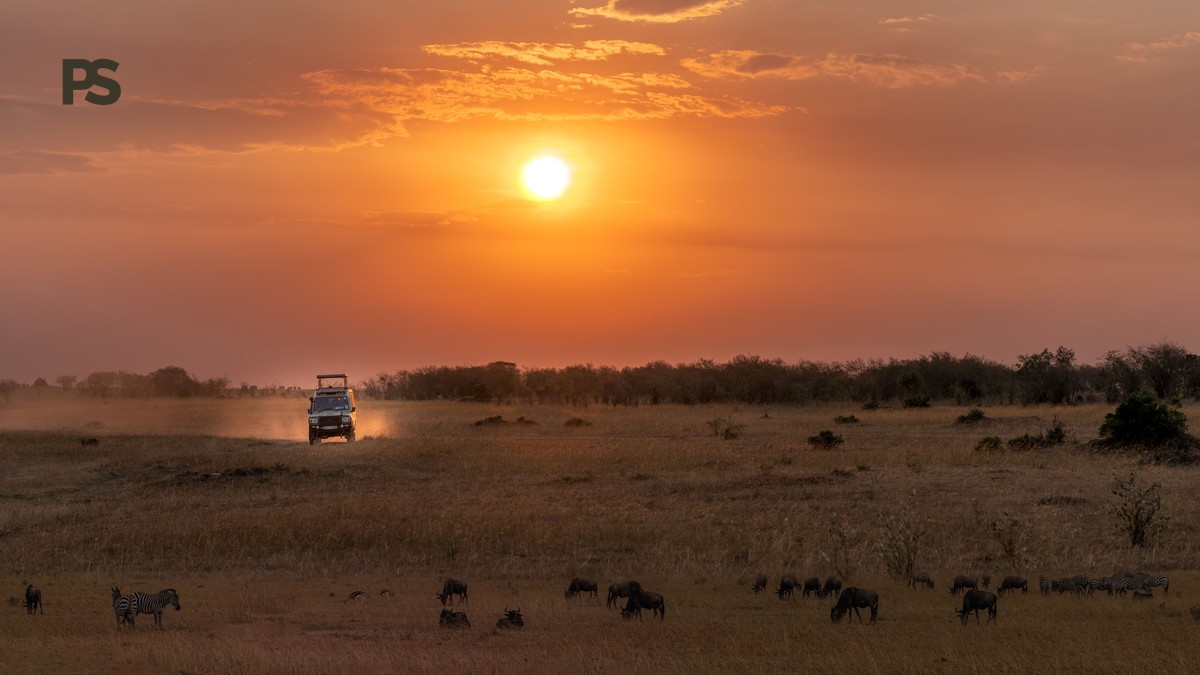
Afternoon tea is at 4 PM. The evening game drive runs from 4 PM until sunset, around 6:30 PM. You return as the sky turns orange. Dinner is at 7:30 or 8 PM. The camp lights lanterns. The sounds of the bush fill the night, and you fall asleep to the grunt of a hippo or the call of a nightjar.
This rhythm repeats for every full day on safari. It sounds simple, but the magic is in the details. The transition from the chaos of Nairobi to the silence of the Mara is what most people remember first.
Realistic Wildlife Expectations
The Big Five means lion, leopard, elephant, buffalo, and rhino. On a typical three-day stay in the Masai Mara, seeing lions and elephants is very likely. Seeing a leopard is possible but requires luck. Seeing a rhino in the Mara is rare. Your guide will be honest about this.
The Serengeti in Tanzania is better for rhino and cheetah. But Kenya offers better overall value for a first-timer from India. Do not focus only on the Big Five. A herd of 200 elephants crossing the Talek River, a male lion roaring at dawn, these moments matter more.
There are no guarantees. A safari is not a zoo. The animals move freely. Your guide will track them using radio and fresh footprints. Good guides succeed about 80 percent of the time with the big cats. Wild dogs, Honey Badgers, and serval cats are bonus sightings.
Accommodation Types: Tented Camps vs Lodges
You have two main choices. Tented camps are the classic safari experience. You sleep in a large canvas tent with a real bed, en-suite bathroom, and a veranda. The canvas gives you intimacy with the bush. You will hear animals at night.
Lodges are permanent structures made of stone or wood. They feel more like hotels. They often have pools, air conditioning, and larger dining rooms. Families with young kids often prefer lodges because the walls are solid.
For your first safari, choose a tented camp if you want the authentic feel. Choose a lodge if you prefer comfort and quiet. Both work well.
Here is a comparison of typical options in the Mara for reference. Prices are per person per night on full board (all meals plus two game drives).
| Camp / Lodge | Type | Location | Approx. Cost USD | Good For |
|---|---|---|---|---|
| Sarova Mara Game Camp | Tented camp | Talek Gate, Masai Mara | USD 250-400 | Indian food, Jain meals |
| Mara Sopa Lodge | Lodge | Ololaimutia, Mara | USD 150-250 | Budget, families, Indian menu |
| Keekorok Lodge | Lodge | Central Mara | USD 300-450 | Pools, easy wildlife access |
| Basecamp Masai Mara | Tented camp | Mara North Conservancy | USD 350-500 | Private conservancy, low vehicle numbers |
Best Time to Visit Kenya from India
Kenya has two dry seasons and two wet seasons. The long dry season runs from late June to October. This coincides with the Great Migration in the Mara. The wildebeest crossings of the Mara River happen mostly in July, August, and September. This is peak season. Prices are highest.
The short dry season runs from January to February. The Mara still has good wildlife viewing with fewer tourists. The short rains fall in November and December. The long rains fall in April and May. Most lodges close in April for maintenance.
For first-timers from India, the best balance of price and experience is either late January to February, or late June to early July. You miss the peak crowds but still see excellent game. The big exception is the wildebeest crossing. If that is your dream, plan for August or September and pay the premium.
Kenya Safari Cost from India
This is the number one question Hindi speakers ask. A per-person cost for a 6-night, 7-day safari from India breaks down like this:
- Flights from Mumbai or Delhi to Nairobi: USD 500 to 900 round trip (INR 42,000 to 75,000).
- Visa (eTA) fee: USD 30 per person (INR 2,500).
- Ground package (guide, vehicle, park fees, accommodation, meals): USD 250 to 600 per person per night.
A mid-range 6-night safari costs roughly USD 2,200 to 3,200 per person (INR 1.85 lakh to 2.7 lakh). A budget lodge stay costs closer to USD 1,800. A luxury tented camp easily runs USD 4,500 or more.
The biggest line item is the park fee. The Masai Mara National Reserve charges USD 100 per adult per day from January to June, and USD 200 per adult per day from July to December. A two-day stay in peak season means USD 400 just in entrance fees.
Private conservancies bundle entrance fees into the lodge rate. You pay roughly USD 80 to 150 per person per night for the conservancy. This includes the fee. The trade-off is that the lodge rates run higher. But you get fewer vehicles around each animal sighting. Many first-timers find the peace worth the extra cost.
Visa and Flight Logistics for Indian Travelers
You need an eTA (Electronic Travel Authorization) to enter Kenya. It is the new name for the visa. Apply on the official Kenya eTA portal. The process takes 2 to 5 business days. The fee is USD 30. You need a passport valid for at least 6 months, a passport photo, and proof of your itinerary.
Flights from Mumbai to Nairobi take about 5 hours 30 minutes direct. Kenya Airways flies this route. From Delhi, the flight is about 7 hours with a short stop or a direct option. Total cost depends on the season. Book 10 to 12 weeks out for the best price.
Once you land at Jomo Kenyatta International Airport in Nairobi, you will likely stay one night in the city before flying to the Mara. The regional flight to Masai Mara takes about 45 minutes in a small Cessna. It lands on a dirt airstrip. Alternatively, you can drive from Nairobi to the Mara. That takes 5 to 6 hours on a bumpy road, including a stop at Narok town.
Food for Hindi-Speaking Travelers
Vegetarian food is standard on all Kenya safaris. You will get fresh vegetables, lentils, rice, fruits, and eggs. The real question is Jain food, which means no onion, no garlic, no root vegetables, and no meat. This is manageable but takes planning.
Most upscale camps like Sarova Mara and Keekorok have lived with Indian guests for decades. They know how to make Jain dishes. Your guide asks for a special plate on the first morning. By the second day, the kitchen will have it ready.
Mara Sopa Lodge runs the strongest Indian menu in the reserve. Their buffet includes dal, paneer, roti, and rice at nearly every meal. If Jain food is non-negotiable, choose a camp listed in the table above. Do not pick a random budget camp and hope for the best. Those camps may have very limited spices and no Jain prep area.
Pack some ready-to-eat food from India as a backup. A small pouch of khakhra or dry chivda takes no space and saves a hungry night.
Language and Communication on Safari
Kenya is an English-speaking country. Your driver-guide speaks fluent English. Many guides also understand simple Swahili. Hindi is almost never spoken by guides, but a few Mara camps now have Hindi-speaking staff, especially at Indian-owned properties like Mara Sopa.
Do not worry if your English is basic. Guides speak slowly and clearly. They will repeat names and point at birds. You can bring a phrasebook for Kiswahili basics like “Jambo” (hello) and “Asante” (thank you). Smiles work better than any language.
For a fully Hindi-led experience, book with a tour operator that provides a Hindi-speaking guide at extra cost. Budget around USD 50 per day for that add-on.
Health Prep Before Departure
Malaria is a real risk in the Masai Mara. Take anti-malarial medication starting 2 days before your trip. Consult your doctor for the right option. Also carry a strong insect repellent with DEET. Cover your arms and legs at dawn and dusk.
Vaccinations required or recommended: yellow fever is not legally required for travelers arriving directly from India, since India is not a yellow fever risk country. It becomes mandatory only if you transit through a country with yellow fever risk on your way to Kenya. Many doctors still recommend it as a precaution. Also get Typhoid, Hepatitis A, and Tetanus vaccines before you go. If you do need the yellow fever shot, it must be given at least 10 days before travel. Carry the yellow card with you. Some airlines and Kenyan officials ask for it.
Drink only bottled water. Most safaris include filtered water at the camp. Use it to brush your teeth too. Stick to hot meals and peeled fruits to avoid stomach issues.
What to Pack for a First Kenya Safari
Keep it light. 10 to 12 kilograms maximum for the internal flight to the Mara. Soft-sided duffel bags work best, not hard suitcases. The small planes have weight limits.
Packing list:
- Light cotton shirts (khaki, olive, or beige, no bright colors).
- Long pants for evening and game drives.
- A lightweight fleece or down jacket for the cold 6 AM drives.
- Closed-toe walking shoes, no flip-flops for game drives.
- Wide-brimmed hat, sunglasses, and high-SPF sunscreen.
- Personal medication, including anti-diarrheal and pain relievers.
- A power bank and a plug adaptor for UK-style 3-pin sockets (Type G). Indian plugs do not fit, so pack an adaptor.
- A camera with a zoom lens. A 200mm lens is minimum, 400mm is better.
- A small pair of binoculars (10×42 works well).
Washable, quick-dry clothing means you can pack for 4 days and rotate for a week.
Recommended Itinerary Length for a First-Timer
Plan for at least 6 nights on the ground. A one-week itinerary looks like this:
- Night 1: Nairobi (arrival, rest).
- Nights 2-4: Masai Mara (3 full days on game drives).
- Night 5: Lake Nakuru or Naivasha (flamingos, rhinos, optional boat ride).
- Night 6: Amboseli (elephants with Kilimanjaro backdrop).
- Night 7: fly back to Nairobi and depart.
That gives you four national parks without feeling rushed. If you have only 5 days, drop Amboseli and stay 3 nights in the Mara plus 1 night at Lake Nakuru.
Common First-Timer Mistakes and Honest Trade-offs
Mistake one: cramming too many parks. Driving from the Mara to Amboseli takes 8 hours. That is a wasted day. Choose two regions at most.
Mistake two: booking the cheapest camp without checking the kitchen. You will save USD 100 but lose your appetite.
Mistake three: arriving in the Mara on a full day of driving from Nairobi. You lose half a game drive. Fly in instead. The extra cost of the small plane is worth the time.
Mistake four: expecting river crossings every day. The wildebeest crossings are sporadic. You might wait 3 hours and see nothing. That is normal.
Trade-off one: budget camps mean shared vehicles. You might have 6 others in your cruiser. Private vehicles cost more but allow flexibility.
Trade-off two: the Mara Reserve has more animals but more cars. Private conservancies like Naboisho or Mara North have fewer cars but slightly lower density of predators. For a first-timer, the Reserve is still the best bet for sheer wildlife volume.
The Plain Safaris Difference
Most tour operators sell you a package and disappear. We drive these roads. We know which gate to use to avoid queues, which corner of the Mara has the leopard hideout, and which airstrip is 20 minutes from your tent.
We plan your days around the wildlife, you and your family’s needs. We book camps with proven Indian chefs. We confirm Jain meals before you fly. We build buffer time into your itinerary. When a river crossing happens, we are in the right position to see it.
The vehicle is your home for a week. We use 4×4 Land Cruisers with pop-up roofs and charging ports for every seat. Your guide stays with you for the whole trip. No rotating strangers every day.
We know the real prices, the current park fees, and the quiet times. So you get quantity and quality. No hidden costs and no surprises.
Ready to Plan Your First Kenya Safari?
You have the facts. You know the costs, the food, and the flight routes. Now reach out to Plain Safaris and tell us your travel dates, your budget, and your dietary needs. We will craft a Kenya itinerary that fits your family, your stomach, and your sense of adventure.
Plan your Kenya safari with Plain Safaris today to get a custom quote and a day-by-day plan.