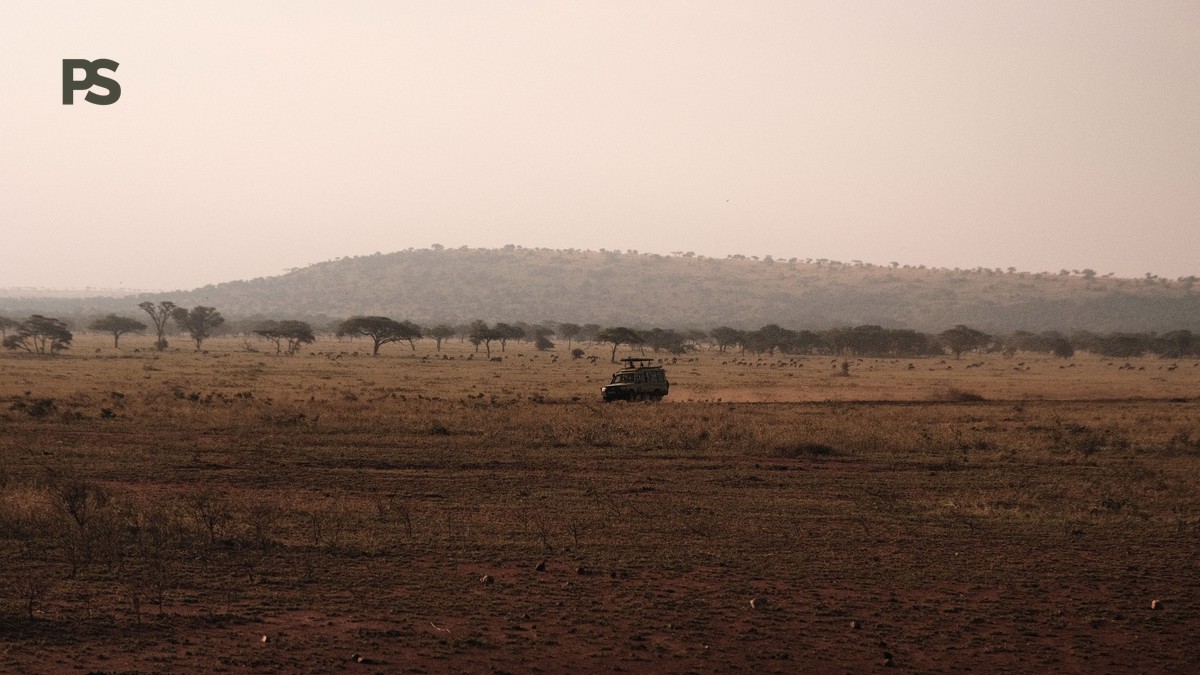
Most first-safari questions sound the same in every language. What time do drives start? What happens between drives? Do I really need a 4×4? If you come from France, Belgium, Switzerland, or Canada, add one more question: will my guide actually speak my language?
This first safari what expect french speakers guide gives you a practical 7-day Kenya route. It uses current park fees, real driving rhythms, and honest costs. Bookmark it as your planning partner.
What is a first safari really like?
A first safari means early starts, several hours in a bumpy 4×4, quiet wildlife watching, and unpredictable sightings rather than a fixed schedule. The best viewing usually happens around dawn and late afternoon. Expect chilly open-vehicle drives, warm afternoons, dusty roads, simple bush breaks, and close encounters managed by your guide.
On most days you are up before 6am. A quick coffee comes first, then you climb into a vehicle with an open roof. Game drives last two to four hours. Your guide stops for lions under a bush, elephants crossing, and birds you would never spot alone. Then you return to camp or lodge for breakfast and rest. The second drive leaves around 4pm and often continues after sunset. Returning in the dark with spotlights scanning for animals is part of the rhythm.
First safari what expect french speakers: what to check before booking a guide
Request a fluent French-speaking driver-guide by name and have the language arrangement written into your booking documents. Confirm whether this person is a trained wildlife guide, an interpreter, or an English-speaking driver receiving occasional translation. Verify certification, route experience, vehicle access, radio communication, and whether the same guide covers every drive.
Some tour companies say “French available” but mean a translator on call. That is not the same as a naturalist who can explain animal behavior in French while the lion is in front of you.
Ask for a sample route and the guide’s name before you pay a deposit. Plain Safaris writes language requirements into the trip details from the start. That matters because small-group safaris should not mean sharing a vehicle with travelers who speak three different languages. On a private Kenya safari, the guide stays with you for the whole circuit. A skilled guide also knows where to park for the best sight lines, something covered in our guide on how to maximize Big Five sightings.
Which Kenya parks are best for a first safari?
The Masai Mara is the best all-round first choice for frequent predator sightings, elephants, and a strong chance of seeing lions, cheetahs, and leopards. Add Amboseli for elephants and Kilimanjaro views, Lake Nakuru for rhinos, or a Mara conservancy such as Naboisho for quieter drives, walking, and night activities. If you want help weighing conservancy options against the main reserve, see our guide to Masai Mara conservancies.
| Stop | Best for | Non-resident entry fee | Approx drive from previous stop |
|---|---|---|---|
| Amboseli National Park | Elephant families, Kilimanjaro views | USD 90 per adult per day | 4 hours from Nairobi |
| Lake Nakuru National Park | Rhinos, flamingos, compact park | USD 90 per adult per day | 6 to 7 hours from Amboseli |
| Masai Mara National Reserve | Lions, cheetahs, leopards, migration | USD 100 Jan-Jun; USD 200 Jul-Dec | 4 to 5 hours from Lake Nakuru |
| Naboisho Conservancy | Quiet Mara drives, walking, night drives | USD 80 to 150 per person per night, bundled | Adjacent to Masai Mara |
Amboseli and Lake Nakuru are both Kenya Wildlife Service parks. The Masai Mara fee is set by Narok County Government, not KWS. If your trip falls between July and December, budget for the higher Mara rate.
For a Masai Mara first safari, three nights in the reserve gives you time to learn the landscape. A morning here can feel completely different from an afternoon. Animals move; your guide adjusts.
7-day Kenya safari itinerary for French speakers
Plan seven days and six nights for a satisfying first Kenya safari. A practical route is two nights in Amboseli, one night near Lake Nakuru, and three nights in the Masai Mara, though the long transfers make internal flights or a Masai Mara-only plan worthwhile. Five days is possible but feels rushed.
Here is a sample route based on road transfers:
- Day 1: Drive from Nairobi to Amboseli. Arrive before lunch and take an afternoon game drive.
- Day 2: Full day in Amboseli. Start at dawn for the best Kilimanjaro light and elephant viewing.
- Day 3: Drive from Amboseli to Lake Nakuru. Reach your lodge in time for a late afternoon rhino search.
- Day 4: Morning drive around Lake Nakuru, then transfer to the Masai Mara. Evening game drive after arrival.
- Days 5 and 6: Explore the Masai Mara. Use one afternoon for a conservancy visit like Naboisho if your package includes it.
- Day 7: Early morning drive, breakfast, then return to Nairobi by road or internal flight.
Internal flights from the Mara to Nairobi save hours and add roughly USD 150 to 250 one way. If you only have five days, skip Amboseli and spend all nights in or beside the Mara.
Kenya safari cost for a private 7-day route
A private, mid-range seven-day Kenya safari with a French-speaking guide commonly costs about USD 2,500 to USD 4,800 per person before international flights, tips, and insurance. Budget camping may cost USD 120 to USD 200 per person per day, while luxury lodges and conservancies can exceed USD 400 to USD 1,200 daily.
Park fees sit on top of your accommodation. The route above includes roughly USD 570 in national park entry fees per person if you visit the Mara from January to June. That figure jumps to about USD 870 per person from July to December because the Mara fee doubles.
Your lodge and guide costs usually include meals, daily game drives, a 4×4 with pop-up roof, and conservancy fees. Drinks, laundry, tips, travel insurance, and flights are usually separate. A fluent French-speaking naturalist may carry a small supplement, so confirm that cost in writing.
For a deeper budget worksheet, read our Kenya safari planning guide for French speakers before you contact operators.
Kenya safari packing list: what fits in one bag
Pack neutral-coloured layers, a fleece or jacket for cold dawn drives, long trousers, comfortable closed shoes, a hat, sunscreen, insect repellent, binoculars, and a reusable water bottle. Carry personal medication and travel documents. Wear layers because mornings can be cold, afternoons hot, and roads dusty; ask a clinician about malaria precautions.
Do not bring more than one soft duffel bag. Many small aircraft have a 15 kg baggage limit. Leave bright whites and camouflage at home. Neutral khaki, olive, and beige work best. For a printable version of this list, see our Kenya safari packing checklist.
You also need patience. Wildlife appears on its own schedule. A quiet vehicle, a skilled guide, and a flexible day almost always outperform a crowded timetable.
Ready to turn this plan into a real trip? Tell Plain Safaris your dates, language needs, and budget on our contact page. We will prepare a clear quote with the French-speaking guide’s name written into your booking.