
Most people plan a Kenya photography trip around the Mara or Amboseli, then treat the Chyulu Hills as an afterthought. That is a mistake if you are planning a Chyulu Hills landscape photography safari, since these volcanic hills sit between Tsavo West and Amboseli, and on a clear morning they give you Kilimanjaro rising over rolling green grassland with almost nobody else in the frame. The catch is timing. Get the season wrong and you will spend a week photographing cloud.
Where the Chyulu Hills Are and Why Photographers Overlook Them
The Chyulu Hills run roughly 100 km northwest to southeast, a young volcanic range that Ernest Hemingway called the Green Hills of Africa. Chyulu Hills National Park covers the ridge itself, about 741 square km, and it borders Tsavo West to the south and Amboseli’s ecosystem to the west. Non-resident park entry is USD 40 per adult per day, well below Amboseli’s USD 90 or Tsavo West’s USD 80.
Here is the detail most guides skip: there are no lodges inside the national park boundary itself. Ol Donyo Lodge and Campi ya Kanzi both sit on private group ranches, Mbirikani and Kuku, that wrap around the park. That is actually good news for photographers. It means your camp negotiates its own vehicle numbers and off-road access instead of following blanket KWS rules, so sightings stay quiet.
The hills themselves are porous volcanic rock covered in grass and cloud forest, which is why they catch moisture other dry-country parks miss. That same cloud forest is the thing that makes or breaks your Kilimanjaro shot.
The Kilimanjaro Window: Timing Your Chyulu Hills Landscape Photography Safari
Kilimanjaro is visible from the Chyulu ridgelines most reliably in two windows: January to March and June to October. Outside those months, cloud builds over the cloud forest belt by mid-morning and often sits there through the afternoon, hiding the summit entirely.
Even inside the good months, timing within the day matters more than most operators admit. The clearest air is usually between 6:00 and 8:30 am, before the sun heats the plains and pushes moisture upward. By 10:00 am on a humid day, Kilimanjaro can vanish behind haze even in July. If you want the mountain in your frame, plan your golden hour shoot as an early departure, not a leisurely breakfast-first outing.
This is the trade-off Trunktrails and the tour-operator pages gloss over. A three-night stay booked in April or November can mean zero clear mountain shots, no matter how good the lodge or the guide. If Kilimanjaro is the point of your trip, check the best time to see Kilimanjaro before you lock in dates, and build a buffer day into the itinerary in case the first morning clouds over.
Ol Donyo Lodge vs Campi ya Kanzi for Photographers
Both camps put you on Kilimanjaro-facing ridgelines. The difference is polish, price, and how much they build their day around photographers versus general safari guests.
| Feature | Ol Donyo Lodge | Campi ya Kanzi |
|---|---|---|
| Location | Mbirikani Group Ranch, north Chyulu | Kuku Group Ranch, south Chyulu |
| Rate (indicative) | From around USD 1,590/night, all-inclusive | Roughly USD 700-950/person/night, all-inclusive (indicative range) |
| Rooms with private sleep-out deck | Yes, star beds in most rooms | No, but a viewing deck at camp |
| Rooftop or hide for shooting | Rooftop viewing deck, plus a game-viewing hide near a waterhole | Open-sided vehicles and walking access to ridgeline viewpoints |
| Guide-to-guest ratio for photo drives | Private vehicle standard | Private vehicle available, more flexible on timing |
| Best for | Photographers who want built-in infrastructure for low light and long lenses | Photographers on a tighter budget who want the same views with a rawer, more improvised feel |
Ol Donyo built its whole guest experience around the view. The hide lets you shoot elephants and eland at eye level without a vehicle in the frame, and star beds mean you can wake at 5:30 am already facing the mountain. Campi ya Kanzi is more basic, run with the Maasai-owned Maasailand Preservation Trust, and it gets you onto the same ridgelines for less money, but you will do more of the early-morning positioning yourself with your guide rather than relying on fixed infrastructure. Either way, read up on where to stay in the Chyulu Hills before deciding, since room type affects how fast you can get to a viewpoint at first light.
Getting There: Flights, Roads, and Distances
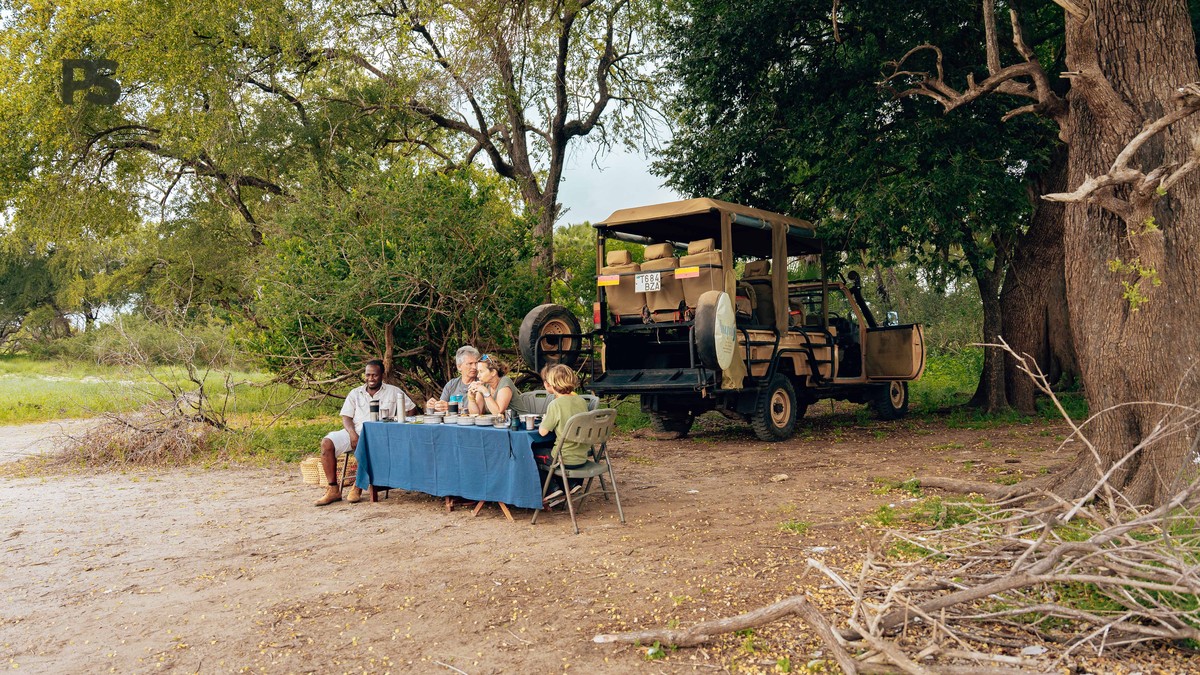
Most visitors fly. Scheduled flights from Wilson Airport in Nairobi to the airstrips serving Ol Donyo and Campi ya Kanzi take about 45 to 60 minutes, depending on routing and stops. Driving covers roughly 230 to 260 km from Nairobi via Emali on the Nairobi-Mombasa highway, then a rougher access road onto the ranch. Budget four to five hours by road, more if you are towing a lot of gear over the last unpaved stretch.
| Route | Distance | Typical time |
|---|---|---|
| Nairobi (Wilson) to Chyulu airstrips | N/A | 45-60 min by air |
| Nairobi to Chyulu Hills by road | 230-260 km | 4-5 hours |
| Amboseli to Chyulu Hills | 60-70 km | 1.5-2 hours by road |
| Tsavo West (Kilaguni area) to Chyulu Hills | 30-40 km | 45 min-1 hour by road |
That short hop from Amboseli or Tsavo West is why the Chyulu Hills work so well as an add-on. Most Plain Safaris circuits combine two nights in the hills with three or four elsewhere, rather than treating it as a standalone destination.
Gear and Vehicles for the Chyulu Light
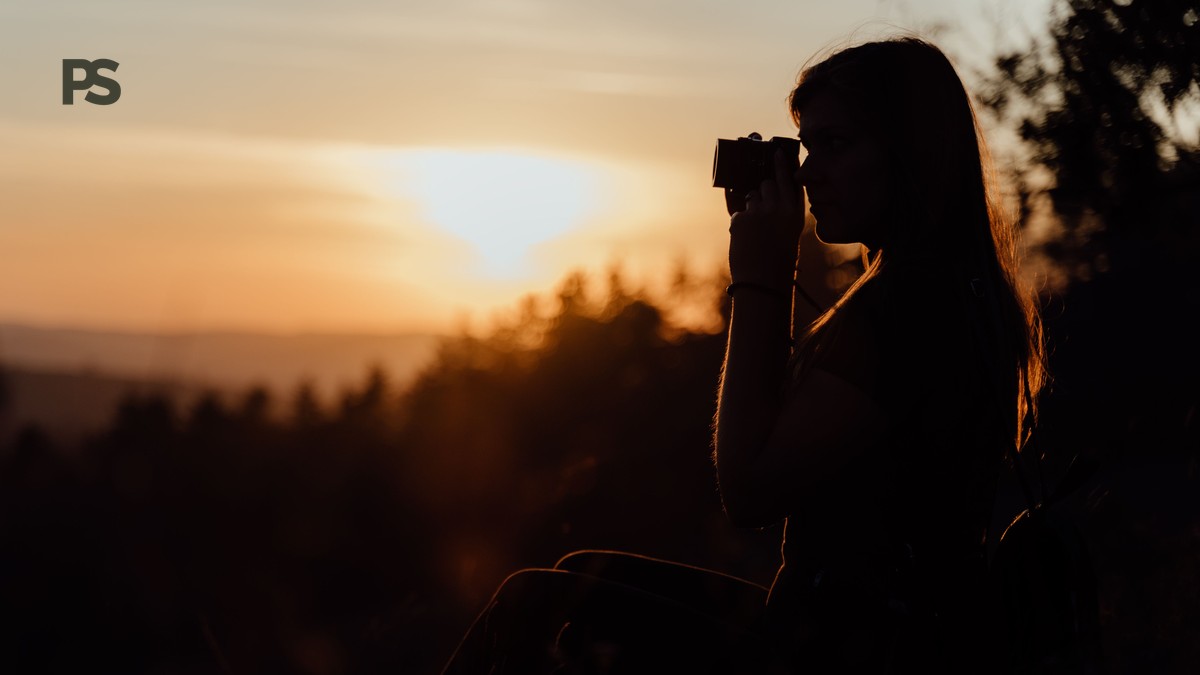
For the Kilimanjaro shot, a mid-range zoom in the 100-400mm range earns its keep, since the mountain sits far enough off that you will want reach without losing the foreground grassland. A wide lens, 16-35mm or similar, covers the sweeping hillside shots at dawn when mist sits in the valleys.
Vehicle choice matters more here than in flatter parks. The Chyulu terrain is steep and volcanic, so a closed-roof safari van will limit your angles badly. Ask for an open-sided 4×4 with a pop-up roof, and confirm ahead of time how many vehicles your camp allows at a single sighting. Ol Donyo and Campi ya Kanzi both keep numbers low because the land is privately managed, usually one or two vehicles at most per sighting. That is a real advantage over the national park itself, where KWS does not cap vehicle counts the way private conservancies do. If you are weighing options across Kenya, our guide to choosing the right vehicle for a photography safari covers what to ask for regardless of destination.
Beyond Kilimanjaro: Leviathan Cave and the Green Hills
Photography here is not only about the mountain. Leviathan Cave, one of the longest lava tubes in the world at over 12 km mapped, sits within the park and makes for striking underground and entrance-light shots with a headlamp and a fast lens. Walking safaris and horseback outings, offered at both camps, put you at ground level with the grass and volcanic rock in a way a vehicle never will. Early morning light on the hills themselves, before Kilimanjaro even clears, is often the better shot: layered green ridgelines fading into mist, with almost no other travelers in sight.
The Plain Safaris Difference
We build Chyulu Hills add-ons around your actual shooting windows, not a fixed itinerary template. That means checking the season before we confirm dates, briefing your guide on golden-hour timing rather than standard game-drive hours, and requesting open 4×4 vehicles with capped sighting numbers at every camp we book. We have driven the Emali road often enough to know which stretches slow you down, and we will tell you honestly if a given month means your Kilimanjaro shot is a coin flip. We would rather move your dates than sell you a trip that will not deliver the photograph you came for.
Ready to build a Chyulu Hills itinerary around the light you actually want? Get in touch through our contact page and we will help you plan the timing, the camp, and the vehicle to match.