
Yes, you can bring walking poles on a Kenya safari. Most of the time you will not need them. A guided bush walk is slow. It follows the guide’s instruction and the pace of the slowest guest. For most travelers, one light collapsible pole or a simple wooden stick is more useful than a pair of trekking poles.
That answer changes by safari type. On a game drive, poles stay packed away. On a short lodge bush walk, most people do fine without any stick. On a longer conservancy walk with slopes, one stick can help. The real question is not whether poles are allowed. It is whether they help or get in the way.
Walking in Kenya happens on private and community conservancy land. The Maasai Mara National Reserve does not allow walking safaris. Most Kenya Wildlife Service parks do not allow walking outside designated picnic areas. So when you pack a pole, you pack it for a conservancy walk, not for a national park hike.
Can you use walking poles on a Kenya walking safari?
No for most people. Yes for a small group. A Kenya walking safari is not a mountain hike. It is a slow, interpretive walk, usually one to three hours long. You stop often to look at tracks, birds, plants, and dung. You do not cover long distances. A good guide in Naboisho, Ol Kinyei, or Lewa sets a pace a ten-year-old can manage.
Families often overpack for walking days. A parent with a young child may worry about rough ground. In practice, most conservancy walks follow game paths and dry riverbeds. They are not marked trails with roots and rocks. You will not be scrambling. If you can walk three kilometers at home without stopping, you can manage a standard bush walk. The guide stops for every interesting track anyway.
When walking poles can be useful
One collapsible pole earns its space in a few clear cases. Balance comes first. If you have an old ankle injury, a hip problem, or you get lightheaded on uneven ground, one stick gives you a third point of contact. Second, knees on descents. In Loisaba Conservancy or the Chyulu Hills, tracks drop into stony valleys. A pole takes load off one knee on the way down. Third, riverbeds. Some conservancy walks cross dry stream beds with loose sand or hidden potholes. A stick tests the ground before you step. Fourth, keeping kids steady. A family with a younger child often finds one shared stick helpful on a rocky ridge or a slippery bank.
At Loisaba, a walk down from the escarpment toward the Ewaso Nyiro tributaries includes several loose, stony sections. A single stick helps there far more than on the flat plateau above camp. At Ol Pejeta, the usual morning walk follows open plains and riverine woodland. Most guests there never take a pole out of the bag. The terrain is that gentle.
A pair of trekking poles is overkill for most days. Two poles occupy both hands. You want one hand free for binoculars, a camera, or a water bottle. You also need a free hand to hold a child at a stream crossing. Most guides prefer one stick. It is quieter, narrower, and easier to stow in a safari vehicle.
Why poles may be awkward or unsafe on guided walks
On a game drive, trekking poles do not belong in the passenger seat. They rattle, take up legroom, and can scratch camera gear. A standard Toyota Land Cruiser safari vehicle has six passenger seats with limited floor space. A pair of poles in a side pocket can press into someone’s knee for hours. Leave them at the lodge unless you know you will walk that day.
Many camps in the Mara conservancies store walking sticks at the tent door. Porini Camps in Ol Kinyei and Naboisho keep a small rack of wooden sticks for guests. That means you may not need to bring your own at all. However, if you rely on a walking stick for balance, pack one collapsible pole. You cannot always borrow a stick sized to you. Camp sticks are often one generic length.
On the walk itself, poles can cause problems. A guide walking ahead may ask you to carry the stick folded until you reach uneven ground. The sound of a pole tapping stone carries far in the early morning. Wildlife hears it long before you arrive. The flash of a metal pole tip can also catch light. In open plains, anything shiny or quick draws a stare. For that reason, many guides prefer a wooden stick or a matte carbon pole over a shiny metal pair. If a guide asks you to put the pole away, do it. That instruction keeps the group calm and the walk safe.
What to pack for a walking safari
Packing for a Kenya walking safari is a short list. Wear neutral colors. Khaki, olive, tan, and brown work best. Avoid bright white, red, and black. Black can read like a buffalo to a short-sighted rhino at distance. Closed shoes matter more than poles. Lightweight hiking boots or trail runners with good tread work on rocky luggas and sandy riverbeds. Bring a small day pack with water, a sun hat, sunglasses, sunscreen, and a rain shell if you are walking in the green season. Carry a small first aid kit if you are with kids. For a fuller checklist, read our what gear to pack for a Kenya safari and Kenya safari packing guide.
If you pack a pole, choose a collapsible model that folds to under 40 cm. It should fit in a day pack or a safari seat pocket. A rubber tip is quieter than carbide. A cork or foam grip stays comfortable in the heat. If you take one stick, pick the one with a wrist strap. Keep the strap loose so you can drop the stick fast if the guide signals to freeze. Do not wear it tight like a ski pole strap. Tight straps turn a simple stumble into a hard fall.
Season matters too. If you walk between March and May or October and November, tracks turn muddy. A pole helps you probe puddles and test soft patches on the track. In the dry season from June to September, most paths are firm. You may leave the stick in the vehicle for days.
Walking safari terrain, pace and single-file etiquette
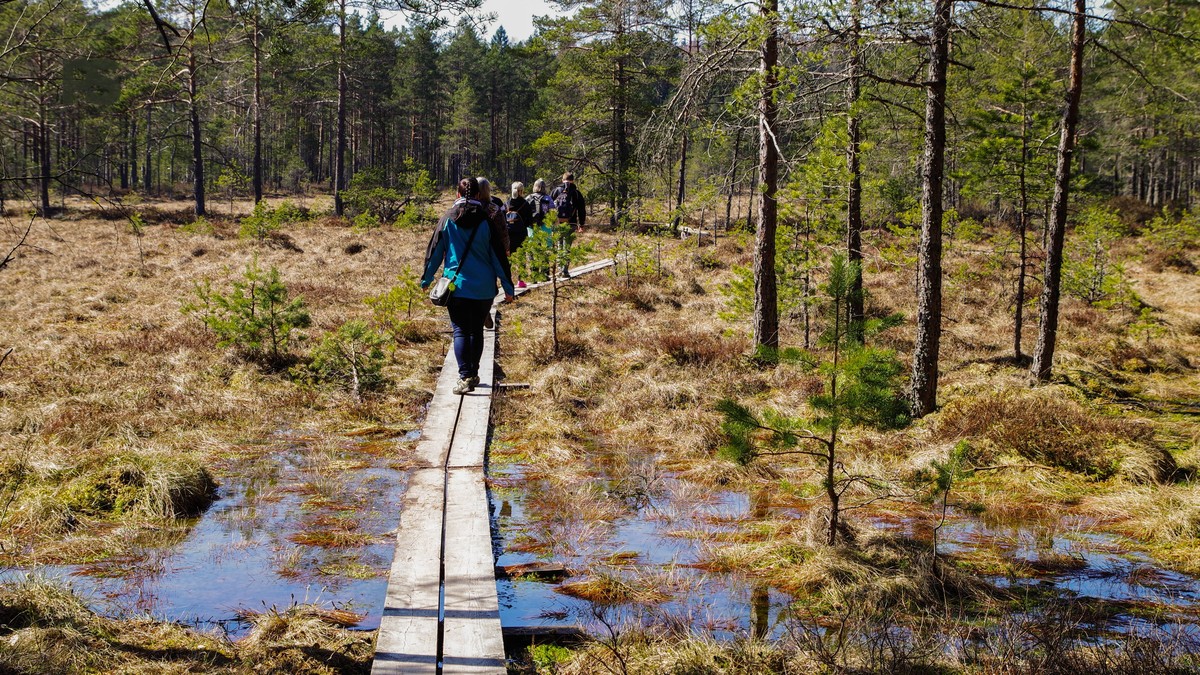
Walking safaris move in single file. The guide leads. Sometimes a scout or ranger walks behind. You stay in the guide’s footsteps. That means no side-by-side walking, no overtaking, and no sudden moves. A pole can help you balance while you look through binoculars, but it can also widen the line. If the track is narrow or the grass is high, fold the pole and carry it in one hand. Leave clear space for the person behind you. This is not a conga line. There is no hurry.
The guide sets the pace. A slow guest is not a problem. The guide will stop to point out a track or a bird and let the line close up. Young kids walk at the front with the guide so they can ask questions. Older guests walk near the scout at the back where the pace is easiest. If you need a rest, you say so. Nobody will leave the group behind.
Where walking safaris are available in Kenya
Walking is not allowed in the Masai Mara National Reserve or most KWS national parks. You cannot walk in Amboseli, Lake Nakuru, Tsavo East, Tsavo West, or Nairobi National Park except in designated picnic areas. Walking safaris happen on private and community conservancy land. These conservancies set their own rules and require armed, qualified guides.
| Conservancy or area | Rough road distance from Nairobi | Typical guided walk length | Terrain | One collapsible pole? |
|---|---|---|---|---|
| Ol Kinyei Conservancy, Mara | about 250 km, 5-6 hr drive or 45 min flight from Wilson | 1-2 hours | rolling plains, acacia, stony luggas | helpful for balance, not essential |
| Naboisho Conservancy, Mara | about 250 km, same | 1-2 hours | open plains, woodland | helpful on rocky stretches |
| Lewa Wildlife Conservancy | about 230 km north, 4-5 hr drive or 45 min flight | 1-3 hours | plains, kopjes, river forest | useful on longer slopes |
| Ol Pejeta Conservancy | about 200 km north, 3.5-4 hr drive | 1-2 hours | flat plains, riverine | usually unnecessary |
| Loisaba Conservancy | about 300 km north, fly from Wilson | 2-4 hours | rocky hills, steep valleys | single pole genuinely useful |
| Chyulu Hills area | about 200 km southeast, drive or fly | 2-3 hours | volcanic slopes, lava ridges | one pole helps on descents |
Conservancy fees give a sense of cost. For the Mara conservancies, nightly conservancy fees run roughly USD 80 to 150 per person and are bundled into lodge rates. The Masai Mara National Reserve itself charges USD 100 per adult per day from January to June and USD 200 per adult per day from July to December, but walking is not part of that fee. In Laikipia, Lewa and Ol Pejeta usually include walking in the lodge or conservancy entry fee. A typical adult day rate sits in an indicative range of USD 120 to 150. Some camps add a walking supplement of roughly USD 50 to 100 per person. Check before you book.
Walking safari safety and guide instructions
Walking safaris in Kenya run with armed, qualified guides. The guide carries a rifle or is accompanied by an armed ranger. The briefing before the walk matters more than any gear choice. Listen to the emergency procedure. If the guide says crouch behind a termite mound, do not stand and film. If the guide signals freeze, freeze. A pole in your hand should not delay that. You can drop a stick. You cannot drop a pair of poles strapped to both wrists.
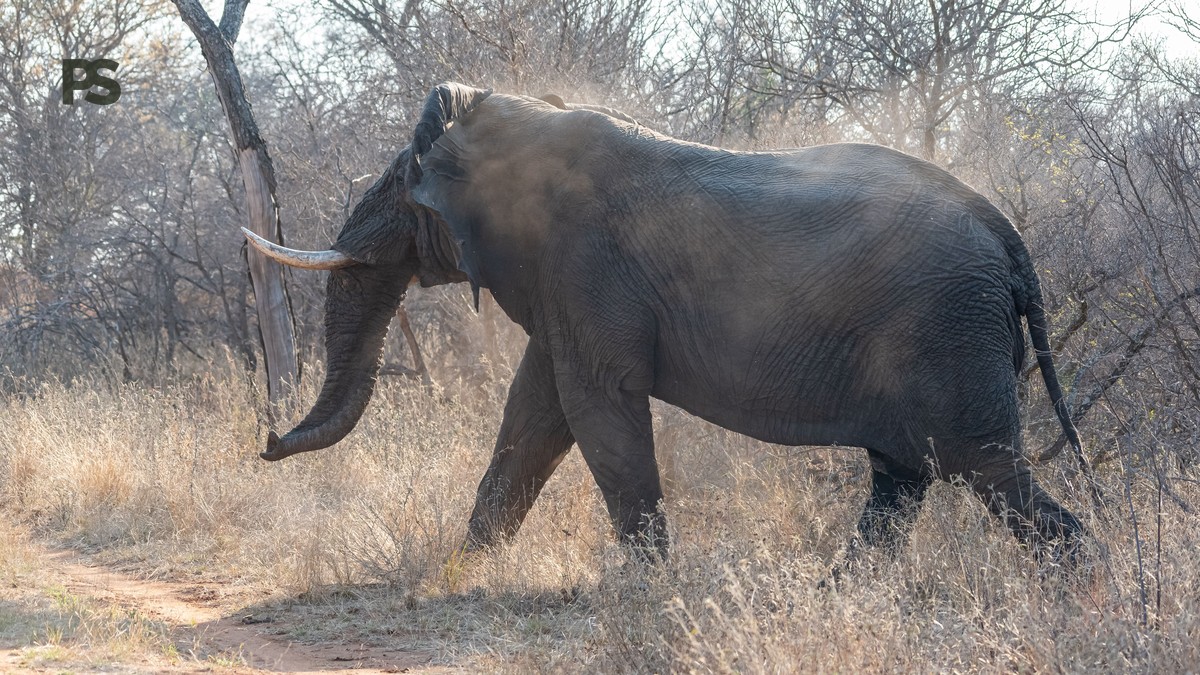
Guides also set distance from wildlife. You may walk within 50 to 80 meters of giraffe, zebra, or impala depending on wind and cover. You will not walk toward elephants or buffalo on foot. Guides keep a wider buffer for those. A stick does not change that rule. Poles do not scare wildlife in a threat display sense, but sudden movement or clicking can alert animals. Slow steps and quiet gear keep the walk calm.
If a guide asks you not to use poles, the answer is not to argue. Some conservancies have a no-metal-tip rule in certain areas. Some walks cross private Maasai grazing land where a stick may look like a herding tool and confuse livestock. Follow the instruction. The walk will still happen. Your balance aid can stay folded in your day pack until you need it.
The Plain Safaris Difference
Most safari companies treat a walking safari as a nice add-on. We plan it as part of the pacing of your whole trip. That matters if you are traveling with kids or multiple generations. A family circuit that pairs two days of game drives in the Mara with a morning walk in Ol Kinyei or Naboisho keeps legs moving without wearing anyone out. We know which conservancies keep walking groups to six guests or fewer. We know which camps have a rack of wooden walking sticks at the tent door, so you can leave your own poles at home if you only need occasional support.
We also know how a walking day sits between parks. That helps when a family asks how many parks to visit on a first safari. We will tell you honestly if adding a third park makes the trip rushed. And we will tell you when one collapsible pole is worth packing and when it is just extra weight in a safari vehicle. No brochure talk. Just the details that keep a multi-day circuit comfortable for everyone from a seven-year-old to a grandparent.
Plan Your Walking Safari With Plain Safaris
Still deciding whether one pole or two is right for you? Bring the question to Plain Safaris. We will plan a walking safari that matches your balance needs, your pace, and your family’s travel rhythm. Get in touch to plan your Kenya walking safari.