Can you walk around Lake Elementaita? Short answer: yes, you can walk along sections of the shoreline and through nearby conservation land, though there is no guaranteed public path that makes a full circle of the lake. Plan for shoreline birding, guided grassland walks, or hill hikes rather than one continuous loop.
Lake Elementaita sits in the Rift Valley between Naivasha and Nakuru. It is shallow, mineral rich, and famous for waterbirds. Two blocks of land carry the most practical walking routes: the Lake Elementaita Wildlife Sanctuary and Soysambu Conservancy. Keep your plan flexible. Access changes with water level, grazing rules, and security.
Can you walk around Lake Elementaita? Where to go
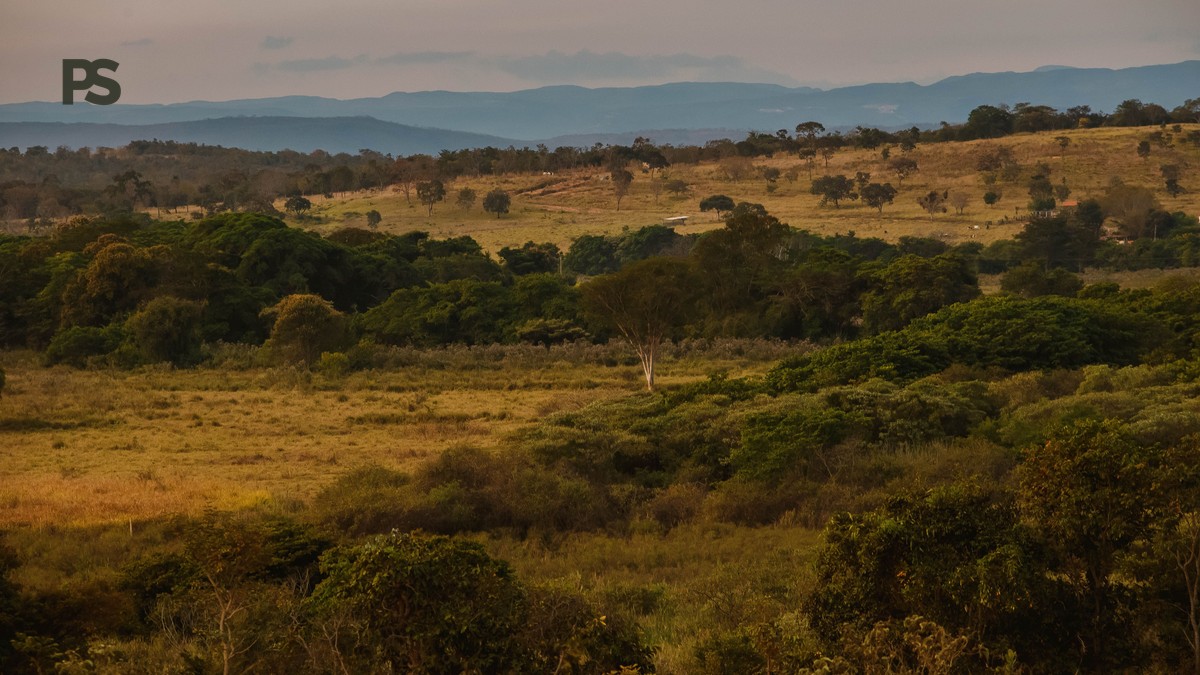
The most practical walking areas are the sanctuary shoreline, Soysambu Conservancy, and nearby hills such as Sleeping Warrior and Hill of Mawe Mbili. Pelican Gate gives access to the northern, bird-rich side, while Maji Moto Gate serves southern wildlife areas. Ask your accommodation which shoreline section is currently accessible and safest.
Those two gates are a good mental map. Pelican Gate works if your goal is the Lake Elementaita shoreline walk, with flamingos and pelicans close to the shore. Maji Moto Gate makes more sense when you want a Soysambu Conservancy walking safari on open grassland. Inside Soysambu, guides can lead toward Sleeping Warrior and Hill of Mawe Mbili when trails are dry.
| Access point | Gate or start | Best for | Typical route |
|---|---|---|---|
| Lake Elementaita Wildlife Sanctuary | Pelican Gate | Shore birding and Lake Elementaita shoreline walks | Flat lakeside paths, bird hides, short loops |
| Soysambu Conservancy | Maji Moto Gate | Soysambu Conservancy walking safari | Longer grassland routes, wildlife, guided walks |
| Hiking hills | Ask your lodge or guide | Views and a harder climb | Sleeping Warrior or Hill of Mawe Mbili, open mainly in the dry season |
Families with small children will prefer the short sanctuary loop near Pelican Gate. Older children who enjoy hiking can take a longer Soysambu walk. Your lodge can tell you which route is open that day. In the high-water season, the shore path may end in soda mud, not solid ground.
Is walking around Lake Elementaita safe?
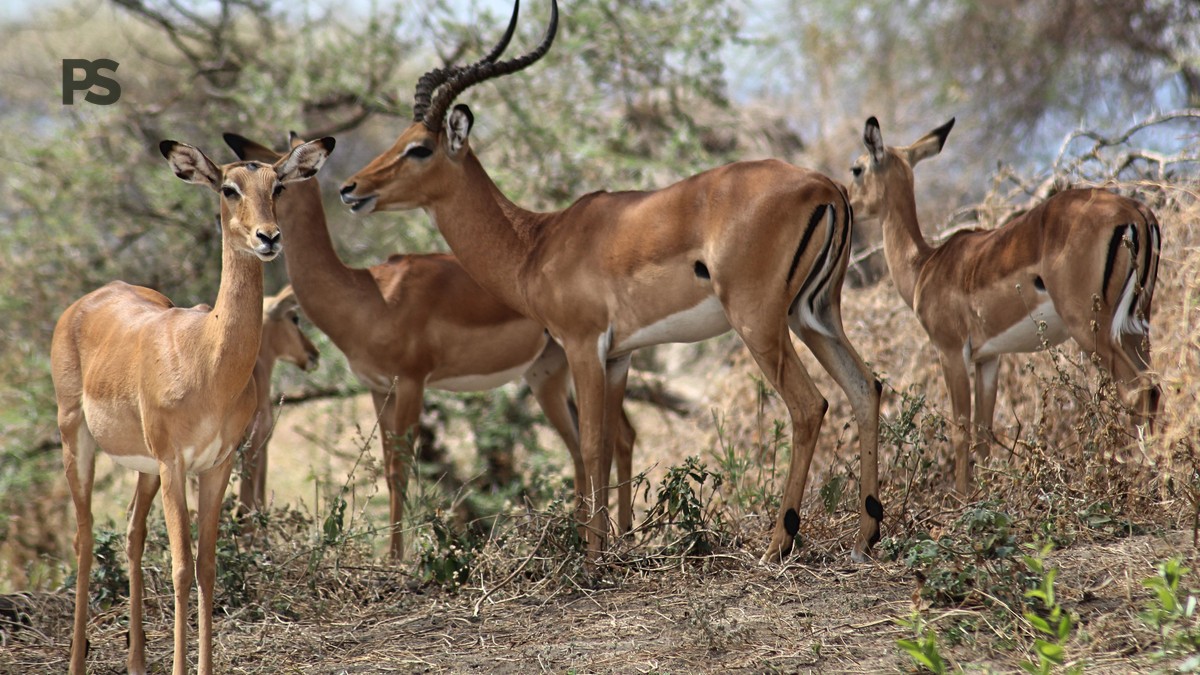
Walking is safest when arranged with a qualified guide, lodge, or conservancy rather than attempted alone near wildlife. The area supports zebra, eland, buffalo, giraffe, baboons, and other animals, so keep a wide distance, stay on approved routes, avoid approaching wildlife, carry water, and follow local instructions about weather, mud, and lake conditions.
The most sensible rule is simple: never walk around Lake Elementaita wildlife areas alone. Buffalo and baboons are common, and even giraffes can turn defensive. Our Lake Naivasha walking safari safety guide covers the same general rules, and they apply in Elementaita too.
Carry water, wear sun protection, and use sturdy shoes rather than sandals. Tell someone at the lodge which route you are taking and when you expect to return.
What wildlife and birds can you see on foot?
A walk can reveal flamingos, pelicans, and other waterbirds along the shore, plus zebra, eland, gazelle, buffalo, giraffe, and smaller plains species in nearby conservancy grassland. Walking is particularly useful for close views of birds, tracks, plants, and smaller wildlife, while game drives are better for covering larger areas and finding big animals.
On a slow Lake Elementaita nature walk, the guide can stop at every track and every new call. From the shore, pink flamingo lines stretch toward the horizon in the dry season. For a useful species checklist, read our Lake Elementaita birding guide before you go.
How much does Lake Elementaita access cost?
One published visitor listing gives Lake Elementaita Wildlife Sanctuary fees of KSh 215 for adults and KSh 125 for children, while non-resident rates are listed as USD 22 for adults and USD 13 for children. Treat these as figures to verify before travel because fees can change and private conservancy walks may be charged separately.
That published rate is one place to start, not the full bill. Guided conservancy walking rates are often bundled into a lodge stay, while a separate walk can cost extra. Set aside at least USD 30 to USD 80 per adult for a guided walk on private land. This is an indicative range, so confirm before you book.
When is the best time for a Lake Elementaita walk?
The drier months are generally the easiest time for walking because paths and shoreline ground are firmer, conditions are more comfortable, and birdlife may concentrate around the lake edge. Early morning and late afternoon are usually preferable for cooler temperatures and wildlife activity. After rain, confirm route conditions with your lodge or guide.
July through October is typically dry in the Rift Valley, making most walking routes accessible. January and February also work well. If you arrive after April rain, ask about mud. On our wider Rift Valley lakes flamingo route guide, Elementaita works best as a sunrise stop before you continue to Nakuru.
Imagine the shore at first light. The flamingo line is pink, the air smells of soda, and your group is the only one on the path. That is the moment a slow walk gives you.
If you want to plan that stop, Plain Safaris can choose the right gate and guide for your pace. Small-group safaris keep the schedule light enough to pause. Start with the birding guide above, then send a message through the Plain Safaris contact page.