
Naboisho vs Ol Kinyei conservancy is the question every serious Mara photographer ends up asking. Ask ten guides which one they’d pick for a week of serious game viewing, and both come up fast. They sit next to each other on the eastern side of the Masai Mara ecosystem. They share a Maasai landowner model, and both cap vehicle numbers hard. But they are not the same place, and picking wrong means either paying more than you needed to or missing the sightings you came for.
I’ve spent early mornings in both, camera on my knee, waiting for light to hit an acacia ridge at the right angle. Here’s how they actually compare, not just on paper but on what you’ll see from the vehicle.
Location and Size
Naboisho sits directly northeast of the Masai Mara National Reserve, bordering Mara North Conservancy to the north and Ol Kinyei to the south. It covers roughly 50,000 acres (about 20,000 hectares), making it one of the larger private conservancies in the ecosystem.
Ol Kinyei is smaller, around 18,500 acres, tucked further southeast near the town of Aitong and the Talek River drainage. It shares a working border with Naboisho, and several camps run joint game drives across both.
Both are a 45-minute flight from Nairobi’s Wilson Airport into nearby airstrips (Ol Kiombo or Musiara serve Naboisho; Ol Kinyei transfers usually route through Ol Kiombo or Naboisho airstrip too). By road, expect 5 to 6 hours from Nairobi via Narok, longer in the rains.
History and Community Ownership
Ol Kinyei has the older story. It was established in 2005 by Gamewatchers Safaris working with Maasai landowners. It’s often cited as one of the first conservancies in Kenya to prove the lease-payment model could work: landowners get a fixed monthly payment per acre, livestock stays out of core wildlife zones, and tourism revenue flows back to the community.
Naboisho came later, in 2010, when roughly 500 Maasai landowning families pooled their parcels into a single conservancy, one of the largest land aggregations of its kind in the region. The name itself means “coming together” in Maa, which fits the founding story.
Both operate on similar bones: fixed lease payments to landowners, a cap on bed numbers per acre, and grazing zones set aside for community cattle in defined areas and seasons.
Wildlife and Game Viewing Strengths
This is where the two diverge most for photographers.
Naboisho is known for one of the highest lion densities anywhere in Kenya. Several resident prides work the conservancy’s open grassland and riverine belts, and leopard sightings around the rocky outcrops near Basecamp are reliable enough that guides plan routes around them. Cheetah move through too, especially on the shorter grass plains toward the Naboisho-Mara North boundary.
Ol Kinyei’s strength is different. It sits on a natural corridor the wildebeest use as they push toward the Sand River and the reserve during the Great Migration. From roughly July through October, you can catch large herds moving through, with far fewer vehicles around than you’d find inside the reserve itself. Resident game is present year-round, but Ol Kinyei’s real draw is that migration-corridor position combined with low visitor numbers.
If your priority is predator behavior and repeat sightings of known individuals, lean Naboisho. If you want migration footage without the reserve’s vehicle scrums, Ol Kinyei has the edge.
Accommodation and Camps
Naboisho has more camps and more range in style, which matters if you’re choosing based on where the light falls at dawn. Ol Kinyei stays deliberately sparse.
| Feature | Naboisho Conservancy | Ol Kinyei Conservancy |
|---|---|---|
| Size | ~50,000 acres | ~18,500 acres |
| Established | 2010 | 2005 |
| Landowner families | ~500 | Indicative: 100-150 |
| Known camps | Kicheche Valley Camp, Naboisho Camp, Encounter Mara, Basecamp Explorer, Eagle View Mara, Ol Seki Hemingways | Porini Mara Camp (Gamewatchers), limited additional tented options |
| Typical rate | USD 80-150/person/night conservancy fee, bundled into lodge rate | Indicative USD 70-130/person/night, bundled into lodge rate |
| Vehicle density rule | Roughly 1 vehicle per 700+ acres | Roughly 1 vehicle per 1,000+ acres |
| Migration access | Good, via shared border routes | Strong, sits on a known corridor |
| Night drives | Allowed | Allowed |
| Walking safaris | Allowed at select camps | Allowed, one of the conservancy’s signature activities |
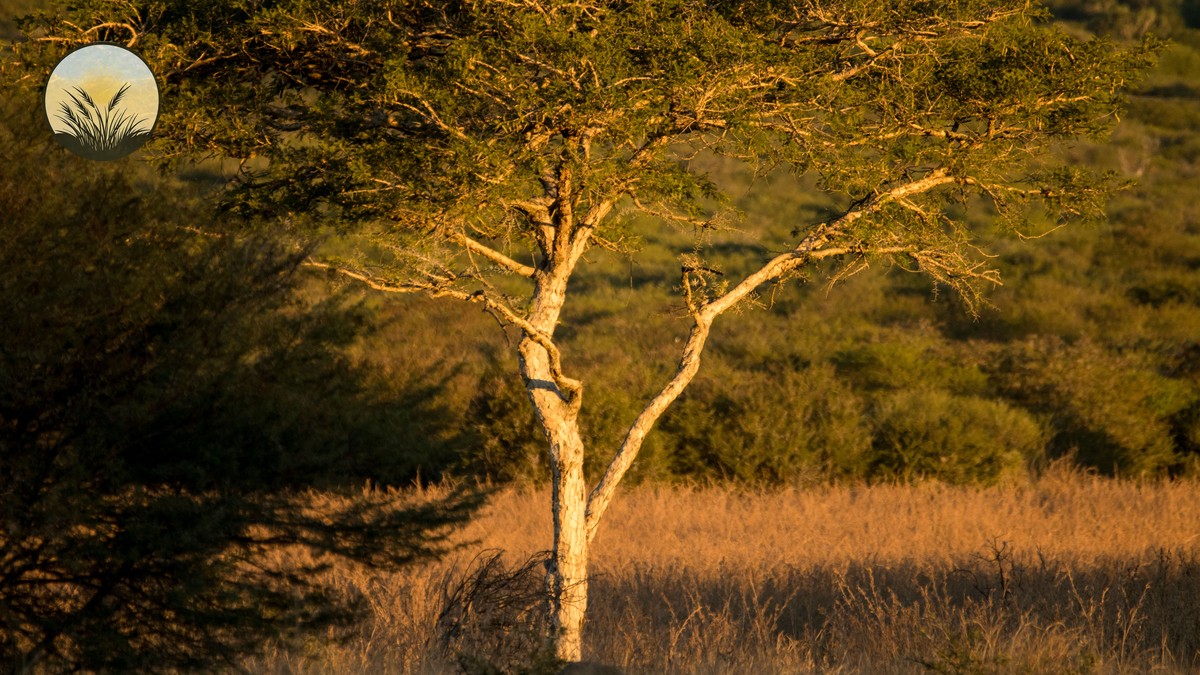
Camp positioning matters for photographers more than most travelers realize. Kicheche Valley Camp and Basecamp Explorer both sit close to the ridgelines that catch first light, which shortens your drive to a sighting before the morning haze burns off. Porini Mara Camp in Ol Kinyei sits low near a lugga, good for shade at midday but you’ll want to leave earlier to reach open plains for sunrise color.
For a broader list of camps built with photography in mind across the wider Mara, see our guide to the best Kenya safari camps for photographers.
Activities Allowed
Both conservancies allow what the national reserve does not: night drives with a spotlight, off-road driving to follow a sighting, walking safaris with an armed ranger, and bush breakfasts or sundowners set up away from camp. This is the real reason serious photographers choose conservancies over the reserve. You can position the vehicle for the light instead of staying glued to a track.
Ol Kinyei leans harder into walking safaris as a headline activity, partly because its lower vehicle density makes walking routes feel genuinely quiet. Naboisho offers walking too, but it’s usually paired with vehicle-based game drives rather than being the main event.
Cost and Value Comparison
Conservancy fees are bundled into your nightly camp rate rather than paid separately at a gate. That’s different from the Masai Mara National Reserve, where Narok County charges non-resident park fees of USD 100/adult/day from January through June and USD 200/adult/day from July through December during peak migration season.
Naboisho’s bundled conservancy fee runs roughly USD 80-150 per person per night depending on the camp. Ol Kinyei tends to sit at the lower end of that range, an indicative USD 70-130 per person per night, reflecting fewer high-end camp options and a slightly lower overall cost structure. Neither conservancy publishes a single fixed number since it varies by camp contract, so treat both as ranges rather than fixed prices.
For a July or August stay, a conservancy night in either location often costs less overall than a reserve day once you add up the higher reserve entrance fee plus a separate camp rate outside the reserve boundary.
Crowd Levels and Vehicle Limits
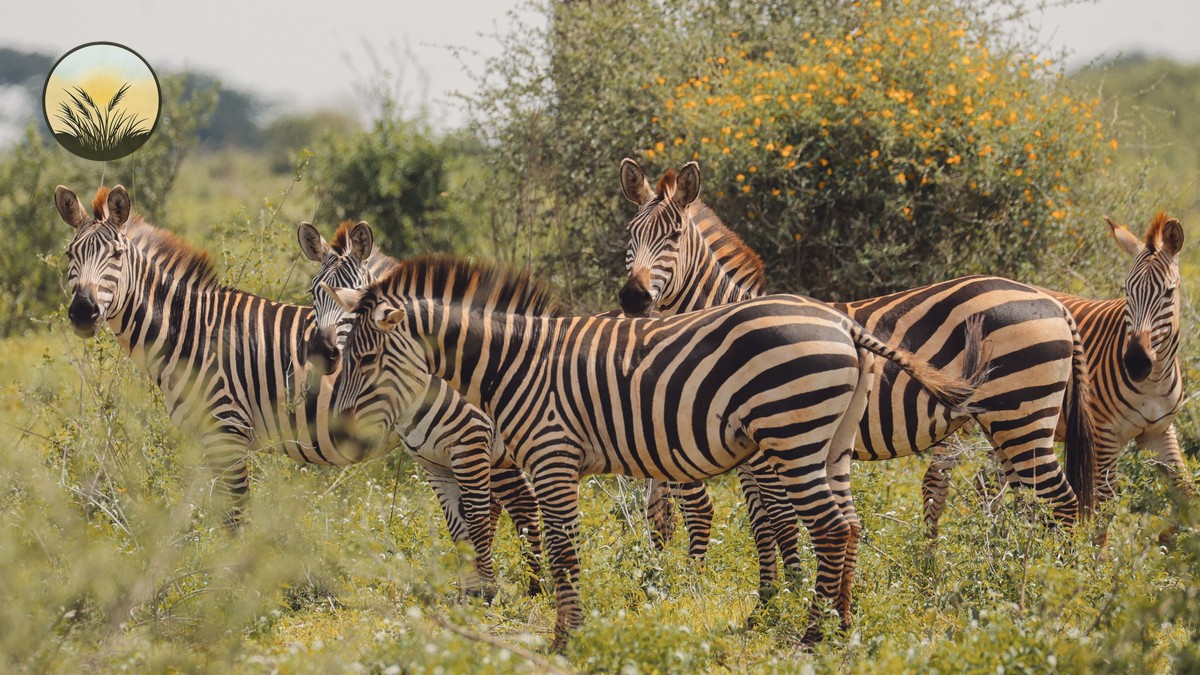
Both conservancies exist specifically to keep vehicle numbers low, and it shows. Naboisho’s bed-to-acre ratio still allows for real density during peak season since it has more camps overall. A spectacular sighting might draw three or four vehicles rather than the fifteen you’d see in the reserve’s Mara Triangle during wildebeest crossings.
Ol Kinyei, with fewer camps and a smaller footprint, usually keeps sightings down to one or two vehicles. If you’ve photographed a crossing in the reserve and found yourself boxed in by safari trucks, Ol Kinyei’s quiet corridor is the corrective experience.
Naboisho vs Ol Kinyei Conservancy: Best for Which Traveler
Naboisho suits first-time safari-goers who want variety: a wider camp selection, strong predator sightings, and easy combination with Mara North Conservancy next door for couples wanting a private, romantic base.
Ol Kinyei suits photographers and repeat visitors who’ve already seen the big cats and now want migration footage without crowds, plus travelers on a tighter budget who still want the conservancy experience rather than the reserve.
Families with young kids generally do better in Naboisho, where camps like Basecamp Wilderness run dedicated kids’ programs and the larger conservancy gives more flexibility if weather or a sick child changes plans mid-trip.
How to Combine or Choose Between the Two
Because Naboisho and Ol Kinyei share a working border, several camps run joint traversing rights, meaning a vehicle based in one can legally game drive into the other. Ask your camp directly whether their vehicle holds traversing rights for the neighboring conservancy before you book, since not all do.
A practical split for a 5 to 6 night Mara stay: three nights in Naboisho for predator density and camp comfort, two nights in Ol Kinyei for the quieter corridor and walking safaris. The drive between conservancies runs 30 to 45 minutes depending on which camps you’re moving between, short enough to do as a mid-stay transfer rather than a full travel day.
Either base also makes a strong staging point for a hot air balloon safari over the Mara, since both conservancies sit close enough to reserve launch sites for an early pickup.
The Plain Safaris Difference
We don’t sell a generic “Mara conservancy” package. We match the conservancy to what you’re actually there to do. If you’re chasing predator behavior for a portfolio, we’ll route you through Naboisho’s known pride territories with a guide who tracks which pride is denning where that week. If you want migration footage with room to breathe, we’ll build your stay around Ol Kinyei’s corridor timing, not a generic itinerary template.
We also know which camps hold traversing rights between the two conservancies, and which ones sit closest to sunrise light. We know which weeks the wildebeest are actually moving through Ol Kinyei rather than still bunched up in the reserve. That’s the kind of detail that changes whether your week produces the shot you came for.
Plan Your Naboisho or Ol Kinyei Safari
Still weighing which conservancy fits your trip better? We’ll walk through timing, camps, and budget with you directly. Visit our Masai Mara safari packages or head to our contact page to start planning.