
I’ve had guests stand at Observation Hill in Amboseli for twenty minutes, cameras ready, and watch nothing but grey cloud. I’ve also had guests who never asked about the mountain get the entire snow-capped summit at breakfast, completely by luck. Kilimanjaro is honest about one thing: it does not care about your itinerary.
This guide covers the best time to see Kilimanjaro from Amboseli: real odds, not a vague “dry season is best” line. You’ll get exact months, exact hours, named viewpoints, and named camps, so you can plan your best shot at seeing Africa’s tallest mountain from Kenyan soil.
Can you actually see Kilimanjaro from Amboseli?
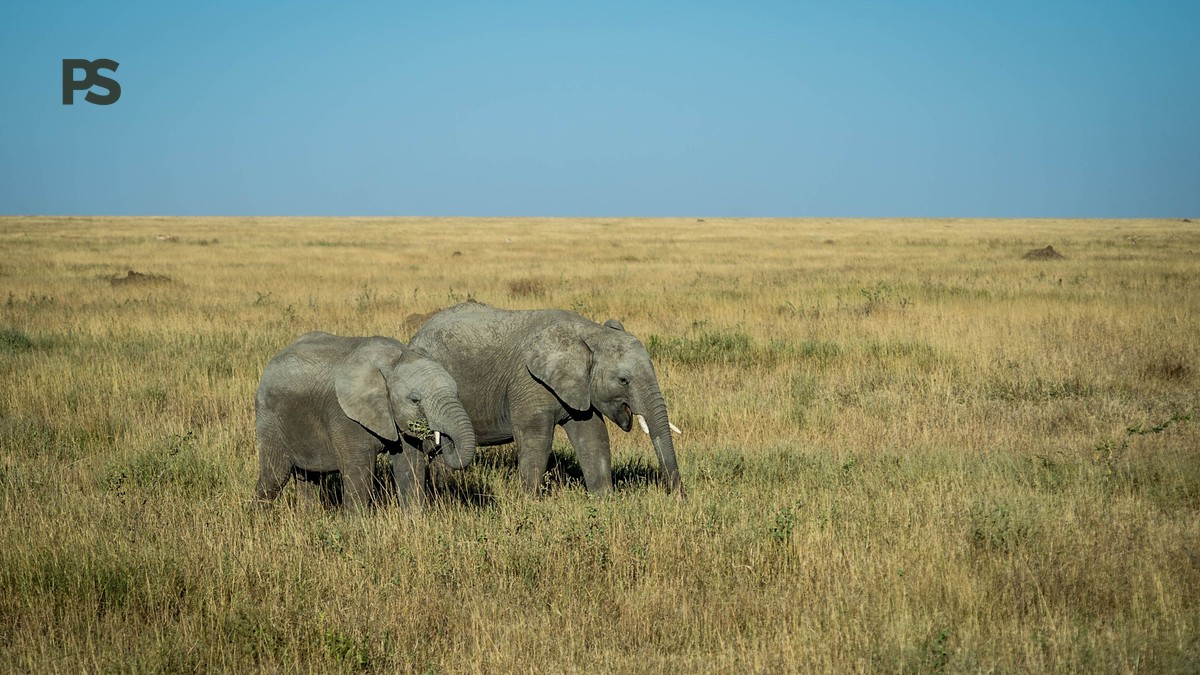
Yes. Amboseli National Park sits about 40 km north-northwest of Kilimanjaro’s summit, just across the border in Kenya, while the mountain itself is in Tanzania. On a clear day the peak, glaciers and all, fills the southern skyline. It’s one of the few places in Kenya where you can watch elephants with a snow-capped mountain behind them in the same frame.
The catch is that Kilimanjaro makes its own weather. The mountain is tall enough to pull moist air up its slopes, and that air cools and turns to cloud most afternoons. So “can you see it” is really a question of when.
Best months for clear Kilimanjaro views
Two windows give you the best odds: late June through October, and January into February. Both sit inside Kenya’s dry seasons, when there’s less moisture in the air to build cloud around the peak.
| Season | Months | Typical clear-view odds (indicative) | Trade-off |
|---|---|---|---|
| Long dry season | Late June to October | Roughly 60-70% of mornings | Dustier air, hazier midday light |
| Short dry season | Late December to February | Roughly 55-65% of mornings | Warmer days, busier camps over Christmas |
| Short rains | November | Roughly 30-40% | Cloud most days, but dramatic light after storms |
| Long rains | March to May | Roughly 20-30% | Lowest odds, but green landscape and fewer vehicles |
These percentages are indicative estimates built from typical East African cloud patterns and guide experience, not a published meteorological study. Treat them as a planning guide, not a guarantee.
August and September are the sweet spot for most first-time travelers. You get dry tracks, cooler mornings, and a real shot at the mountain without the crowds of the December holidays.
Best time of day to see Kilimanjaro from Amboseli
This matters more than the month. Cloud usually builds through the day, so your best window is dawn, roughly 6:00 to 9:00am, before the sun has warmed the air enough to push moisture up the mountain’s flanks.
A second, shorter window opens in late afternoon, around 4:30 to 6:30pm, as the day cools and some of the cloud thins before sunset. It’s less reliable than dawn but worth watching if you’re already out on a game drive.
By midday, from about 10:00am to 3:00pm, the summit is usually wrapped in cloud. Don’t plan your one Kilimanjaro attempt around lunch.
Why the mountain hides
Kilimanjaro stands 5,895 meters tall, high enough to force warm, moist air from the surrounding plains upward. As that air rises it cools, and cooling air can’t hold as much water vapor, so it condenses into cloud around the upper slopes. This happens on a fairly predictable daily cycle, which is exactly why dawn works better than afternoon.
Dust plays a role too. In the dry months, wind lifts fine volcanic soil off the Amboseli lakebed, and that haze can soften the view even under an otherwise clear sky. It’s part of why late dry season mornings, right after a light overnight dew settles the dust, often give the sharpest views.
Here’s the trick guides rarely tell first-timers: if the peak is covered at 7:00am, don’t give up. Wait ten to fifteen minutes and watch the cloud line. It often shifts just enough to reveal the summit for a few minutes before closing again.
Best viewpoints inside Amboseli
Not every corner of the park has the same sightline. Four spots consistently deliver the clearest angle.
Observation Hill is the park’s only hill open to visitors, and it gives you a wide view over the swamps with Kilimanjaro directly behind. It’s an easy stop and the best all-around option for first-timers.
Enkongo Narok Swamp puts elephants in the foreground with the mountain behind them, which makes for the classic Amboseli photograph. Go early, before other vehicles arrive and stir up dust.
Sinet Delta, in the park’s western reaches, is quieter and less visited, with a similar swamp-and-mountain composition.
The open lakebed near Amboseli Lake (dry most of the year) gives an unobstructed, wide-open view with nothing between you and the peak, though there’s less wildlife in frame here.
Best camps and lodges for a Kilimanjaro view
Where you sleep affects how fast you can get to a good vantage point at dawn, which matters when your clear window might only last twenty minutes.
| Lodge/Camp | Distance to a Kilimanjaro viewpoint | Approx. price range (per night, indicative) | Dawn-access speed |
|---|---|---|---|
| Ol Tukai Lodge | Inside the park, 2-3 km to Observation Hill | USD 350-500 (double, full board) | Fastest, rooms often face the mountain directly |
| Amboseli Serena Safari Lodge | Inside the park, near Enkongo Narok Swamp | USD 300-450 (double, full board) | Fast, short drive to swamp viewpoints |
| Tortilis Camp | Outside the park’s Kimana side, 20-30 minutes to gate | USD 700-950 (double, full board) | Moderate, but many tents have private mountain views |
| Satao Elerai | On a private conservancy south of the park, closest to the mountain itself | USD 450-650 (double, full board) | Fast within the conservancy, no park gate needed |
Prices are indicative ranges for planning and shift with season and availability. Ol Tukai and Serena sit inside the park boundary, so you can be at Observation Hill before the light has fully broken. Satao Elerai, on a private conservancy, skips park gate queues entirely and often has the closest unobstructed angle on the mountain.
How many nights do you need
Think of each dawn as a lottery ticket, not a certainty. In a solid dry-season week, roughly two out of every three mornings deliver a clear or partly clear peak.
One night gives you one shot. Two nights give you roughly two dawn chances, which pushes your odds of at least one clear sighting above 80% in peak dry months. Three nights is the safe number if seeing Kilimanjaro matters more to you than anything else on the trip.
This is the same logic that applies to how many days a photography safari really needs: wildlife and weather both reward patience over a single rushed visit.
Wet season trade-off
November and the long rains from March to May cut your odds of a clear peak by roughly half. But rain has a silver lining. Right after a storm passes, the air is scrubbed clean of dust, and some of the sharpest, most dramatic mountain photos come from a break in the clouds an hour after rainfall.
If you’re traveling in the wet season anyway, don’t skip Amboseli. Just don’t build the whole trip around Kilimanjaro. Treat a clear view as a bonus, not the plan.
Photography tips for shooting the mountain
Shoot wide to capture elephants or acacia trees with the peak behind them, since Kilimanjaro alone against blank sky is a less interesting frame. Bracket your exposure, because the snowcap is far brighter than the plains below it and can blow out if you meter for the foreground.
Dust is the real enemy of your gear here, more than rain. Vehicles kick up fine volcanic silt on every drive, and it works into lens mounts and camera bodies fast. It’s worth reading up on keeping your camera gear dust-free on safari before you pack, especially if you’re bringing a mirrorless body with exposed sensor contacts.
Costs: park fees
Amboseli National Park, run by Kenya Wildlife Service, charges USD 90 per adult per day for non-residents. That’s on top of your lodge rate and any vehicle or conservancy fees. Children typically pay a reduced rate, and it’s worth confirming current child pricing with your operator before you travel, since it can change.
Compare that to a Masai Mara safari, where fees run USD 100 per adult per day from January to June. They jump to USD 200 per adult per day from July to December, during peak migration season. Amboseli is genuinely one of the more affordable parks in southern Kenya, and pairing it with the best time to see leopards in the Mara makes for a well-balanced two-park circuit if you have eight days or more.
The Plain Safaris Difference
Most guides rank Kilimanjaro viewing by month and stop there. We rank it by month, hour, and exact camp, because that’s what actually decides whether you see the mountain. We’ve stood on Observation Hill enough dawns to know the ten-minute wait is worth it, and we build itineraries with at least two nights in Amboseli specifically so a single cloudy morning doesn’t cost you the shot.
We also tell you the honest odds. No page promising a guaranteed Kilimanjaro sighting is being straight with you. What we can promise is the right camp, the right viewpoint, and enough nights stacked in your favor.
Plan Your Amboseli Trip
Ready to build a Kilimanjaro-focused Amboseli stay around the right dawns, camps, and viewpoints? Get in touch through our contact page and we’ll put together an itinerary with real odds, not guesses.