
If you’ve been researching a Kenya trip for more than a week, you’ve probably run into the big five, little five, and ugly five and wondered if you’re supposed to hunt down all fifteen animals on one itinerary. You’re not, and honestly, trying to would ruin your safari.
Here’s what each grouping actually means, which animals are in it, and where in Kenya your guide has the best shot at finding them. I’ll also tell you honestly which ones eat into game-drive time that’s better spent watching a pride of lions.
What Is the Big Five (and Why They’re Called That)
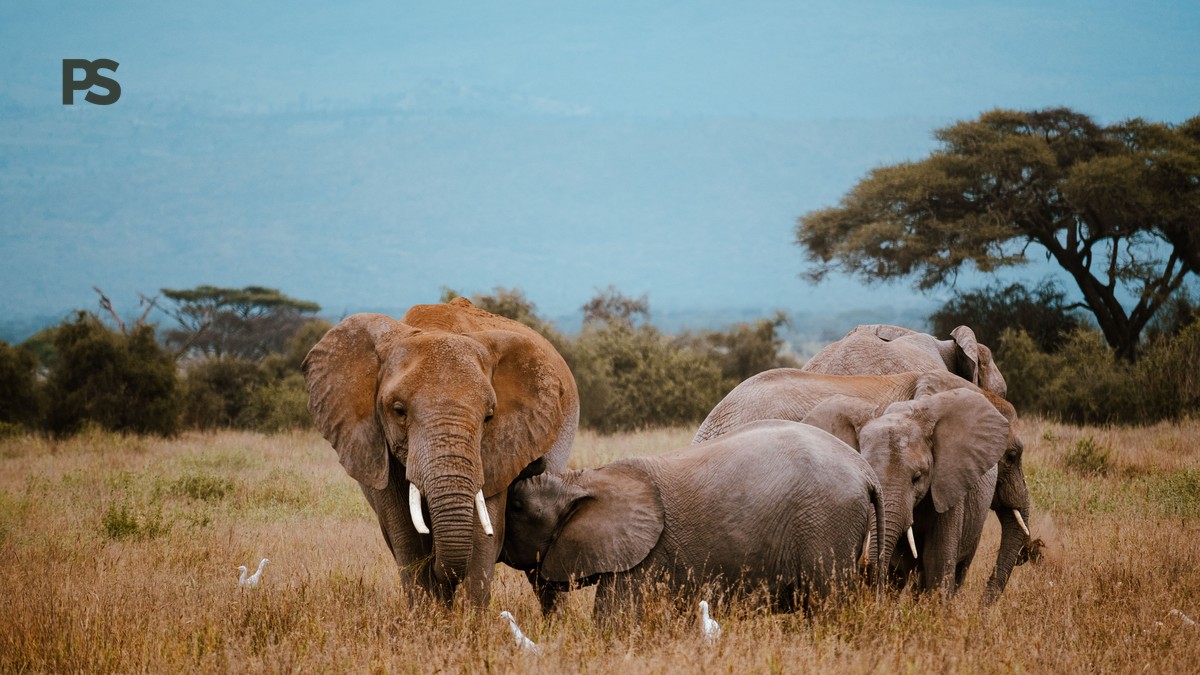
The Big Five are lion, leopard, elephant, African buffalo, and black rhino. The name has nothing to do with size or popularity. Early European hunters coined it for the five animals hardest to track and bring down on foot, because they were the most likely to charge back.
That history is a little grim, but the name stuck once safari tourism took over from hunting in the mid-1900s. Today it’s shorthand for the animals every first-time visitor hopes to see, and most Kenya lodges will tell you honestly how often their guests tick all five.
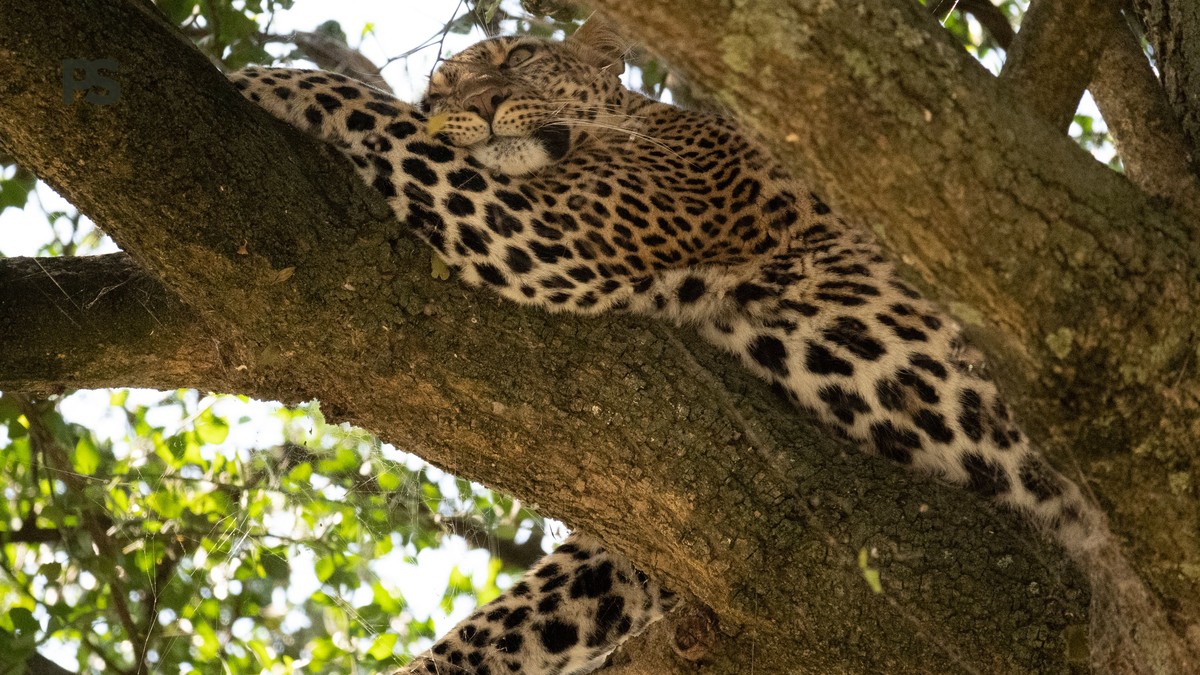
Leopards are the trickiest. They’re solitary, mostly active at dawn and dusk, and spend a lot of daylight hours draped in a tree where they’re easy to miss. Conservancies like Naboisho and Mara North, which cap vehicle numbers per sighting, tend to give guides more room to track them without a pileup of vehicles scaring the cat off. If you want to know more about picking out a leopard from a distance, our guide to telling cheetah and leopard apart covers the spot patterns and body shape differences.
Rhinos are the rarest overall. Black rhinos in the Mara number only in the dozens, spread across a reserve the size of Nairobi’s entire metro area. Your best odds are actually Lake Nakuru National Park or Ol Pejeta Conservancy near Nanyuki, both of which run active rhino protection programs. Ol Pejeta is also home to Najin and Fatu, the last two northern white rhinos on the planet. If you’re routing through there, it’s worth reading about the last northern white rhinos at Ol Pejeta before you go.
The Little Five: Species by Species
The Little Five shares names with the Big Five but nothing else. These are small, easy to overlook, and require a guide willing to stop the vehicle for something the size of a coin.
- Elephant shrew: A tiny, long-nosed mammal that darts through leaf litter. Best found in Tsavo’s scrubland, and even then it takes a sharp-eyed tracker.
- Buffalo weaver: A noisy black bird that builds messy communal nests in acacia trees. Common almost everywhere, including around camp at breakfast.
- Leopard tortoise: Named for its spotted shell. Slow-moving and genuinely easy to spot on quiet park roads in Amboseli or the Mara.
- Rhino beetle: A large horned beetle, mostly nocturnal, occasionally found near camp lighting at night.
- Antlion: The larva builds small funnel-shaped pits in sandy soil to trap ants. Guides who know where to look can show you the trap; seeing the actual larva takes patience.
The antlion and elephant shrew are the two that genuinely slow down a game drive. If your guide stops for fifteen minutes to find an antlion pit and you’d rather be watching cheetahs, say so early. Good guides will read the group and adjust.
The Ugly Five: Species by Species
The Ugly Five is a newer, more tongue-in-cheek label coined by safari marketers, not scientists. It’s warthog, wildebeest, spotted hyena, marabou stork, and vulture, usually the lappet-faced vulture.
- Warthog: Common across almost every Kenya park, easy to spot trotting with its tail straight up like an antenna.
- Wildebeest: Famous for the Great Migration through the Mara between roughly July and October, when over a million cross the Mara River from the Serengeti.
- Spotted hyena: Often dismissed as scavengers, but they’re skilled hunters that take down prey on their own more often than people assume.
- Marabou stork: A tall, bald-headed bird that hangs around carcasses and rubbish sites, with a wingspan that can top 2.5 meters.
- Vulture: Several species turn up in Kenya, and all of them do the unglamorous work of cleaning up carcasses within hours.
Why the Ugly Five Matter Ecologically
Every one of these animals does a job the ecosystem depends on. Vultures and marabou storks clear carcasses fast enough to slow the spread of disease. Hyenas keep weaker or sick prey animals from dragging down herd health. Wildebeest, through sheer migratory numbers, fertilize huge stretches of grassland as they move.
Vulture populations across East Africa have dropped sharply over the past two decades, mostly from poisoned carcasses set out for predators. Fewer vultures means carcasses linger longer, which has knock-on effects for disease control across the whole reserve. It’s worth knowing this before you dismiss them as the animals nobody wanted on the list.
Bonus Categories: Shy Five and Impossible Five
Once operators realized the naming trick worked, more lists followed. The Shy Five, aardvark, aardwolf, bat-eared fox, porcupine, and African civet, groups nocturnal animals that avoid daylight and vehicles alike. You’ll have better luck on a night drive in a private conservancy like Naboisho, since most national parks don’t allow driving after dark.
The Impossible Five is a different animal altogether, built around Central Africa’s forest species like bongo and okapi, and it isn’t really a Kenya list at all. If a blog tells you Kenya is the place to tick the Impossible Five, take that with a grain of salt.
Where to Spot the Big Five, Little Five, and Ugly Five in Kenya
Here’s a realistic comparison of where each grouping is most reliably found, with drive times from Nairobi and current park fees.
| Grouping | Best Kenya Location | Drive from Nairobi | Non-Resident Park Fee |
|---|---|---|---|
| Big Five (all five) | Masai Mara National Reserve | ~5-6 hrs (270 km) or 45-min flight | USD 100/day (Jan-Jun), USD 200/day (Jul-Dec) |
| Big Five (rhino focus) | Ol Pejeta Conservancy | ~3 hrs (200 km) | Indicative USD 90-100/day, set by the conservancy |
| Little Five | Amboseli National Park | ~4 hrs (240 km) | USD 90/day |
| Ugly Five | Masai Mara Triangle / Naboisho Conservancy | ~5-6 hrs (270 km) | USD 100-200/day plus conservancy fee, roughly USD 80-150/night |
| Rhino (black) backup | Lake Nakuru National Park | ~2.5-3 hrs (160 km) | USD 90/day |
Remember the Masai Mara reserve fee jumps in July for migration season, and it’s collected by Narok County Government, not the Kenya Wildlife Service. Conservancy fees like Naboisho or Mara North are usually folded into your nightly lodge rate rather than billed separately at a gate.
Can You Tick All Three Fives on One Safari?
Realistically, yes, but not on a rushed three-day trip. A six to eight day circuit through the Mara, Amboseli, and one KWS park like Nakuru or Tsavo gives you enough game drives, and enough patient guides, to reasonably find all fifteen animals.
The Big Five is achievable in the Mara alone if you stay four nights minimum, since leopards especially need repeat drives. The Little Five needs a guide who’ll dedicate part of a morning to slow, close-range looking rather than covering ground fast. The Ugly Five basically finds you; you’ll see warthogs and vultures without trying.
If birds interest you too, pair this trip with Kenya’s Big Six birding checklist for another angle on the same drives.
The Plain Safaris Difference
We build itineraries around actual pacing, not a checklist crammed into too few days. That means telling you honestly when a camp sits forty minutes from the nearest river crossing. It means picking conservancies that limit vehicles per sighting, so your guide can actually stop for an antlion pit without three other trucks queuing behind. And it means telling you which parks are worth the higher July entrance fee, and which aren’t.
Our guides know the difference between a drive built for photographers chasing leopards and one built for a family with young kids who’d rather watch warthogs and learn why hyenas get a bad rap. We plan the mix, not just the destination.
Ready to Plan Your Own Safari?
If you want a Kenya itinerary built around what you actually want to see, from the Big Five in the Mara to the smaller, stranger animals most trips skip, get in touch through our contact page or browse our safari packages to start planning.