
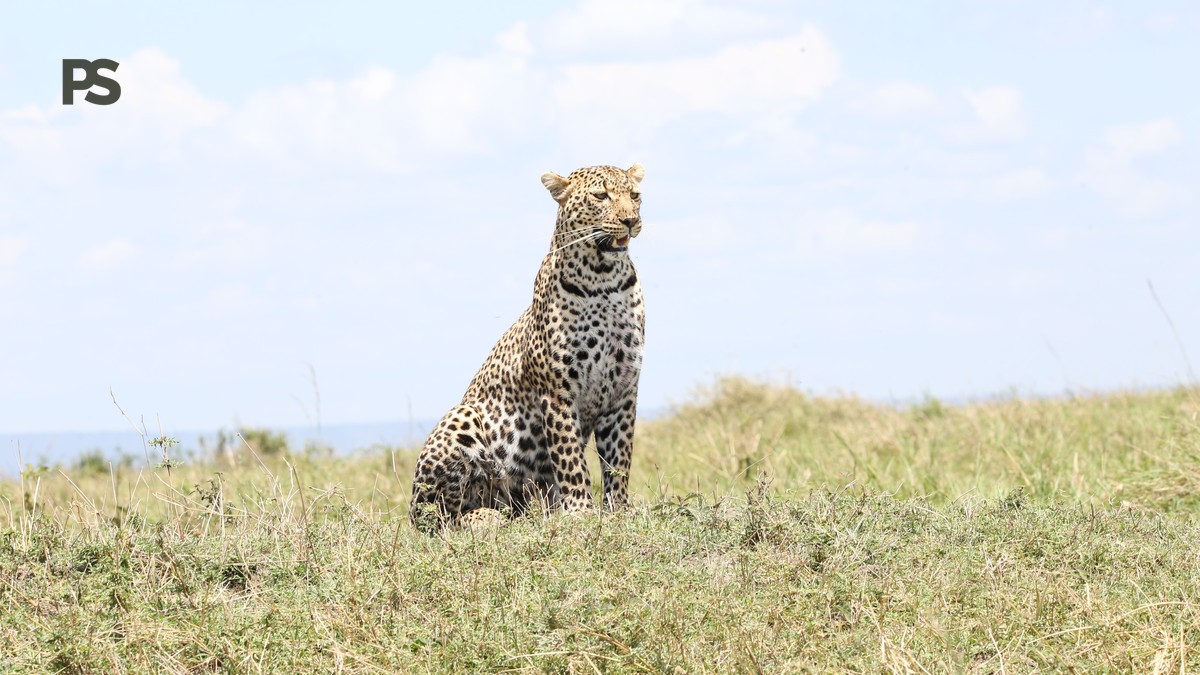
Leopards do not care about your itinerary. That is the first thing I tell every photographer who climbs into my vehicle at Ol Kiombo or Talek Gate. But after years of driving these tracks at dawn, I can tell you there are real patterns to when and where they show themselves. This guide breaks down the best time to see leopards in the Mara, with the exact months, the exact hours, and the exact patches of ground where your odds go up.
Best Time of Day to See Leopards
Leopards hunt at dusk and dawn, and they rest through the heat of the day. Your best window is the first hour after the gates open, usually 6:15am to 8:30am, when the light is soft and cats are still moving from a night hunt back to cover. The second window runs from about 5pm until the reserve closes at 6:30pm.
For photographers, this matters twice over. Early light gives you low, warm sun that suits spotted coats and does not blow out highlights the way midday glare does. A leopard draped over a sausage tree branch at 6:45am, backlit by a low sun, is a completely different photograph than the same cat at noon.
Midday sightings happen, mostly when a leopard is digesting a kill in a tree along the Talek River or Mara River. Guides watch for vultures and hanging carcasses as much as they watch for the cat itself.
Best Season to See Leopards
The dry season, from June through October, is the strongest stretch. Grass is shorter, waterholes concentrate prey, and leopards move along predictable drainage lines like the Talek and the Ntiakitiak. Visibility is simply better when the grass is not chest high on a Land Cruiser.
January and February bring the calving season on the southern plains. Impala and gazelle give birth in large numbers, and leopards near the tree lines take advantage of easy young prey. This is a quieter, less crowded window with genuinely good cat activity.
The long rains, from March through May, are the hardest stretch. Tracks get muddy, grass grows tall, and leopards vanish into cover more easily. Sightings still happen, but you will work harder for them.
| Season | Months | Leopard Visibility | Crowds | Notes |
|---|---|---|---|---|
| Dry season | June to October | High | Heavy, especially August to September | Short grass, predictable river-line movement |
| Calving season | January to February | Good | Moderate | Southern plains, easy prey for cats near tree cover |
| Long rains | March to May | Low | Light | Tall grass, muddy tracks, harder tracking |
| Short rains | November | Moderate | Light | Grass regrowing, still decent odds along the Talek |
Best Places in the Mara to Find Leopards
Leopard Gorge, near the Mara North boundary, earned its name honestly. A resident female has denned in the rocky outcrops here for well over a decade, and her descendants still use the same terrain. It remains one of the more reliable single spots in the whole ecosystem, though it is not a guarantee on any given morning.
Talek River, along the reserve’s northern edge, holds thick riverine cover that leopards favor for daytime rest. Guides who know the drainage lines here can often predict which fig tree a cat is likely to be using that week.
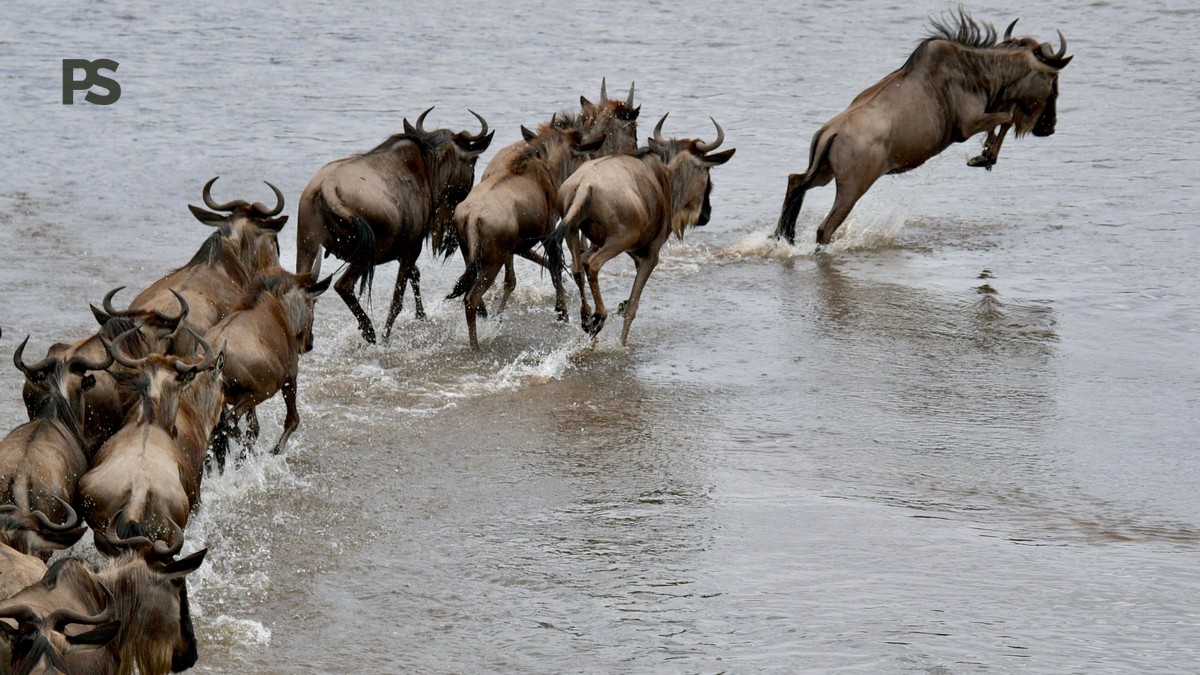
Mara River, especially the stretch near the Serena crossing point, has more open sightlines. Leopards here tend to be shier because vehicle traffic during migration season, July through October, gets heavy.
Olare Motorogi Conservancy, Mara North Conservancy, and Naboisho Conservancy sit along the reserve’s northern and eastern boundaries. All three cap vehicle numbers at each sighting, usually two to four vehicles maximum, and all three allow off-road driving and night drives, which the main reserve does not. If you want a longer, unhurried look at a leopard without ten other vehicles jostling for position, this is where the difference in Plain Safaris really shows up. For a fuller breakdown, see our piece comparing Naboisho and Ol Kinyei for leopard sightings.
Night Game Drives: Where They Are Actually Legal
The Masai Mara National Reserve does not permit night drives. Gates close at 6:30pm and that is final, no exceptions for guides or private vehicles. This rule exists to protect nocturnal hunting behavior from vehicle disturbance, and it is enforced.
Private conservancies bordering the reserve, including Naboisho, Mara North, and Olare Motorogi, do allow night drives as part of their conservancy agreements with local Maasai landowners. These drives use red-filtered spotlights that are less disruptive to animal eyes, and they are often the best chance to see a leopard actually hunting rather than resting. For the full rundown on rules, permits, and what gear works best after dark, read our guide on where night game drives are actually allowed.
Reserve vs Conservancy: The Honest Trade-Off
The reserve is cheaper and it is where the famous river crossings happen. But it also carries more vehicles, no off-road driving, and no night access.
| Factor | Masai Mara National Reserve | Naboisho / Mara North / Olare Motorogi |
|---|---|---|
| Entry fee (non-resident) | USD 100/adult/day (Jan-Jun), USD 200/adult/day (Jul-Dec) | Roughly USD 80-150/person/night, bundled into lodge rate |
| Night drives | Not permitted | Permitted |
| Off-road driving | Not permitted | Permitted |
| Vehicles per sighting | Often 10-20+ in peak season | Capped, usually 2-4 |
| Best for | River crossings, big herds | Patient, close leopard and cat work |
Paying the higher conservancy rate is not just a fee for a nicer camp. It buys quieter sightings, off-road access to a den site, and a night drive that the reserve simply cannot offer. For a photographer chasing one clean, uncrowded frame of a leopard at last light, that trade-off is usually worth it.
How Many Leopards Live in the Mara, and How Rare Is a Sighting
Estimates for the greater Mara ecosystem put the leopard population in the range of 200 to 250 individuals, though leopards are hard to census precisely because they are solitary and largely nocturnal. Unlike lions, they do not live in visible prides, so your guide is working from memory of specific individuals and territories built up over years.
A first-time visitor on a three-night stay has a solid chance, often better than half, of at least one leopard sighting if the itinerary includes a conservancy with night-drive access. Reserve-only trips lower those odds somewhat, simply because you lose the dawn and dusk windows when gates are shut.
Tips for Better Leopard Sightings
Book at least three nights, not one. Leopards are found through patient, repeated passes over known territory, not luck on a single afternoon drive.
Choose a camp positioned for a short run to prime territory. A camp fifteen minutes from Leopard Gorge beats one an hour away, especially for that first-light window. Our post on camps best positioned for golden-hour game drives breaks down specific properties by drive time.
Trust your guide’s radio network. Sightings get shared between vehicles, and a guide who has worked the conservancy for years will know which fig tree to check first.
Keep your voice down and your movements slow once you find a cat. Leopards are easily pushed back into cover, and a calm vehicle gets a longer, better sighting than one full of excited chatter.
Frequently Asked Questions
What is the best month to see leopards in the Masai Mara? August and September during the dry season, with January and February a close second for calving-season activity.
What time of day are leopards most active? Just after dawn and just before dusk, roughly 6:15am to 8:30am and 5pm to 6:30pm in the reserve.
Is Leopard Gorge still reliable? Yes, though it is not a guarantee. Resident females have used the site for generations, and guides check it regularly.
Can you see leopards on a night drive? Yes, but only in private conservancies like Naboisho, Mara North, and Olare Motorogi. The reserve does not allow night drives.
Is it worth paying extra conservancy fees for leopards? For most photographers, yes. Lower vehicle caps and night access usually outweigh the higher nightly rate.
The Plain Safaris Difference
We build leopard-focused itineraries around drive time, not just camp names on a list. That means checking how far a lodge actually sits from Leopard Gorge or the Talek River line, not just its marketing photos. We route clients into conservancies with proven low vehicle caps when the goal is close, patient photography, and we are upfront when the reserve alone will not deliver the sighting a guest wants. Our guides log territory notes season to season, so a return client gets a guide who already knows which stretch of riverine forest is worth the extra ten minutes.
Plan Your Leopard Safari
If you want a trip built around real leopard odds rather than a generic Big Five checklist, we can put together an itinerary around the conservancies and camps covered here. Get in touch through our contact page and we will start mapping out the right window and the right corner of the Mara for you.