
This Plain Safaris Kenya safari FAQ for Spanish speaking travelers answers the questions you have before booking. Planning a Kenya safari from Spain, Mexico, Argentina, or Colombia raises many questions. You want clear answers, not sales talk. We run safaris on the ground in Kenya. We wrote this guide to help you plan with confidence.
Plain Safaris Kenya Safari FAQ for Spanish Speaking Travelers: Do I Need a Visa or eTA for Kenya?
Yes. All visitors need an eTA, not a visa. This applies to citizens of Spain, Mexico, Argentina, and Colombia. The process is online. You apply at the official Kenya eTA website. The cost is around USD 34 plus a service fee. Approval usually takes 3 to 5 working days. Apply at least two weeks before your trip.
You need a passport valid for at least six months. You also need a return ticket and proof of accommodation. Hotels and camps provide this confirmation. Our Kenya eTA visa requirements guide explains the full process step by step.
What Vaccines Are Required or Recommended for Kenya?
Yellow fever is the only vaccine with a mandatory certificate. Kenya requires it if you arrive from a country with yellow fever risk. That includes most of South America. If you fly from Spain or Mexico directly, the certificate is not strictly required. But bring it if you have it. Health officials may ask at the border.
Other recommended vaccines include hepatitis A, typhoid, and tetanus. Malaria prophylaxis is strongly advised. The risk is low in Nairobi but real in safari areas like the Masai Mara. Talk to your doctor six weeks before travel. Carry mosquito repellent with DEET. Sleep under the net provided by your camp.
Is It Safe to Go on Safari in Kenya?
Yes, safari tourism is safe. The camps and conservancies are well managed. You will be with a professional guide at all times. Wildlife areas are far from the cities. The roads between parks are patrolled and busy with tourism traffic.
The main risks are natural. Listen to your guide about wildlife distances. Do not step out of the vehicle in the park. Keep your windows up near lions or elephants. In Nairobi, use hotel transport at night. The rest of your trip is calm, quiet, and very safe.
Do Safari Guides Speak Spanish? What Does It Cost Extra?
Yes. Many Kenyan guides speak Spanish. But not all. Spanish-speaking guides are in high demand. You must book them in advance. A dedicated Spanish guide costs extra. Expect a supplement of USD 100 to USD 150 per day. This covers the guide and often a vehicle upgrade.
Is it worth it? Yes, if you want to understand the details. A guide explains animal behavior, bird calls, and local history. The experience is richer in your own language. For honeymooners or luxury travelers, the cost is small. For budget travelers, consider a shared group with a bilingual guide. Learn more about which languages Kenya safari guides speak.
How Much Does a Kenya Safari Cost per Person per Day?
Costs vary by season and lodge level. Here are real daily rates, per person, sharing a room.
| Lodge Level | Cost per Person per Day (USD) | Example Camps |
|---|---|---|
| Budget camping | 150 to 250 | Sunbird, Enchoro Wildlife Camp |
| Mid-range lodge | 300 to 500 | Basecamp Masai Mara, Kilima Camp |
| Luxury tented camp | 600 to 1,000 | andBeyond Bateleur, Mara Plains |
| Exclusive-use villa | 1,500 to 2,500 | Richard Branson’s Mahali Mzuri, Ol Seki |
Park fees are separate. Masai Mara National Reserve costs USD 100 per adult per day from January to June. From July to December it costs USD 200. That is the peak migration season. Amboseli National Park costs USD 90. Lake Nakuru costs USD 90. Tsavo East and West cost USD 80 each.
Private conservancies like Mara North and Naboisho bundle the fee into your lodge rate. Expect an extra USD 80 to 150 per person per night. This covers exclusive access and lower vehicle numbers. A luxury safari with private conservancy and a Spanish guide costs roughly USD 800 to 1,200 per person per day. Budget a full week for a complete experience.
What Is the Best Time of Year to Go on Safari?
The best time depends on what you want to see. For the Great Migration, visit from July to October. The river crossings happen in the northern Mara. This is also the busiest and most expensive season. Book well ahead.
For lower prices and fewer crowds, visit in January and February. The grass is short. Game viewing is excellent. The weather is dry and warm. June is another good month with good rates before peak season.
The long rains fall from March to May. Some camps close. The short rains come in November. These are green, quiet months. Birdwatchers love them. Honeymooners on a budget get great value.
How Many Days Should My Safari Be?
A minimum of 4 to 5 days is needed. That gives you 3 full game drives in one park. Add 2 days for travel from Nairobi. If you want two parks, plan for 7 nights. A classic circuit is Masai Mara and Amboseli. This takes 6 to 7 days.
For a truly private experience, include a conservancy like Naboisho or Ol Pejeta. That extends the trip to 9 nights. You then have time for slow mornings, spa treatments, and bush dinners. Honeymooners should plan 8 to 10 days. This allows downtime between game drives.
What Should I Pack for a Kenya Safari?
Pack light. Camps often have laundry service. You need neutral colored clothes. That means khaki, beige, and olive. Avoid bright colors and white. They stand out to wildlife.
For daytime, wear light long sleeves and trousers. This protects against sun and mosquitoes. Mornings and evenings are cold, especially in a safari vehicle. Bring a fleece jacket and a windbreaker. In July and August, add a warm hat and gloves.
Footwear matters. Closed shoes are best for walking safaris. Sandals are fine for camp. Bring a headlamp for night walks. Binoculars are essential. A good camera with a zoom lens is a must. Carry a small daypack for your camera and water.
What Is the Luggage Limit on Safari Light Aircraft?
Safari flights use small planes. The luggage limit is strict. Most airlines allow 15 kg (33 lbs) per person in a soft bag. That is total weight, not just carry-on. Hard suitcases do not fit well. They are often rejected or delayed.
Buy a duffel bag or a soft-sided suitcase. Keep the weight low. Heavy items like hairdryers and multiple shoes are best left at home. Plan for laundry at camp. If you need more luggage, you can leave it in Nairobi. Most top hotels in Nairobi will store a bag for you.
Can I Go on Safari with Young Children or Elderly Parents?
Yes, with planning. Most camps accept children aged 6 and up. Some luxury camps have age limits of 8 or 10. Check before booking. Game drives are long and bumpy. A 6 year old may struggle after 4 hours. Bring snacks, games, and a cushion.
For elderly parents, choose a camp with easy access. Avoid walking safaris. Ask for a ground-floor tent with a proper bed. Flights are short and convenient. The higher cost of private charters gives more flexibility. Families often use an exclusive-use vehicle. That lets you return to camp for lunch and naps.
How Much Tip Should I Give the Guide and Camp Staff?
Tipping is expected in Kenya. Budget USD 10 to 15 per person per day for the guide. This is for good service. For the camp staff, pool a total of USD 10 to 15 per person per day. Give this to the camp manager at the end. They share it among the team.
In top luxury camps, tips run higher. Check if a service charge is already included. Some camps add 10 percent to the bill. Ask your operator to confirm. Pay tips in US dollars cash. Small notes are very useful.
Is There WiFi and Mobile Coverage in Safari Camps?
Yes, most camps now offer WiFi. The signal is usually strong in the main dining area. It may be weak or absent in your tent. That is often a blessing. Disconnect and enjoy the view.
Mobile phone coverage is good throughout the Masai Mara. You can make calls and send texts. Data speeds are fine for email. Video calls are possible but may buffer. In remoter conservancies like Laikipia, coverage is patchier. Your lodge will have a satellite phone for emergencies. Download offline maps before you travel.
Are There Direct Flights from Spain or Latin America to Kenya?
No. There are no direct flights from Spain or Latin America to Nairobi. You must connect through another hub. Common routes include:
- From Madrid: via Amsterdam (KLM), Paris (Air France), or Istanbul (Turkish Airlines)
- From Mexico City: via Amsterdam or Paris
- From Buenos Aires: via Sao Paulo and Doha (Qatar) or Istanbul
- From Bogota: via Madrid and then Istanbul or Doha
Total flight time is 14 to 20 hours plus layover. Build in a rest day in Nairobi after arrival. You will land in the morning or evening. Use that first night in a hotel near the airport. Then start your safari fresh the next day.
What Is the Difference Between a National Park, a Reserve, and a Conservancy?
This is important for your booking.
A national park is run by the Kenya Wildlife Service. Examples are Amboseli, Lake Nakuru, and Tsavo. You pay entrance fees at the gate. You cannot leave the vehicle outside designated areas. Vehicles may be many.
A national reserve is run by a county government. The Masai Mara is a county reserve. It has similar rules. Fees are higher during peak season.
A conservancy is private land run by a group of ranches or lodges. Examples are Mara North, Naboisho, and Ol Pejeta. You can drive off-road. Night drives are often allowed. You can do walking safaris. Vehicle numbers are strictly limited. Your lodge fee includes the conservancy fee. This is the premium safari experience.
Are the Big Five Guaranteed?
No. No safari can guarantee a sighting. This is wild nature.
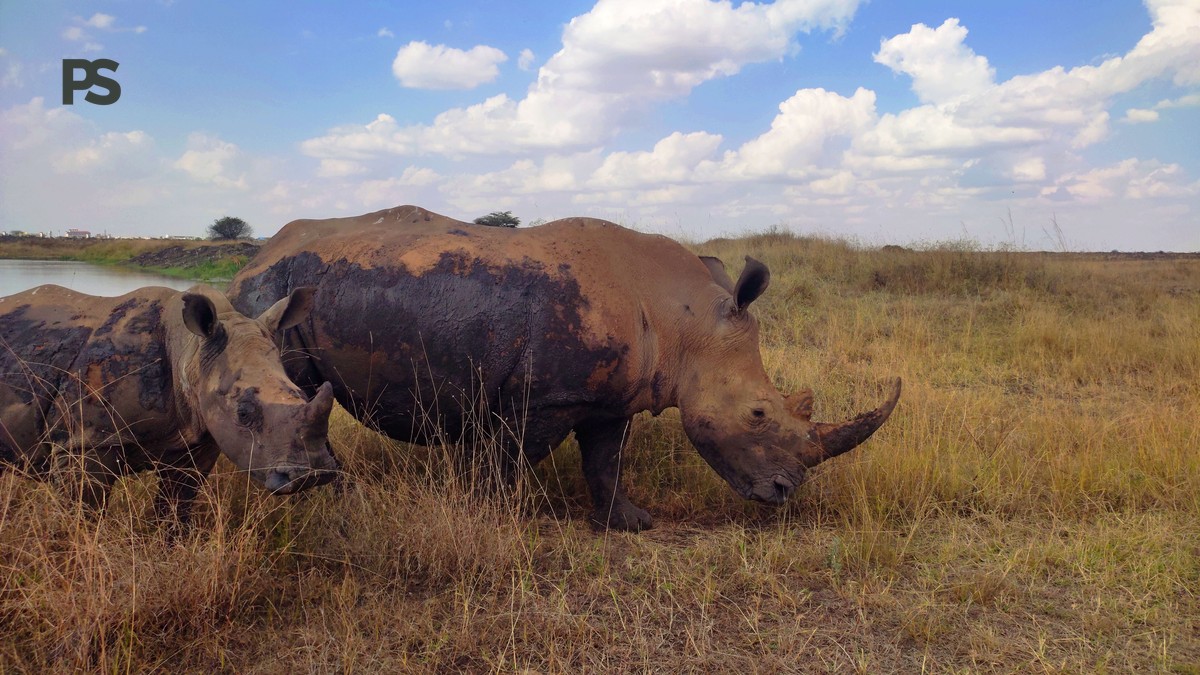
That said, the chances are excellent. In the Masai Mara, lions, leopards, and elephants are common. Rhinos are the hardest. Your best chance for rhinos is at Ol Pejeta Conservancy. It is home to the largest black rhino population in East Africa. Buffalo are everywhere.
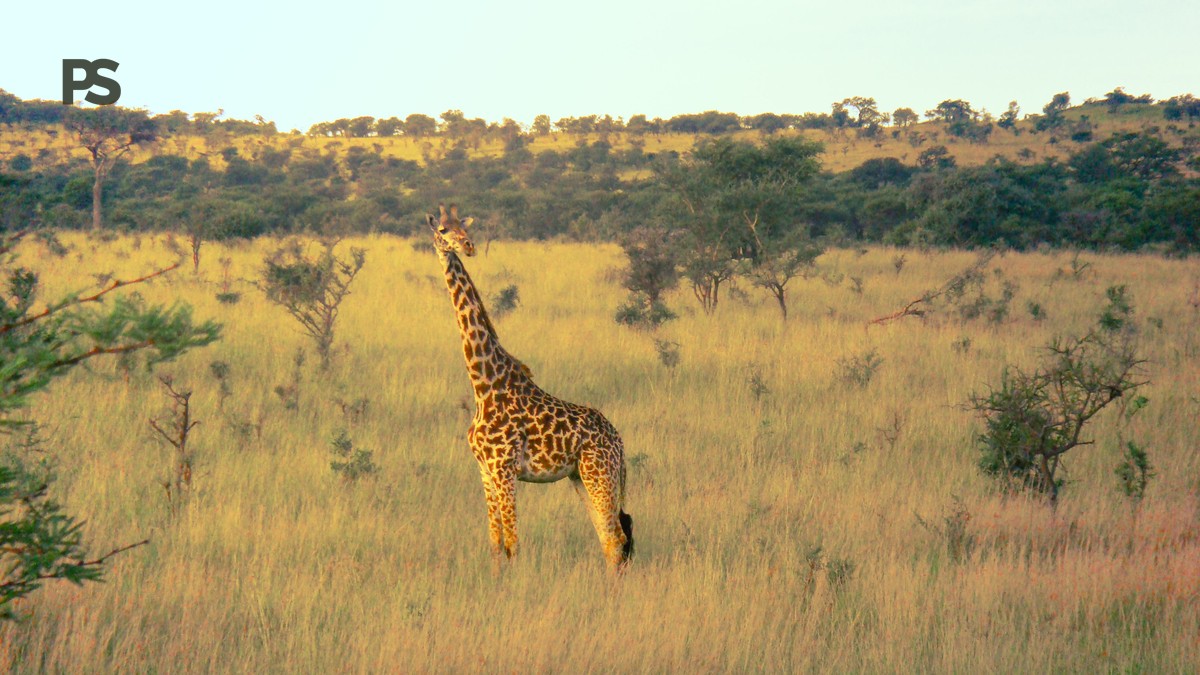
Your guide uses tracking skills and radio contact. You will see the Big Five over a 5 day trip. But plan to enjoy everything else. Cheetahs, giraffes, and birds are often highlights.
Is It Better to Book Directly with a Kenyan Operator or a Spanish Agency?
It depends on your priority. A Spanish agency offers ease. They handle your whole trip in your language. They may charge a premium of 10 to 20 percent.
Booking directly with a Kenyan operator like Plain Safaris gives you more control. You pay in US dollars. You get local knowledge. We are on the ground. If a flight is delayed, we adjust quickly. You also save money that goes directly to the local economy.
For honeymooners wanting a seamless plan, a trusted local operator with a dedicated Spanish guide is ideal. We combine the best of both. You get a local team with Spanish speaking staff. For another perspective, see our FAQ for German-speaking travelers.
What Is the Food Like? Are There Vegetarian, Vegan, or Gluten Free Options?
The food is excellent. Kenyan camps cater to international tastes. Expect three meals a day plus tea and snacks.
Vegetarian and vegan options are always available. Most lodges offer a vegetarian menu. Vegan dishes are easy to arrange. Tell us when you book. Gluten free diets are well handled. Bread, pasta, and desserts can be made without gluten at most top camps.
Breakfast may be a bush breakfast after a sunrise drive. Lunch is often a buffet. Dinner is a set menu under the stars. For honeymooners, ask for a private dinner in your tent or under a tree. This is a memorable experience.
The Plain Safaris Difference
We run small groups and private safaris. We know the roads, the camps, and the guides. We have negotiated honest rates. We do not add commissions for unknown agencies. We recommend specific conservancies based on your travel style.
For a luxury honeymoon, we suggest 7 nights in northern Mara. You stay in a private conservancy like Naboisho. Vehicle numbers are capped. You get morning walks and sundowners on the escarpment. The lodge has a spa and plunge pool. Nights are silent except for the bush.
Our drivers know the exact gates to avoid crowds. They know where the leopards rest in the afternoon. They will time your drive to catch the light at golden hour. We do not follow the masses. We give you a personal experience.
We also help with logistics. We arrange airport transfers, hotel nights in Nairobi, and internal flights. We can book a Spanish speaking guide. We explain the eTA process. We answer your questions before you fly.
What Is the Cancellation Policy and Deposit?
Standard terms are clear. A deposit of 30 percent confirms your booking. The balance is due 60 days before arrival. For peak season, full payment is due 90 days out.
Cancellation fees apply. They range from 15 to 100 percent, depending on timing. We recommend travel insurance. It covers cancellations for medical reasons or family emergencies. Check your policy covers safari activities. Most reputable insurers do.
We are flexible for changes. If you need to move dates, we try to help. Last minute changes are subject to camp policies. Our team will guide you through the process.
Ready to Plan Your Safari?
You now have the facts. You know the costs, the routes, and what to expect. The next step is simple.
Tell us about your travel style, your budget, and your dream safari. We will craft an itinerary with real prices and real camps. No surprises. No sales pressure.
Contact Plain Safaris to start planning. We are ready to show you the quiet corners of the Mara and Samburu. Let us make your honeymoon unforgettable.