
Stand on the edge of the Amboseli lakebed in August and you’ll watch a herd of elephants disappear into their own dust cloud before they’ve crossed halfway. This is what Amboseli dry season dust conditions look like up close. The low sun turns that cloud gold. It’s one of the best shots in Kenya. It’s also a warning about what your gear is about to go through for the next few hours.
Most articles about Amboseli mention dust as a throwaway line in a month-by-month weather chart. That’s not enough if you’re planning a photography trip around it. This post treats the dust itself as the subject: what causes it, which weeks are worst, what it does to your Kilimanjaro shots, and exactly how to keep it out of your camera.
What Causes Amboseli’s Dust
Amboseli sits on the bed of a Pleistocene-era lake that dried up thousands of years ago. Most of the year it’s a flat, cracked pan of fine alkaline silt with almost no vegetation to hold it down. After the rains it can flood again, but for the dry months it’s bare ground waiting for wind.
That wind comes steadily off the slopes of Kilimanjaro, funneling across the open basin with nothing to slow it. Add thousands of elephants, buffalo, and wildebeest crossing the pan every day between the swamps and the grazing plains, and you get a constant churn of loose soil into the air.
The name itself points to this. Amboseli comes from the Maa word Empusel, meaning “salty, dusty place.” Maasai herders named it that centuries before anyone brought a camera.
Amboseli Dry Season Dust Conditions by Month
The dry season runs roughly June through October, with the dust building steadily as the ground dries out further each week.
| Month | Dust Level | Wind Pattern | Kilimanjaro Visibility (before 8am) | Wildlife Near the Swamps |
|---|---|---|---|---|
| June | Moderate | Light, picking up late in the month | Good most mornings | Building steadily |
| July | High | Steady afternoon breeze | Fair, often hazy by mid-morning | Strong |
| August | Highest of the year | Strongest and most constant | Fair to poor once the wind rises | Peak concentration |
| September | High | Steady | Fair | Peak, still strong |
| October | High, easing late month | Moderate, more variable | Fair, improves toward month end | Strong, starting to disperse |
August is the month to plan around if dust bothers you. It’s also, not coincidentally, one of the best months for guaranteed elephant sightings near Enkongo Narok and Longinye swamps, since that’s exactly when the ground is driest everywhere else.
Dust vs. Kilimanjaro Views: The Trade-off
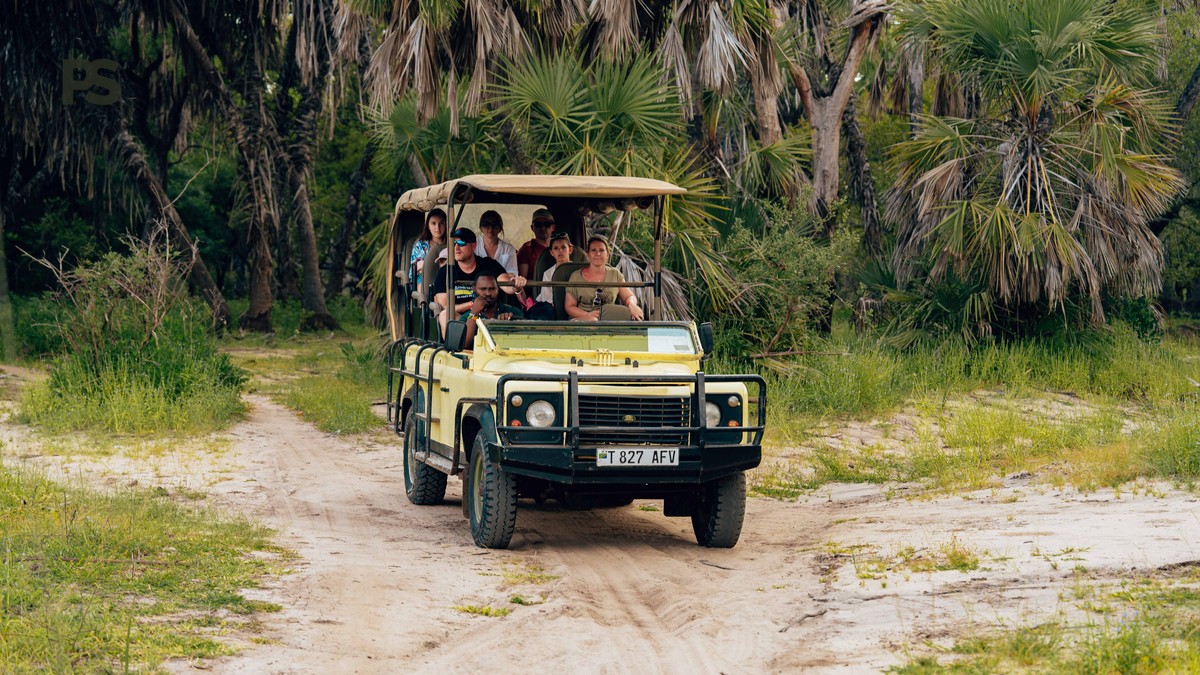
Kilimanjaro is only about 40 km from the park boundary, and on a clear morning it fills the frame behind a herd of elephants like nothing else in East Africa. The catch is that the mountain is usually only fully visible before the wind picks up.
From roughly 6:00am to 8:00am, the air over the lakebed is calmer and the dust from the previous day has settled. By 9:00 or 9:30am, rising heat and wind start lifting particulate into the air, and the mountain softens into haze or disappears behind cloud that forms on its own slopes regardless of dust. Camps on the eastern side of the park, closer to the Kimana Gate approach, and lodges like Ol Tukai Lodge that face the mountain directly, give you the shortest drive to a clear sightline before the window closes.
Dust vs. Wildlife: The Other Trade-off
Here’s the trade nobody quite says out loud: the dustiest months are also the months with the most predictable wildlife. When the lakebed and surrounding plains dry out completely, animals concentrate around the last remaining water at Enkongo Narok Swamp, Longinye Swamp, and the Sinet area. You get closer, more frequent sightings because the animals have fewer places to be.
The cost is air quality. Midday haze flattens contrast and mutes color. Backlighting gets harder to judge because the dust itself scatters light unpredictably. On the upside, that same dust can make for dramatic backlit shots of herds at golden hour, when the low sun turns a dust cloud into a wall of light behind the animals. If you’re planning a trip specifically around this kind of light, it’s worth reading up on a broader dry season photography safari strategy across Kenya’s parks, since Amboseli isn’t the only place this trade-off plays out.
Protecting Your Camera Gear from Amboseli Dust
This is the part most guides skip. Here’s what actually works in the vehicle:
- Never change lenses in the open vehicle when dust is blowing. Use a large ziplock or a plastic bin liner as a makeshift changing tent, sealing your hands and the camera body inside it while you swap glass.
- Pack silica gel packs in your camera bag and in a dry box back at camp. Amboseli’s dust carries fine alkaline particles that attract moisture overnight.
- Use a lens or rain cover even without rain. It’s just as effective against dust as it is against water, and it stops grit from working into the zoom barrel.
- Run two bodies if you can, one with a long lens and one wide. Fewer lens changes in the field means less dust reaching your sensor.
- Use a blower brush for sensor dust in the field. Save any wet cleaning for camp or after the trip, when you’re not fighting more dust settling as you clean.
- Wrap gear in a buff or scarf whenever the vehicle is crossing the open lakebed, then uncover it the moment you’re stopped for a sighting.
- Zip your bag between shots. An open bean bag or camera resting on the seat collects dust constantly, even when the vehicle isn’t moving.
If you’re dialing in settings for these conditions, our guide to the best camera settings for game drives covers exposure compensation for haze and shutter speeds that hold up on bumpy, dusty tracks.
What to Pack and Wear for Dusty Conditions
A cotton buff or scarf for your nose and mouth makes a bigger difference than people expect, especially on an open-sided vehicle crossing the lakebed at speed. Add wraparound sunglasses, a wide-brim hat with a chin cord for wind, and light-colored long sleeves that double as sun and dust protection.
Contact lens wearers often switch to glasses for the dry season, since dust and contacts don’t mix well in a moving vehicle. A small saline spray helps too. Pack a separate dry bag or laundry sack to keep dusty clothes away from clean ones as you repack each day.
Dry Season vs. Wet Season: Which Is Better for Photography
Neither wins outright, and that’s the honest answer. The dry season from June to October gives you concentrated wildlife and predictable sightings, at the cost of haze and dust. The wet season, split between short rains in November and December and long rains from March to May, gives you green grass, cleaner air, and much better odds of a clear Kilimanjaro shot all day, not just before 8am. The trade-off is that animals disperse across a wider area and some tracks get difficult after heavy rain.
If you want a middle ground, the shoulder weeks in early June or late October tend to offer decent wildlife concentration with less dust than the peak of August.
Best Time of Day for Clearer Photography Conditions
First light, roughly 6:00am to 8:00am, is the calmest window of the day and your best shot at a clear Kilimanjaro backdrop. Late afternoon, from about 4:30pm to 6:30pm, brings the most dramatic light for backlit dust shots of herds, though the mountain is often obscured by then. Midday, from about 10:00am to 3:00pm, is worth avoiding for photography altogether if you can help it. The light is flat and the dust is at its worst.
The Plain Safaris Difference
We plan Amboseli itineraries around the dust, not despite it. That means setting game drive departure times to catch the calm morning window near Kimana Gate and Meshanani Gate, choosing camps positioned for a clean Kilimanjaro sightline at first light, and briefing every guest on gear protection before the first drive, not after a lens has already jammed.
Our guides know which lakebed crossings kick up the worst dust on a given day and route around them when we’re chasing a specific shot, or straight through them when a backlit herd crossing is exactly what you came for. We also keep vehicle numbers low at sightings, which matters as much for a clean frame as it does for the animals. If you’re building a trip around Amboseli’s elephants specifically, our guide to Amboseli’s super tusker elephants covers where and when the biggest bulls tend to show up.
Amboseli National Park charges USD 90 per adult per day for non-residents under current KWS rates. Most guests reach the park from Nairobi via Emali, about 240 km and four to four and a half hours by road, or by a roughly 45-minute charter flight from Wilson Airport to Amboseli Airstrip, which skips the dusty access road entirely.
Plan Your Amboseli Trip with Plain Safaris
Amboseli’s dust is worth the trade for the wildlife and the mountain, once you know what to expect and how to work around it. If you’d like help building an itinerary around the right camps, gates, and drive times for your dates, get in touch through our contact page and we’ll put together a plan around the light you’re after.