
If you have already done the Mara circuit, southern Kenya offers a different rhythm. Combining Chyulu Hills and Tsavo gives you volcanic hills with Kilimanjaro views, then dense bush and the largest protected area in Kenya. Neither park gets the crowds you saw in the Mara. This guide covers actual drive times, which airstrips to fly into, and a day-by-day split that works for seven days on the ground.
Why Combining Chyulu Hills and Tsavo Works
Chyulu Hills National Park sits directly against the northern edge of Tsavo West. The two parks share a boundary, which makes the routing simple compared to bolting on a park hours away. You get scenery and solitude in Chyulu, then wildlife density in Tsavo.
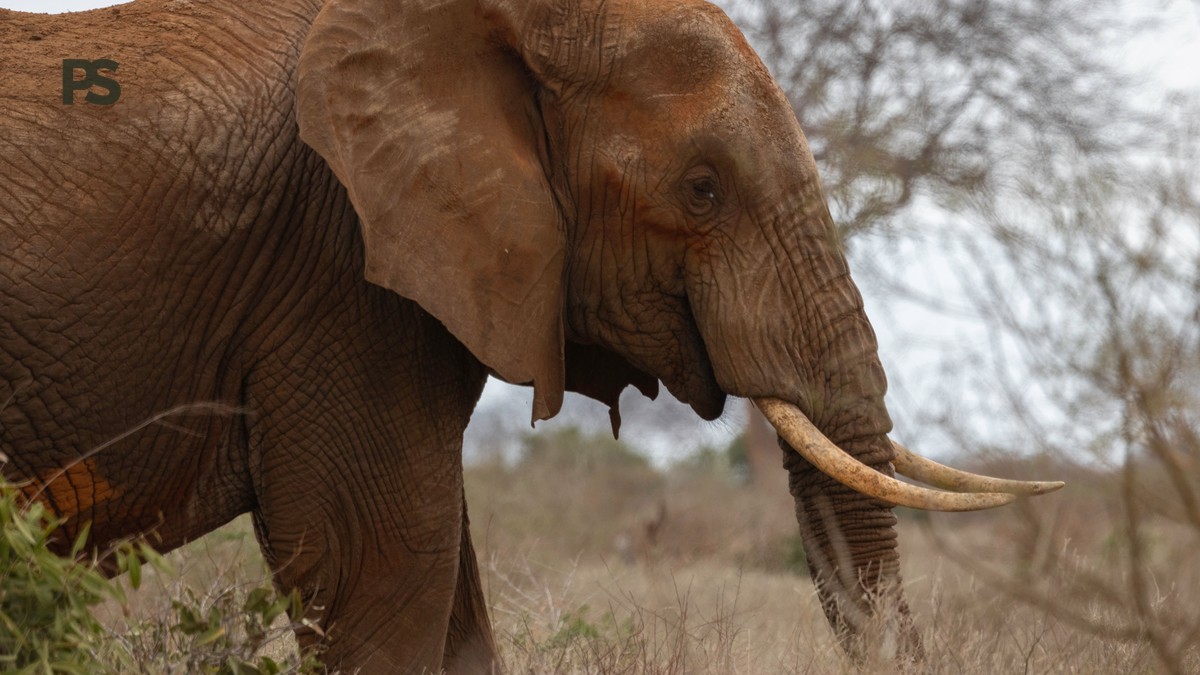
Chyulu is not a Big Five destination. It has no permanent water and the terrain is young volcanic rock covered in grass and cloud forest. What it offers instead is quiet, horseback game viewing, and some of the clearest views of Kilimanjaro in Kenya. Tsavo, by contrast, holds elephants in the thousands, the Ngulia Rhino Sanctuary, and Mzima Springs, where hippos and crocodiles gather in clear spring water you can watch from an underwater viewing chamber.
A repeat visitor who already has Big Five photos from the Mara or Amboseli can treat Chyulu as the scenic, restorative leg and Tsavo as the game-drive leg. That contrast is the whole point of pairing them. If you want to see how Chyulu Hills compares to Amboseli, that comparison is worth reading before you decide how many nights to give each park.
Chyulu Hills: What It Actually Is
Chyulu Hills National Park covers about 741 square kilometers of grass-covered volcanic cones, formed within the last few hundred years and still largely unweathered. There is no public gate for independent self-drive visitors. Access runs through private conservancies bordering the park, mainly Mbirikani Group Ranch and Kuku Group Ranch, where lodges hold the traffic rights.
That means Chyulu Hills works as a fly-in or guided-drive destination, not a place you turn up to on your own. Entrance fees run USD 40 per adult per day for KWS-administered sections of the park, though most lodge rates already include conservancy fees in the nightly price.
Tsavo East vs Tsavo West
Tsavo splits into two parks separated by the Nairobi-Mombasa highway and rail line. They feel different enough that most itineraries pick a side rather than trying to cover both in a rush.
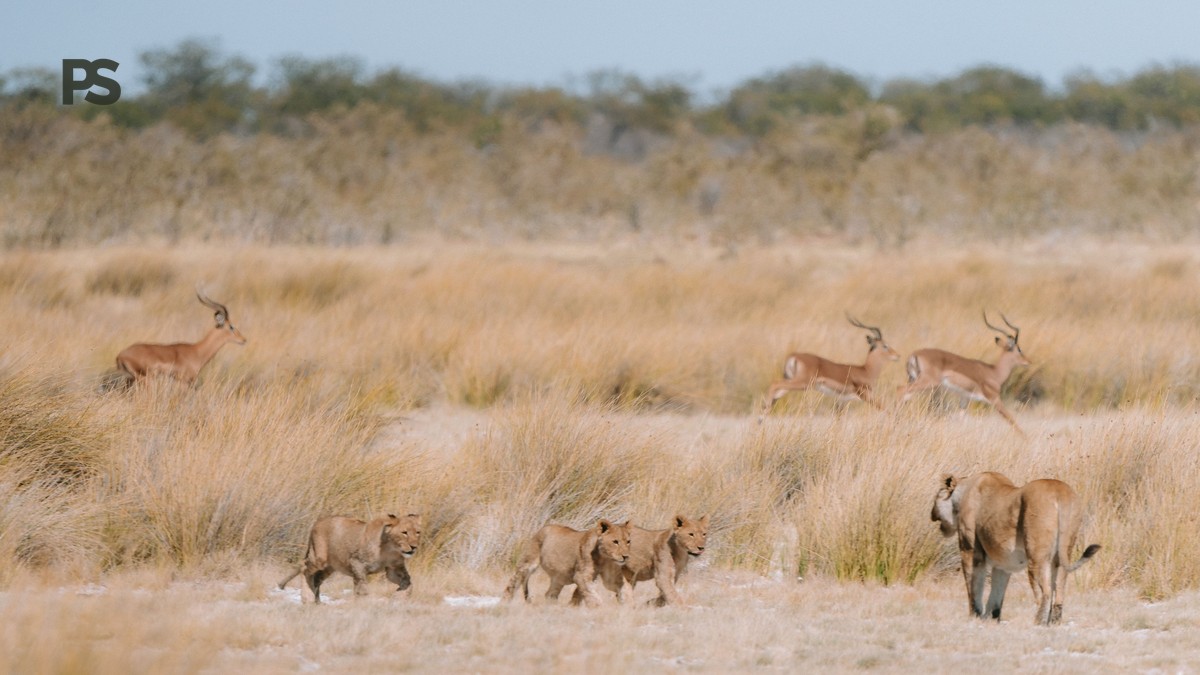
Tsavo West has more structure: rocky outcrops, Mzima Springs, the Ngulia Rhino Sanctuary, and Lake Jipe near the Tanzania border. Roads here are rougher in places, and a 4×4 with good clearance matters more than in Tsavo East. Tsavo East is flatter and more open, known for its red-dust elephants, the Yatta Plateau lava flow, and the Aruba Dam area where big herds gather in the dry season.
Both parks charge USD 80 per adult per day for non-resident KWS entrance fees, current as of the October 2025 fee revision.
Getting Between Them: Real Distances and Times
This is the part most guides skip. Here is what the routing actually looks like on the ground.
| Route | Distance | Drive Time | Fly Time (from Nairobi Wilson) |
|---|---|---|---|
| Nairobi to Chyulu Hills (Kiliwarrior airstrip) | approx. 230 km by road | 4-5 hours | approx. 45 minutes |
| Amboseli to Chyulu Hills | approx. 40 km | about 1 hour | 15-20 minutes |
| Chyulu Hills to Tsavo West (via Chyulu Gate) | roughly 50-60 km | 1-1.5 hours on rough track | not typically flown, shared boundary |
| Tsavo West (Mtito Andei) to Tsavo East (Voi) | roughly 100 km | about 2 hours | 20-25 minutes |
Park entrance fees for reference:
| Park | Non-resident fee (per adult/day) |
|---|---|
| Chyulu Hills National Park | USD 40 |
| Tsavo West National Park | USD 80 |
| Tsavo East National Park | USD 80 |
| Amboseli National Park | USD 90 |
Most repeat visitors fly Nairobi to a Chyulu airstrip, drive the shared boundary road into Tsavo West, then either drive or fly on to Tsavo East. If you are hopping by light aircraft between camps, check bush flight luggage limits if you’re flying between camps before you pack, since soft bags and weight caps apply on every leg.
Where to Stay
In Chyulu Hills, Ol Donyo Lodge on Mbirikani Group Ranch is the best-known option, with rooms that open onto private Kilimanjaro-facing decks and a horse stable for riding safaris. Campi ya Kanzi, on Kuku Group Ranch, runs a smaller, more rustic camp built with the local Maasai community and focused on walking safaris.
In Tsavo West, Finch Hatton’s sits near natural springs and offers a more classic tented-camp feel, while Kilaguni Serena Safari Lodge overlooks a waterhole with Kilimanjaro in the background on clear days. In Tsavo East, Galdessa Camp sits on the Galana River, and Satao Camp near the Aruba Dam is built around a waterhole that draws elephants through the dry months.
Nightly rates across these camps range roughly from USD 350 to USD 900 per person, depending on season and whether the rate is full board with activities included.
Activities Worth Planning Around
Chyulu Hills is one of the few places in Kenya where horse riding safaris are a real option, alongside walking safaris with armed guides and fly camping under the stars on the hills themselves. Ol Donyo also arranges visits to nearby Maasai villages, which feel more genuine here than in areas with heavier tourist traffic.
Tsavo’s activities center on game drives, since the terrain and wildlife density favor vehicle-based viewing. Mzima Springs is a fixed stop in Tsavo West, worth an hour on foot near the underwater viewing chamber. Ngulia Rhino Sanctuary requires a guided visit inside a fenced section of Tsavo West and is one of the more reliable spots in Kenya to see black rhino.
Climate and What to Pack
Both areas sit at lower elevation than the Mara, so days run hot, often 28-32°C between June and October. Chyulu Hills cools faster at night because of altitude, so pack a warm layer for early drives and evenings on the veranda. Tsavo stays warmer overnight.
Dry red dust covers both parks outside the rainy seasons, which run roughly November to December and March to May. Bring closed shoes, a scarf or buff for dust, and neutral-colored clothing. A change of layers matters more than heavy rain gear unless you are traveling in April.
Sample 7-Day Itinerary
- Day 1: Fly Nairobi to Chyulu Hills. Afternoon game drive and sundowner with Kilimanjaro views.
- Day 2: Full day in Chyulu Hills. Morning horse ride or walking safari, afternoon rest, evening fly camp.
- Day 3: Morning drive, then transfer to Tsavo West via the shared Chyulu boundary road, arriving by early afternoon.
- Day 4: Full day in Tsavo West. Visit Mzima Springs and Ngulia Rhino Sanctuary.
- Day 5: Morning game drive, then transfer to Tsavo East via Mtito Andei, arriving for a late lunch.
- Day 6: Full day in Tsavo East. Morning and afternoon game drives around Aruba Dam and the Yatta Plateau.
- Day 7: Early game drive, then fly out from Voi airstrip back to Nairobi.
This split gives Chyulu two full nights and Tsavo four, weighted toward game viewing while keeping the scenic leg intact. Travelers with more time sometimes add Taita Hills, a nearby option worth adding to a Tsavo route, which sits close to Tsavo West’s southern boundary and adds a private conservancy day without much extra driving.
The Plain Safaris Difference
We build this route from actual drive logs, not brochure copy. That means telling you plainly that Chyulu Hills has no public entry gate, that the Chyulu-to-Tsavo West track gets rough after rain, and that four nights in Tsavo beats two if game viewing matters more to you than scenery. We would rather adjust your night count honestly than sell you a fixed package that does not fit how you actually want to travel.
We also know which camps keep vehicle numbers low at each waterhole, and which lodges in Tsavo East get crowded around Aruba Dam in August. That local knowledge changes which camp we recommend, even within the same park.
Plan Your Trip
Combining Chyulu Hills and Tsavo works best when the routing and night count match how you actually want to spend your days, not a fixed package built for someone else’s trip. Get in touch through our contact page and we will help you build a Chyulu-Tsavo itinerary around real drive times, the camps that suit your pace, and the season you are traveling in.