
You’ve done the Mara. You know what a wildebeest crossing looks like and you’ve seen a leopard drag a kill up an acacia. Now you want somewhere quieter, and Amboseli and Chyulu Hills keep showing up as the next move. They sit right next to each other in southern Kenya, share the same Kilimanjaro backdrop, and yet they deliver completely different trips. This Amboseli vs Chyulu Hills safari comparison gives you real numbers instead of brochure talk, so you can pick the right one, or work out how to do both.
Wildlife and Big Five Odds: Amboseli’s Sure Thing vs Chyulu’s Gamble
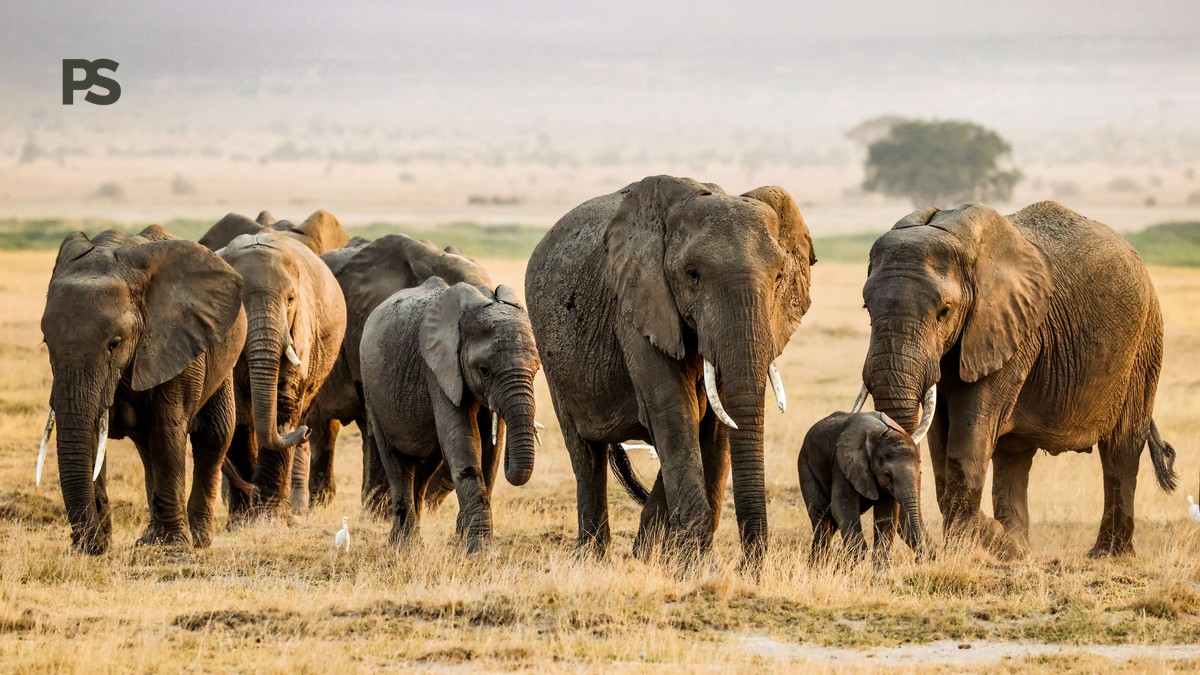
Amboseli National Park is small, just 392 square kilometers, and that works in your favor for sightings. The Amboseli Trust for Elephants has tracked the park’s herds since 1972, and you can expect to see large family groups, often 20 or more elephants, most mornings around the Enkongo Narok and Longinye swamps. Lion and buffalo are reliable too. Rhino is the gap. Only a handful live in a fenced sanctuary, so don’t plan around seeing one.
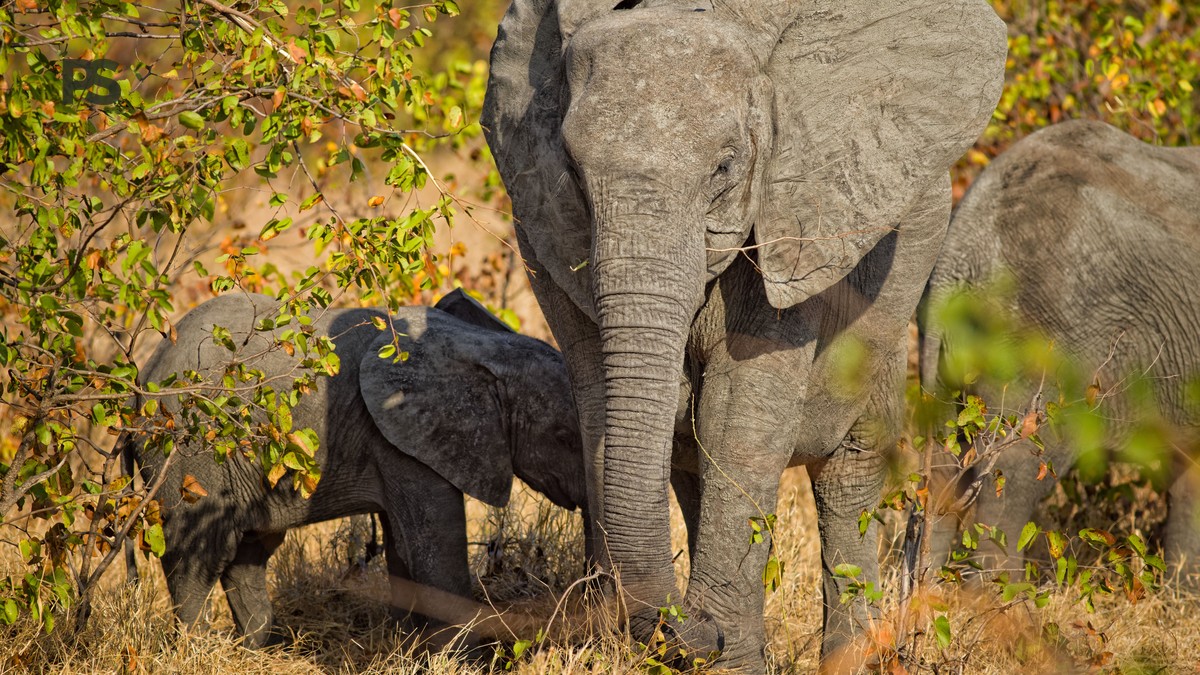
Chyulu Hills National Park covers 741 square kilometers of volcanic hills and open grassland, part of the same ecosystem as Tsavo West and Amboseli. Wildlife here moves through rather than concentrates. You’ll almost always see elephant, giraffe, and eland. Lion and cheetah pass through Mbirikani and Kuku Group Ranches but aren’t guaranteed on a given drive. If your priority is ticking off the Big Five in three days, Amboseli wins. If you’re fine trading a few sightings for space and quiet, Chyulu delivers something the Mara circuit never will.
Kilimanjaro Views: Which Side Wins
Amboseli sits almost directly under Kilimanjaro, across the Tanzania border. The classic shot, elephants wading through swamp grass with the snow cap behind them, only happens here, and only in the first two hours after sunrise before cloud builds up. For the specifics on timing, see our guide on the best time to see Kilimanjaro from Amboseli.
Chyulu Hills gives you a wider, more distant view. From the rooftop star-beds at ol Donyo Lodge, you look across miles of plains to the mountain, with the green Chyulu range rolling beneath you. It’s a landscape shot rather than a wildlife-and-mountain shot. Photographers who want both angles should read our piece on a Chyulu Hills landscape photography safari before choosing camps.
Crowds and Vehicle Density
This is where the two parks split hardest. Amboseli’s small size means popular sightings, a lion pride near Observation Hill, a big elephant herd at the swamp, can draw 10 to 15 vehicles in peak months (July to September, December to January).
Chyulu Hills has no such problem. Most of the land bordering the national park is private conservancy, Mbirikani and Kuku Group Ranches, where lodges cap vehicle numbers the same way Mara North and Naboisho do on the Mara side. You’re more likely to see two vehicles at a sighting than twelve.
Activities Beyond Game Drives
Amboseli is built around game drives. KWS doesn’t allow walking inside the park itself, though a few private conservancies nearby, like Selenkay and Kimana, offer limited walking and night drives.
Chyulu Hills is the opposite. Ol Donyo Lodge runs horseback safaris across open plains, guided walks with Maasai trackers, and mountain biking on the lower hills. Chyulu Hills National Park also holds the Leviathan lava tube, roughly 11 kilometers long and one of the longest known lava tubes anywhere, open for guided caving trips. Night drives are allowed on the conservancy land around the lodges. If activity variety matters more than raw sighting numbers, Chyulu is the clear pick.
Where to Stay: Named Camps and Prices
| Camp / Lodge | Location | Style | Indicative rate (pp/night, all-inclusive) |
|---|---|---|---|
| Tortilis Camp | Kitirua Conservancy, Amboseli | Luxury tented, elephant and Kili views | USD 850-1,150 |
| Amboseli Serena Safari Lodge | Inside Amboseli NP | Mid-range lodge | USD 300-400 |
| Ol Tukai Lodge | Inside Amboseli NP | Mid-range lodge | USD 350-450 |
| Ol Donyo Lodge | Mbirikani Group Ranch, Chyulu | Ultra-luxury, walking and horseback included | USD 1,200-1,600 |
| Campi ya Kanzi | Kuku Group Ranch, Chyulu | Maasai-owned eco-camp | USD 700-900 |
These are indicative ranges based on typical rack rates. Confirm current pricing when you book, since camps adjust seasonally.
Best Time to Visit for Game Viewing and Clear Kilimanjaro Skies
Both parks are best in the dry months, June through October, and the short dry window in January and February. Rain turns the black cotton soil roads around Chyulu into a real problem for vehicles, and it also clouds over Kilimanjaro for most of the day. Whatever month you go, aim to be out by 6:30am. The mountain is usually visible for a two to three hour window at dawn before clouds roll in, in both Amboseli and Chyulu.
Cost Comparison by Trip Length
| Item | Amboseli | Chyulu Hills |
|---|---|---|
| KWS/conservancy park fee (non-resident, per adult/day) | USD 90 | USD 40 (national park) |
| Conservancy fee, if applicable | Often bundled into lodge rate | USD 80-150/person/night, bundled |
| Typical drive time from Nairobi | 4-4.5 hours (approx. 240 km) | 5-5.5 hours via Amboseli or Emali |
| Flight time from Wilson Airport | Approx. 45 minutes to Amboseli airstrip | Approx. 50-60 minutes to Kimana or Chyulu airstrips |
| 3-night budget (mid-range lodge, 2 people, excl. flights) | Approx. USD 2,800-3,800 | Approx. USD 5,200-7,200 |
Amboseli is the cheaper trip by a wide margin, mainly because Chyulu’s lodges run at ultra-luxury pricing with fewer beds and lower guest density.
Combining Both in One Circuit
You don’t have to choose. The road between Amboseli’s Kimana Gate and the Chyulu lodges on Mbirikani Group Ranch takes about 1.5 to 2 hours over rough tracks, roughly 70 km. Most guests fly instead, hopping between Amboseli airstrip and Kimana airstrip on SafariLink or AirKenya, a flight of well under an hour.
A working itinerary for a repeat visitor: three nights at Tortilis Camp in Amboseli for the elephant and Kilimanjaro classics, then two or three nights at ol Donyo or Campi ya Kanzi for walking, horseback riding, and the lava tube. It reads like a single, connected trip rather than two separate parks bolted together.
If you’re weighing this same first-safari-versus-second-safari question for northern Kenya, our Samburu vs Meru comparison walks through a similar trade-off between reliability and solitude.
The Plain Safaris Difference
Most operators list Amboseli and Chyulu Hills as interchangeable add-ons to a Mara trip, with the same stock photos and the same vague “stunning scenery” copy. We don’t build it that way. Our guides have driven the Kimana to Mbirikani road at first light and know which gate keeps traffic light in August. We time Kilimanjaro mornings around the actual cloud pattern for that week, not a generic seasonal chart. When we recommend combining Amboseli with Chyulu, it’s because we’ve routed the flights and the road transfer ourselves, and we know which camps genuinely limit vehicle numbers versus which just say they do.
Amboseli vs Chyulu Hills Safari Comparison: Which One Fits You?
First safari or short trip: Amboseli. Reliable elephants, a real shot at the Kilimanjaro-and-herd photo, and lower cost.
Photography focus: Do both if you can. Amboseli for close wildlife against the mountain, Chyulu for wide, empty landscapes.
Honeymoon or anniversary: Chyulu Hills. Fewer vehicles, private conservancy land, and activities like horseback riding you won’t find inside Amboseli.
Tight budget: Amboseli, without question. Park fees alone are more than double in Chyulu once you add conservancy costs, and lodge rates run even further apart.
Repeat visitor wanting something different: Chyulu Hills. It’s the one that won’t look like every other Kenya trip photo your friends have already seen.
Plan Your Amboseli and Chyulu Hills Safari
If you’re ready to put a real itinerary together, timed around clear Kilimanjaro mornings and the quietest camps on either side, get in touch with Plain Safaris and we’ll build the circuit around what you actually want to see.