
July is the month most first-time travelers picture when they say “African safari.” Golden grass, dust hanging in the morning light, and the wildebeest migration somewhere out there on the plains. It is also the busiest, most expensive month to book a Kenya safari, and nobody selling you a package tends to say that plainly. Here is what actually happens on the ground in July, park by park, cost by cost, so you can plan a Kenya safari July peak season wildlife trip with clear eyes instead of guesswork.
July Weather in Kenya: What Peak Season Actually Feels Like
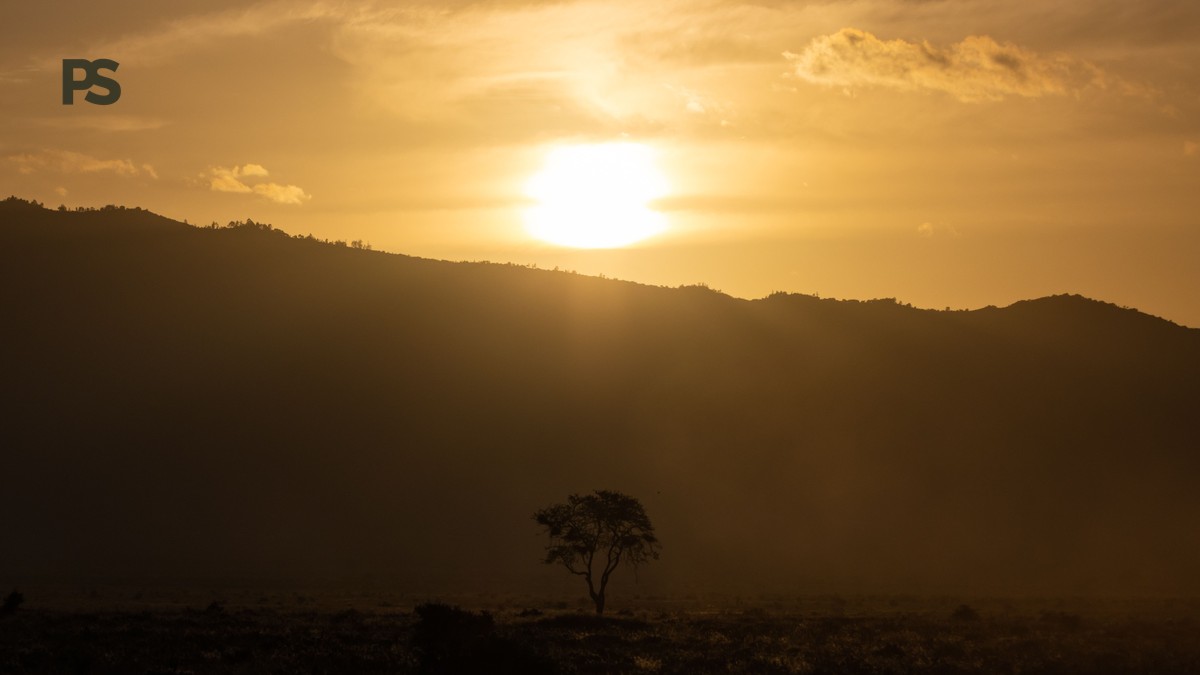
July sits in Kenya’s dry season, which runs roughly from June through October. Days in the Maasai Mara and Amboseli usually reach 24 to 27 degrees Celsius, with clear skies and almost no rain. Mornings are the surprise. Game drives start before sunrise, and temperatures at that hour often drop to 10 or 12 degrees Celsius, especially at higher elevations like the Mara or around Mount Kenya. Pack a fleece or a light down jacket, not just safari shirts. By mid-morning you will be peeling off layers.
Samburu, in the north, runs a few degrees warmer and drier than the Mara. Lake Nakuru, sitting in the Rift Valley, feels similar to the Mara but with slightly cooler nights.
Where the Wildebeest Migration Actually Is in July
This is the part most tour-operator pages gloss over. The migration is not a fixed calendar event. It is roughly two million wildebeest and zebra following rainfall and grass, and July is a transition month, not a guaranteed one.
In most years, the herds spend June in the western corridor of Tanzania’s Serengeti, near the Grumeti River, then push north through July toward the Mara River. Some years the first crossings into Kenya happen in the second or third week of July. In slower years, driven by late rains further south, the bulk of the herd does not cross the Mara River until August, sometimes not in real numbers until early September.
Booking a July safari for the migration is booking a strong probability, not a sure thing. If you want to know more about how reliable any wildlife sighting really is, it is worth reading our honest look at whether wildlife sightings are ever truly guaranteed before you set your expectations. The good news is the Maasai Mara ecosystem holds huge resident populations of lion, elephant, and buffalo all year, migration or not, so a July trip is never a wasted one even if the crossings are still happening in Tanzania when you arrive.
Why Wildlife Viewing Gets Better as Water Gets Scarce
The upside of the dry season is concentration. As smaller waterholes and seasonal streams dry up across Amboseli, Tsavo, and the Mara, animals crowd around the rivers and permanent swamps that still hold water. In Amboseli, that means elephant herds gathering at the swamps below Kilimanjaro, often in view from camps like Tortilis and Ol Tukai. In the Mara, predators shadow the same water sources as their prey, which makes lion and cheetah sightings more predictable than in the wet months. Thinner vegetation also helps. Grass that stood chest-high in April has been grazed down by July, so spotting cats resting in the open is easier.
Kenya Safari July Peak Season Wildlife: Crowds, Vehicles, and Cost
July through September is the single busiest stretch in Kenya’s safari calendar, alongside the shorter December holiday peak. If you want to see how July compares to Kenya’s other peak season, December, the short version is July draws more visitors overall because school holidays in Europe and North America line up with the migration window.
The effect you will notice most is vehicle density at river crossing points. When word gets out that wildebeest are massing near a crossing on the Mara River, it is common to see 15 to 30 safari vehicles lined up along the bank. That is the trade-off of the main Maasai Mara National Reserve in July: strong odds of dramatic sightings, and a real chance of watching them alongside a crowd.
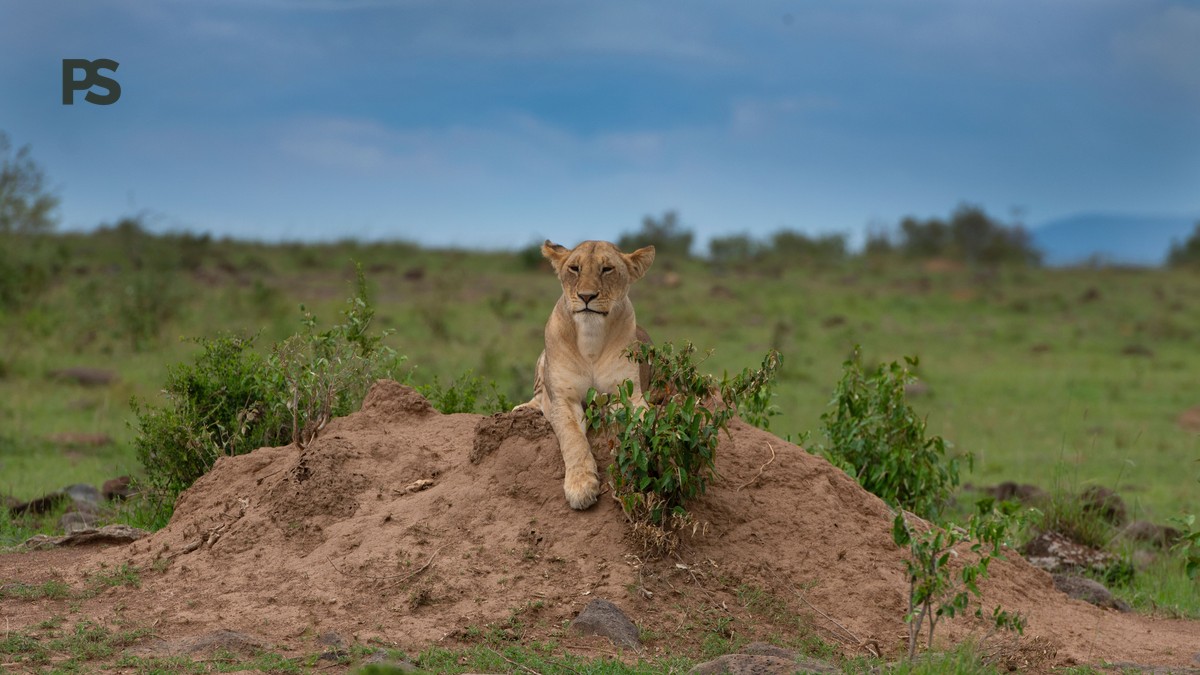
Private conservancies bordering the reserve solve this differently. Naboisho Conservancy, entered through the Ol Seki or Naboisho gate on the reserve’s northeastern edge, caps vehicle numbers by contract with the Maasai landowners who lease it. Olare Motorogi Conservancy, next to Mara North on the northern boundary, runs the same low-density model. Both see resident lion prides, leopard, and cheetah year-round, plus overflow wildebeest when the migration pushes north, but you might share a sighting with one or two other vehicles instead of twenty.
Best Parks and Conservancies for a July Trip
| Park or Conservancy | Distance from Nairobi | Drive Time | Fly Time | Non-Resident Fee (adult/day) | July Highlight |
|---|---|---|---|---|---|
| Maasai Mara National Reserve | ~270 km | 5-6 hrs | ~45 min | USD 200 (Jul-Dec, Narok County) | Best odds for migration crossings, most vehicles |
| Naboisho Conservancy | ~275 km | 5-6 hrs | ~45 min | USD 80-150/night (bundled into lodge rate) | Resident predators, strict vehicle limits |
| Olare Motorogi Conservancy | ~270 km | 5-6 hrs | ~45 min | USD 80-150/night (bundled into lodge rate) | Borders Mara North, low density |
| Amboseli National Park | ~240 km | 4-5 hrs | ~45 min | USD 90 (KWS) | Elephant herds against Kilimanjaro |
| Samburu National Reserve | ~325 km | 5-6 hrs | ~1 hr | USD 70-100 (indicative range) | Desert species, fewer visitors than the Mara |
| Lake Nakuru National Park | ~160 km | 2.5-3 hrs | Rarely flown | USD 90 (KWS) | Rhino sanctuary, easy add-on from Nairobi |
| Ol Pejeta Conservancy | ~200 km | 3-4 hrs | ~45 min | USD 90-100 (indicative range) | Rhino sanctuary, permitted night drives |
Note that the Maasai Mara National Reserve fee jumps from USD 100 to USD 200 per adult per day between June and July, set by Narok County Government rather than the Kenya Wildlife Service. That single change accounts for a large chunk of why a July Mara safari costs more than a June one on the same itinerary.
What a July Safari Actually Costs
Beyond park fees, lodge rates themselves climb for peak season. A tented camp that charges USD 450 per person per night in the June shoulder season commonly moves to USD 600 to 750 in July and August, driven by demand rather than any change in what is offered. Flights between Nairobi’s Wilson Airport and Mara airstrips like Keekorok, Musiara, or Ol Kiombo hold roughly steady year-round, usually USD 150 to 250 one way, but seats fill months out in July.
If budget matters more than being inside the main reserve during the exact migration window, Amboseli and Samburu offer strong wildlife at lower park fees and lodge rates than the Mara, with none of the river-crossing crowd scenes.
Beyond Game Drives: Ballooning, Walking, and Birding
July’s dry, clear mornings are ideal for balloon safaris over the Mara, usually launching around 6am and running 45 minutes to an hour, priced around USD 500 per person including a bush breakfast on landing. Conservancies like Naboisho and Mara North also permit walking safaris and night drives, both banned inside the national reserve itself. For birders, the dry season concentrates raptors and ground birds around remaining water sources, and Lake Nakuru’s alkaline shoreline stays active with flamingos and pelicans regardless of season.
How Far Ahead to Book
Camps inside Naboisho and Olare Motorogi typically hold only 6 to 12 tents each, so July availability at the well-known properties disappears fast. For a detailed breakdown of how far ahead you should book for peak season, the short answer is 9 to 12 months out for July dates, particularly if your trip spans a weekend or falls in the last two weeks of the month when migration odds peak.
The Plain Safaris Difference
We have driven these roads in July more times than we can count, and we plan every peak-season itinerary around a simple question: where will you actually get a good sighting without sitting in a line of vehicles. That usually means splitting a trip between a night or two in the main Maasai Mara Reserve, so you have a shot at a crossing, and the rest of the circuit in Naboisho or Olare Motorogi, where the same predators roam with far less traffic. We also build in real drive and flight times rather than optimistic ones, so a family with young kids is not stuck in a vehicle for six hours on a transfer day. Every itinerary names the actual camp, the actual gate, and the actual fee, before you commit to anything.
Plan Your July Safari
If July’s mix of migration odds, golden light, and dry-season wildlife sounds right for your trip, we would like to help you build it properly, gates, camps, and timing included. Get in touch with Plain Safaris and we will put together a July itinerary suited to your dates and your budget.