
Most first-time visitors to Kenya’s Rift Valley lakes head straight for Nakuru or Naivasha, skipping the lake Baringo birding boat safari that serious birders rate even higher. Lake Baringo sits about three hours further north, and that extra drive time is exactly why it stays quiet. If you care about species lists more than ticking off a famous name, that quiet is the point.
Baringo is Kenya’s second largest Rift Valley lake and one of only two that’s freshwater, the other being Naivasha. That single fact changes everything about what lives here. No flamingos crowd the shallows the way they do at Bogoria or Nakuru. Instead you get fish eagles, herons, kingfishers, and a resident bird list that keeps local guides busy for a lifetime.
What Makes Lake Baringo Different
Freshwater means fish, and fish mean fish eagles, cormorants, and pelicans working the water every morning. The lake also sits in a transition zone between highland forest and dry Rift Valley scrub, so species from both habitats turn up within a few kilometers of the shore.
Local counts put the number of bird species recorded within a short radius of the lake at over 470, a figure that has made Baringo a benchmark stop for East African birding trips for decades. Naivasha, by comparison, is usually quoted at around 400 species over a much larger area. Baringo packs more into less ground.
Birdlife and Species You’ll Actually See
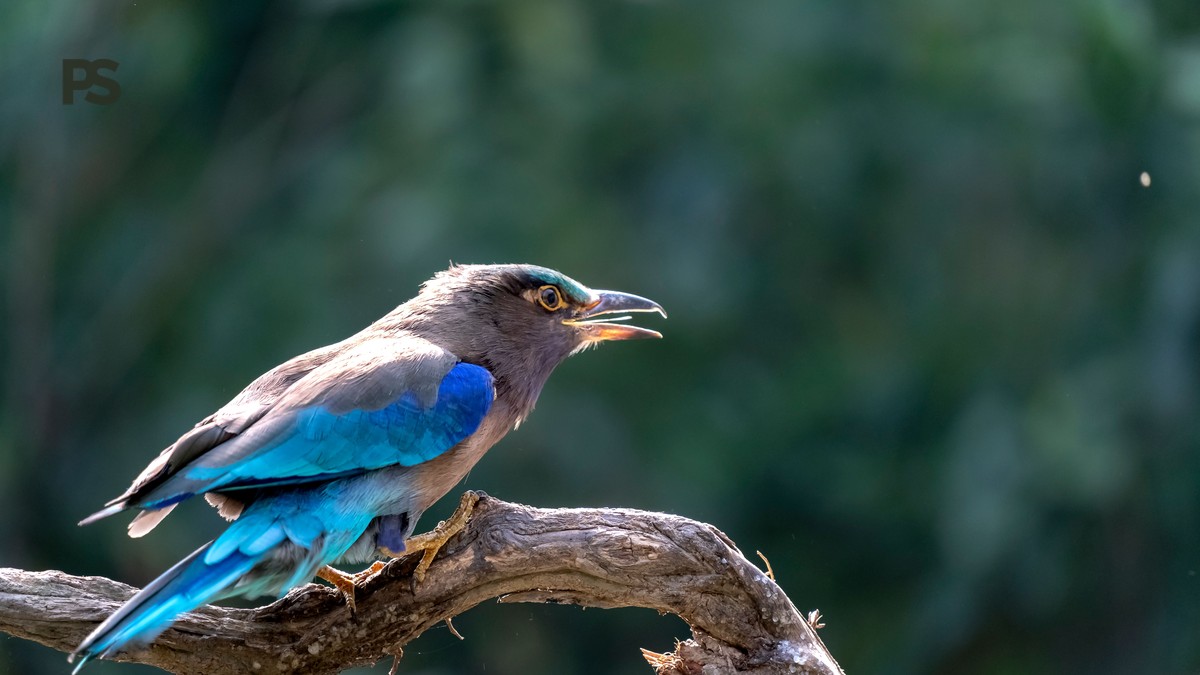
On a two-hour boat trip you can reasonably expect African fish eagles, goliath herons, pink-backed pelicans, African darters, and several kingfisher species, including the giant kingfisher and malachite kingfisher. Grey-headed gulls and white-winged terns work the open water. Along the papyrus edges, look for the elusive northern brown-throated weaver and the lake’s specialty, the white-backed night heron.
Land birding around the lodges is just as strong. Hemprich’s hornbill, Jackson’s hornbill, and the striking Northern Carmine bee-eater colony on the cliffs near Kampi ya Samaki are worth a dedicated stop. Bring a local guide who knows call notes, not just a checklist. Regular safari guides can spot a lion at 200 meters, but distinguishing a Bristle-crowned Starling from a Greater Blue-eared Starling by ear takes someone who birds Baringo full time.
The Lake Baringo Birding Boat Safari Experience
Boats leave from a handful of jetties near Kampi ya Samaki and from the lodges themselves, including Robert’s Camp and Soi Safari Lodge. A standard trip runs about two hours and costs roughly USD 25 to 40 per person, boat shared among a small group. A half-day trip, which adds time around Ol Kokwe Island and slower birding along the reed beds, runs closer to USD 60 to 90 per person. These are indicative ranges. Confirm current rates with your camp or operator before booking, since fuel costs and group size shift the price.
Boats are open, low-sided, and built for slow cruising rather than speed, which suits birders fine. Captains cut the engine near good sightings and drift, giving you time to actually look instead of just passing by.
Hippo and Crocodile Safety on the Water
Baringo has a large hippo population and a healthy number of Nile crocodiles, and yes, that sounds alarming for a boat trip. In practice, experienced boat captains know the resident hippo pods and give them a wide, deliberate berth. Boats stay close to shore where visibility is good and avoid the deeper channels where hippos rest during the day.
Crocodiles here are mostly shy of boats and bask on the banks rather than islands of open water. Stick with a licensed operator, keep hands and cameras inside the boat, and don’t ask the captain to get closer than they’re comfortable with. Every serious operator on this lake has a story about respecting hippos, and that’s a good sign, not a red flag.
Island Excursions
Ol Kokwe is the largest island on the lake, a volcanic remnant with hot springs bubbling near the shore and a small fishing community. Samatian Island, further out, is private and home to Samatian Island Lodge, reachable only by boat. Gibraltar and a scatter of smaller islets round out the group, each worth a short stop for different bird habitat.
Rising water levels since around 2011 have shrunk some of these islands considerably, and a few smaller ones have disappeared under the surface entirely in the past decade. Ask your captain what’s currently accessible before planning a specific island stop.
Ruko Community Wildlife Conservancy and the Rothschild’s Giraffes
On the lake’s western shore, Ruko Community Wildlife Conservancy protects a population of endangered Rothschild’s giraffes, several of which were rescued by barge from a flooded island in 2020 and 2021 in a rescue that made international news. You can visit Ruko as part of a boat trip or a short drive from Kampi ya Samaki, and sightings of the giraffes browsing along the shoreline are close to guaranteed. It’s one of the few places in Kenya where a giraffe encounter and a birding boat trip happen in the same morning.
Njemps and Ilchamus Culture
The Njemps, also called Ilchamus, are the traditional fishing community of Lake Baringo, one of the only pastoralist groups in Kenya that also fishes for a living. Many camps arrange short village visits or a demonstration of traditional balsa-wood raft fishing, called ambatch rafts, still used by some fishermen today. It’s a low-key add-on, not a staged show, and worth the extra hour if your schedule allows it.
Where to Stay
| Lodge/Camp | Style | Approx. Price Range (per person/night) | Notes |
|---|---|---|---|
| Island Camp | Tented, on Ol Kokwe Island | USD 180-260 | Boat transfer included, strong for full immersion |
| Samatian Island Lodge | Luxury, private island | USD 400-600 | All-inclusive, honeymoon-oriented |
| Soi Safari Lodge | Mid-range, lakeshore | USD 90-140 | Good base for repeat boat trips |
| Robert’s Camp | Budget camping and cottages | USD 20-70 | Long-running, some flood-related rebuilding since 2020 |
Prices are indicative ranges and shift with season and current lake conditions. Confirm directly with each property before booking.
Getting There From Nairobi
| Route | Distance | Drive Time | Road Notes |
|---|---|---|---|
| Nairobi to Nakuru | 160 km | 2.5-3 hours | Tarmac, Nakuru-Nairobi highway |
| Nakuru to Marigat/Kampi ya Samaki | 125 km | 2-2.5 hours | Tarmac, some rough patches near the lake |
| Nairobi to Lake Baringo (total) | approx. 285 km | 4.5-5.5 hours | 2WD manageable in dry season, 4×4 preferred after rain |
| Lake Baringo to Lake Bogoria | approx. 25 km | 40-50 minutes | Easy add-on for a combined trip |
For a wider sense of scale, see our guide to driving distances between Kenya’s safari parks.
Best Time to Visit for Birding
Baringo birds year-round, since it’s a resident lake rather than a migratory stopover for most species. That said, November through March brings Palearctic migrants through the area, boosting an already long list. The dry months of January, February, June, and July give the clearest water and easiest road access. Avoid the heaviest rains in April and May if you’re driving in on a tight schedule.
Lake Baringo vs. Lake Bogoria, and a Wider Circuit
Pairing Baringo with Lake Bogoria makes sense for almost every itinerary. Bogoria is alkaline, dramatic, and famous for flamingos and hot springs, a sharp contrast to Baringo’s freshwater calm. Most visitors do Bogoria as a half-day stop on the way in or out, then spend one or two full nights at Baringo itself for the boat and birding time.
Is One Night Enough?
Honestly, no. One night gets you a single boat trip and not much else. Two nights lets you do a morning boat safari, an afternoon Ruko visit, and a second early boat trip when bird activity peaks. Given the drive time to get here, stretching to two nights makes far better use of the trip.
Lake Baringo vs. Lake Naivasha for Birding
This is the comparison most birders actually want answered. Naivasha is closer to Nairobi, about 90 km, and easier for a quick add-on trip. Its boat safaris are shorter and busier, with more tour vehicles on the water at any given time. Baringo takes longer to reach but rewards you with fewer boats, a longer resident species list packed into less area, and the Ruko giraffes as a bonus most Naivasha trips can’t match. If you have the extra half day of driving, Baringo is the stronger birding choice. For a full breakdown of that specific trip, read our guide to Lake Naivasha’s birding boat safari.
Rising Water and What It Means for Your Trip
Lake Baringo’s water level has risen significantly since 2011, submerging jetties, stretches of road, and parts of some camps. Robert’s Camp rebuilt sections further from the original shoreline after flooding damaged the lower grounds. Ask any camp you’re considering for a current update on jetty access and road conditions before you travel, since conditions can change season to season.
The Plain Safaris Difference
We’ve driven the Nakuru-Marigat road in both dry season and right after heavy rain, and the difference in what your vehicle needs is real. We book boat operators who know the current hippo pods by name, not just by reputation, and we check jetty and road conditions the week before your trip, not the month before. If you’re bringing a birder and a non-birding spouse, we build in island time and a Ruko giraffe stop so the trip works for both of you, not just the species list.
Plan Your Baringo Trip
Ready to add Lake Baringo to your Kenya itinerary? Get in touch through our contact page and we’ll help you build a birding boat safari that fits your dates, your budget, and how many nights you actually need on the water.