
You’ve done the Mara. Maybe twice. You’ve watched wildebeest cross the river, sat in a line of vehicles waiting for a leopard to move, and paid peak season rates for the privilege. This time you want something else.
This is a safari itinerary skipping Maasai Mara completely. No Mara North, no Naboisho, no crossing points. It runs instead through Samburu, Laikipia, and Meru, three regions that see far fewer visitors and still deliver strong game viewing, plus walking safaris and night drives you can’t do inside the Mara reserve itself.
Why a safari itinerary skipping Maasai Mara makes sense
Cost is one reason. Narok County, which runs the Maasai Mara National Reserve, charges non-resident adults USD 100 per day from January to June and USD 200 per day from July to December, the peak migration months. A family of four visiting in August pays USD 800 a day just in entrance fees, before vehicles, guides, or accommodation.
Crowding is the other reason. During migration season, the river crossing points can draw dozens of vehicles at once. Repeat visitors who already saw a crossing on a first trip often find the second one less special, especially with that many Land Cruisers parked along the bank.
Samburu, Laikipia, and Meru don’t have this problem. Their reserves and conservancies cap vehicle numbers, and none of them see anything close to Mara-level traffic, even in August.
The route: Samburu, Laikipia, Meru
This itinerary covers eight days and stitches together three regions north of Mount Kenya, all reachable from Nairobi without backtracking through the capital more than once.
Days 1 to 3: Samburu and Shaba Fly from Wilson Airport to Samburu airstrip, a flight of about 45 minutes. Base at a camp on the Ewaso Ng’iro River, such as Elephant Bedroom Camp or Sasaab, and split your game drives between Samburu National Reserve, Buffalo Springs, and Shaba National Reserve next door. Shaba in particular sees light traffic, often just your vehicle at a sighting. This is where you’ll find the “Samburu Special Five”: Grevy’s zebra, reticulated giraffe, Somali ostrich, gerenuk, and beisa oryx, species you won’t see in the Mara.
Days 4 and 5: Laikipia Drive from Samburu to Laikipia, roughly 150 km and 2.5 to 3 hours depending on which conservancy you’re headed to. Ol Pejeta Conservancy and Loisaba Conservancy are both good bases. Ol Pejeta holds the last two northern white rhinos on earth and a strong black rhino population. Laikipia conservancies allow night drives and guided walking safaris, both banned inside most national reserves. For a fuller side-by-side, see how Laikipia compares to the Maasai Mara.
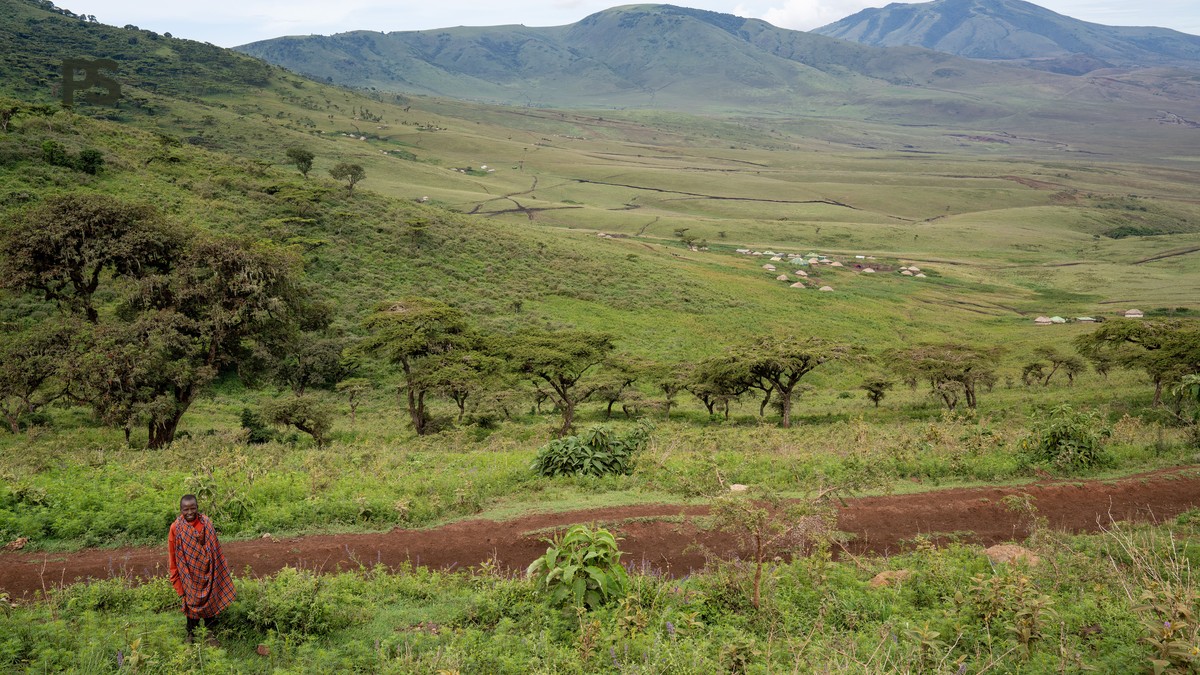
Days 6 and 7: Meru National Park Drive from Laikipia to Meru, about 3 hours over roughly 180 km. Meru is where Joy Adamson raised Elsa the lioness, and it still feels remote. The Tana and Rojewero rivers cut through open grassland and doum palm groves. Elsa’s Kopje sits on a rocky outcrop with views over the whole park. If you’re deciding between the two regions for a shorter trip, this piece on choosing between Samburu and Meru breaks down the trade-offs.
Day 8: Fly back to Nairobi A short flight from Meru airstrip returns you to Wilson Airport by late morning, in time for an international connection that evening.
Families or anyone with more time can extend the trip with two nights in Chyulu Hills National Park, southeast of Nairobi near Amboseli. Chyulu’s volcanic hills and lava caves offer a different landscape entirely, and at USD 40 per adult per day it’s the cheapest KWS park fee in the country.
Drive times and fees at a glance
| Park or Reserve | Entrance Fee (non-resident, per adult/day) | Approx. Distance from Nairobi | Drive Time from Nairobi | Administered By |
|---|---|---|---|---|
| Maasai Mara National Reserve | USD 100 (Jan-Jun) / USD 200 (Jul-Dec) | 270 km | 5-6 hours | Narok County Government |
| Samburu National Reserve | Indicative USD 70-100 (county-run, confirm before booking) | 325 km | 5-6 hours (or 45-min flight) | Samburu County Government |
| Ol Pejeta Conservancy (Laikipia) | Indicative USD 90-100 (often bundled into lodge rates) | 200 km | 3.5-4 hours | Private conservancy |
| Meru National Park | Indicative USD 45-60 (confirm current KWS rate) | 350 km | 5-6 hours (or short flight from Laikipia) | Kenya Wildlife Service |
| Amboseli National Park | USD 90 | 240 km | 4 hours | Kenya Wildlife Service |
| Tsavo West National Park | USD 80 | 240 km | 4 hours | Kenya Wildlife Service |
| Chyulu Hills National Park | USD 40 | 250 km | 4-4.5 hours | Kenya Wildlife Service |
For a full breakdown of routing logic across the country, see drive times between Kenya’s safari parks.
What you trade away
Be honest with yourself about this before you book. Skipping the Mara means skipping the wildebeest migration entirely. Nowhere else in Kenya has that scale of movement. Lion and cheetah density in the Mara also tends to run higher than in Samburu or Meru, simply because the grass is shorter and the prey base is denser.
Big Five odds shift too. Rhino sightings are actually stronger in Laikipia, thanks to Ol Pejeta’s sanctuary, and Samburu holds solid elephant and leopard numbers. But if a lion sighting on day one is non-negotiable for you, the Mara still delivers that faster than anywhere else in Kenya.
What you gain is space. A night drive in Ol Pejeta with a spotlight picking out a genet or an aardvark is something you simply cannot do in the Mara reserve. A walking safari out of Sasaab, tracking elephant prints along a dry riverbed, is not on offer south of the Mau either.
Conservancy rules versus national reserve rules
National reserves like the Mara, Samburu, and Buffalo Springs restrict game drives to daylight hours and don’t allow walking. Private conservancies in Laikipia, and community conservancies bordering Samburu like Kalama, operate under different rules. They allow night drives, off-road driving in some cases, and walking safaris with an armed ranger.
Conservancy rates run higher per night, in the USD 80-150 range per person similar to Naboisho or Mara North rates, but that price usually includes park fees, game drives, and sometimes meals. It’s a bundled cost rather than a stacked one.
Best time to travel this route
June through October and January through March both work well. Rain in Samburu and Laikipia is lighter than in the Mara, so tracks stay passable most of the year. Because this route skips the Mara’s July-December fee hike, timing your trip around peak migration season doesn’t matter here the way it does for a Mara-based itinerary. August still brings the best weather in the north, with clear skies and cooler mornings around 15°C at altitude in Laikipia.
Cost comparison: this route versus a Mara-inclusive trip
A standard 7-night Mara-inclusive itinerary in August, with two nights each in the Mara, Lake Nakuru, and Amboseli plus one in Nairobi, runs roughly USD 3,800-4,500 per person in mid-range camps, driven up by the USD 200 daily Mara fee. The Samburu-Laikipia-Meru route above, at similar camp standards, runs closer to USD 3,200-3,900 per person for eight nights, with lower entrance fees and comparable lodge rates. You get one extra night and pay less for it.
The Plain Safaris Difference
We’ve driven the Samburu to Laikipia road at 6 a.m. often enough to know exactly where the tarmac ends and the murram starts, and where it turns to dust after a dry spell. We know which gate at Ol Pejeta gets you into the rhino sanctuary fastest, and which camps in Shaba will hold a table for an early breakfast before a 5:30 a.m. game drive. We don’t sell you a route off a map. We build it around drive times we’ve actually clocked and camps we’ve actually slept in, so a repeat visitor gets something genuinely different, not just a repackaged Mara trip with a new logo.
Plan your Mara-free route
If you’ve seen the Mara and you’re ready for Samburu, Laikipia, and Meru instead, we can build the exact version of this trip that fits your dates and budget. Get in touch through our contact page and we’ll start mapping it out.