
Lake Naivasha sits about 90 km northwest of Nairobi, roughly 1.5 hours up the A104 past Rironi and Naivasha town. It is not a Big Five replacement, and it should not be sold as one. A Lake Naivasha birding boat safari does one thing well: slow, close-up birding from a boat, with hippos surfacing a few meters away and no game-drive schedule pushing you along.
I want to give you an honest picture here. Naivasha is a half-day stop, not a substitute for the Mara or Amboseli. But for a birder willing to sit still and watch reed beds for an hour, it earns its place on a Kenya itinerary, especially as a break between Nairobi and the Mara.
Is a Lake Naivasha Birding Boat Safari Worth It?
Yes, with the right expectations. It is the only true freshwater lake in this stretch of the Rift Valley, which changes what you see compared with the soda lakes further north. Over 400 bird species have been recorded around the lake basin and Crescent Island combined, drawing on records built up over decades of birding trips here.
You will not see the flamingo super-flocks that make Lake Nakuru or Lake Elementaita famous. Naivasha’s fresh water does not support the algae that flamingos feed on the way soda lakes do. If flamingos are your main draw, it is worth comparing this trip with a Lake Elementaita flamingo safari, where the alkaline water holds birds more reliably.
What to Expect on the Boat
Boats leave from a handful of jetties: Naivasha Boat Club, Sanctuary Farm, and the jetty at Lake Naivasha Sopa Resort are the three most used. A typical trip runs 1.5 to 2 hours, moving slowly along the papyrus fringe rather than racing across open water.
Boats hold 6 to 8 people usually, with a driver who doubles as a bird spotter on most reputable outfits. He will cut the engine near active nesting colonies and hippo pods, which is where the real birding happens. Bring binoculars. The driver’s naked-eye spotting is good, but a birder wants glass on the malachite kingfisher perched in the reeds.
Bird Species Checklist: What You’ll Actually See
Here is a realistic list, not a generic “pelicans and herons” placeholder:
- African fish eagle, calling from dead trees along the shore
- Pink-backed pelican and great white pelican, often loafing together on sandbars
- African darter and long-tailed cormorant, drying wings on half-submerged branches
- Malachite kingfisher and pied kingfisher, both common along the reed edge
- Goliath heron and black-crowned night heron
- African jacana walking across lily pads
- Hamerkop, yellow-billed stork, sacred ibis, and hadada ibis
- Osprey, a Palearctic migrant present roughly November to March
- Vitelline masked weaver colonies, especially dense in the acacia trees on Crescent Island
Expect 40 to 60 species in a good two-hour outing if the water is calm and the light is soft. That is a solid morning’s list without leaving the boat.
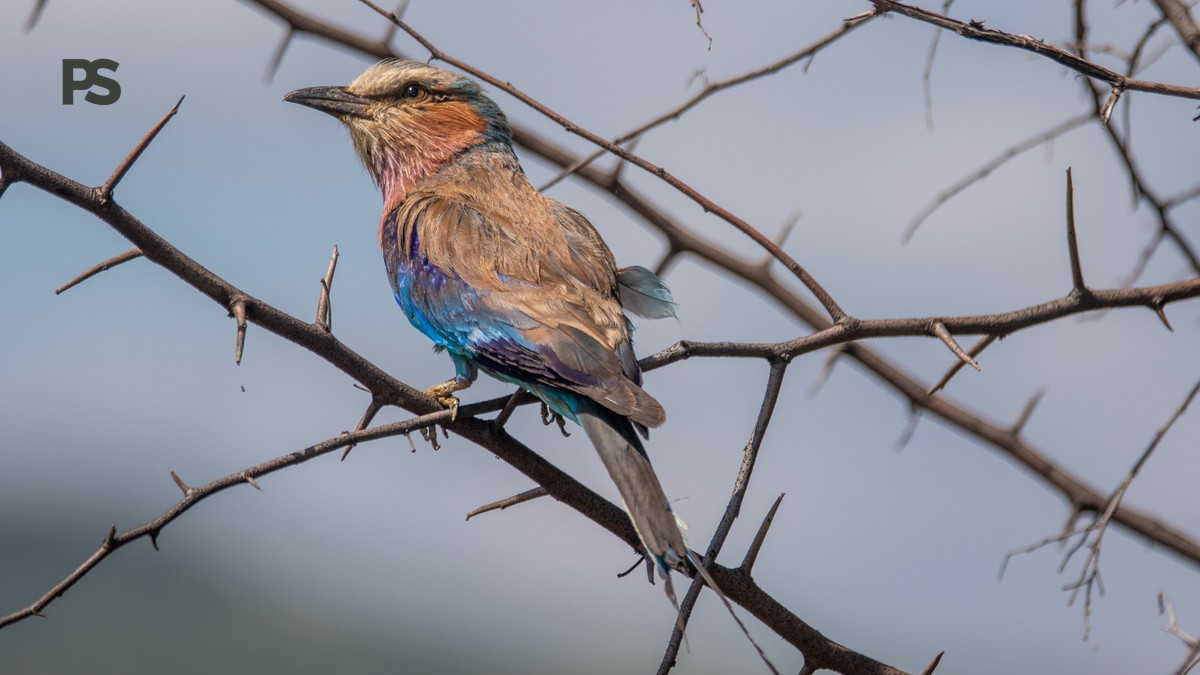
Hippos and Other Wildlife From the Boat
Naivasha’s hippo population is large, with estimates commonly ranging from 1,500 to 4,000 depending on the survey and season. That is an indicative range rather than an exact count, since numbers shift with water levels and counting method. Either way, expect multiple pods, often close enough to hear them breathing.
Beyond hippos, you may spot waterbuck and giraffe grazing near the shoreline, and colobus monkeys in the fever trees around Sanctuary Farm and Elsamere. None of this replaces a Mara game drive, but it fills a quiet half day well.
Boat Ride Pricing: Shared vs Private
Prices vary a lot by operator and negotiating position, which is part of why online guides give such a wide range. Here is a clearer breakdown based on typical current rates.
| Option | Group size | Typical price | Duration |
|---|---|---|---|
| Shared boat, per person | 4-8 people | KES 1,500-2,500 (about USD 12-20) | 1-1.5 hours |
| Private boat, whole boat | Up to 6-8 people | KES 8,000-12,000 (about USD 60-90) | 1.5-2 hours |
| Private boat with birding focus | Up to 4 people | KES 12,000-18,000 (about USD 90-140) | 2-2.5 hours |
Treat these as indicative ranges, not fixed rates. Jetty prices move with fuel costs and season, and a lodge-arranged boat usually costs more than one booked directly at Naivasha Boat Club.
Best Time of Day and Season for Birding
Early morning, between 6:30 and 8:30 am, is the best window. Wind stays low, light is soft for photos, and birds are actively feeding before the day heats up. Afternoon trips work too, but wind picks up on the lake by midday and can cut a session short.
Mornings on the water are cold, colder than you would expect this close to the equator. It helps to know what to layer up in for cold safari mornings, since a fleece and windbreaker over a t-shirt handles the temperature swing from a chilly 7 am departure to a warm 10 am return.
Seasonally, resident waterbirds are present year-round, so Naivasha does not have a hard “closed season” the way flamingo-chasing trips do. Migrants like osprey and various waders add numbers from November through March. If you specifically want flamingos, plan that piece of the trip around Elementaita or Nakuru instead, where sightings are more consistent through the drier months.
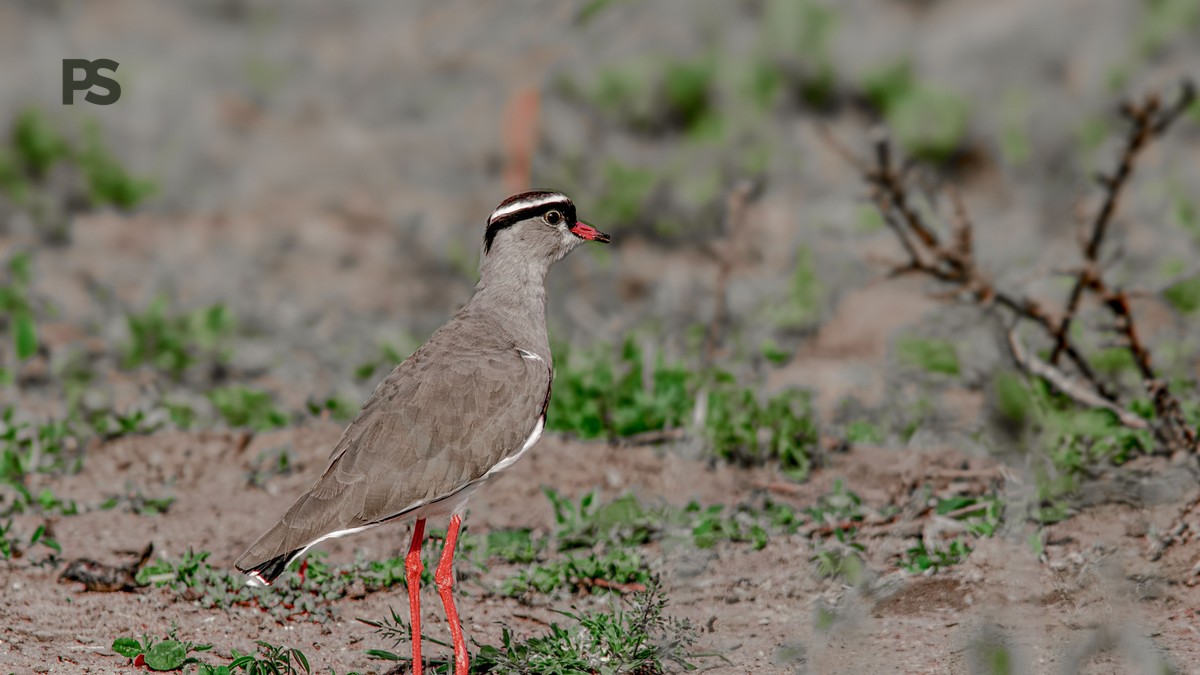
Crescent Island Walking Safari Combo
Crescent Island Game Sanctuary sits just offshore and is usually reached by a short boat hop or a causeway drive. It has no resident predators, so you can walk among giraffe, zebra, waterbuck, and impala on foot. Entrance runs in an indicative range of USD 30-35 per adult, separate from the boat fee.
Pairing the boat ride with an hour of walking works well and fills a half day without feeling rushed. It is also a good stop if you are planning a Kenya birding safari with a non-birding spouse, since walking among grazing animals on solid ground appeals to people who find birding through binoculars a bit slow.
Safety on the Water
Hippos are the real risk here, not the boat itself. Good operators keep at least 20 to 25 meters from any pod and never cut the engine directly between a hippo and open water, since that is their escape route. Life jackets should be provided and worn, not just stored under a seat.
Avoid trailing hands in the water and skip any operator who offers to get closer for a better photo. If a jetty tout pushes past normal caution, walk to a different boat.
How to Book and Which Operators to Use
Book through your lodge if you are staying at Lake Naivasha Sopa, Elsamere, or Sanctuary Farm. This costs a bit more but the boats are maintained and the drivers know the birding spots. Naivasha Boat Club is the main independent option and works well if you book a day ahead rather than showing up and negotiating at the jetty.
Naivasha vs Nakuru vs Elementaita for Birders
| Lake | Distance from Nairobi | Entrance fee | Best for | Flamingos |
|---|---|---|---|---|
| Lake Naivasha | ~90 km (1.5 hrs) | No park fee; boat and Crescent Island fees apply separately | Boat birding, hippos, close-range waterbirds | Rare, freshwater lake |
| Lake Nakuru National Park | ~160 km (2.5-3 hrs) | USD 90/adult/day (KWS) | Rhino, lion, dense waterbird flocks | Variable, season-dependent |
| Lake Elementaita | ~120 km (2 hrs) | Indicative range, private conservancy fees, no fixed KWS rate | Flamingo photography, quieter shoreline | Most reliable of the three |
The Plain Safaris Difference
We book Naivasha as a stop, not a headline destination, because that is what it is. When we build a route from Nairobi to the Mara, we pick the jetty and the operator based on your birding goals, not the one that pays the biggest commission to a driver.
If flamingos matter to you more than hippos, we will route you through Elementaita instead, or add both if your schedule allows a slower pace. We also brief every guest on realistic species counts before the trip, so nobody expects a Nakuru-style flamingo wall on a freshwater lake.
FAQs
Is Lake Naivasha worth visiting for birding? Yes, as a half-day stop with strong close-range waterbird viewing, not as a stand-alone birding destination.
How much does a boat ride cost per person? Shared boats run about KES 1,500-2,500 per person. Private boats run KES 8,000-18,000 depending on size and birding focus.
How long does the boat safari last? Standard trips run 1 to 2 hours. Birding-focused private trips can run up to 2.5 hours.
What is the best time of day for birding? Early morning, 6:30 to 8:30 am, when wind is low and birds are actively feeding.
What is the best time of year to see flamingos at Naivasha? Flamingos are rare here year-round since it is a freshwater lake. Elementaita and Nakuru are more reliable choices.
Is a boat ride safe given the hippos? Yes, with a reputable operator keeping distance and providing life jackets. Avoid boats that get too close for photos.
Do you need a dedicated birding guide, or is the boat driver enough? A good boat driver spots most species. A dedicated birding guide adds identification depth and finds skulking species the driver might miss.
Lake Naivasha vs Lake Nakuru vs Lake Elementaita, which is better for birding? Naivasha wins on close-range boat access and hippos. Nakuru and Elementaita win on flamingo numbers and overall species density.
Can you combine the boat safari with the Crescent Island walking safari? Yes, and most visitors do. Book both together for a half-day outing.
What should you wear or bring? Layers for a cold morning, binoculars, a hat for later sun, and a light rain jacket in the wet seasons.
How far is Naivasha from Nairobi, and does it work as a Mara stop? About 90 km from Nairobi, and roughly 260 km short of the Mara from there, making it a natural midway break on a multi-day circuit.
Plan Your Naivasha Stop
If you want a Lake Naivasha birding boat safari built into a wider Kenya itinerary, we can slot it between Nairobi and the Mara, or pair it with Elementaita for a flamingo add-on. Get in touch through our contact page and we will put together a route around your species list and your pace.