
A week in the Mara during dry season will get red dust into places you didn’t know your camera had. I’ve watched clients open a bag at Ol Kiombo airstrip to find their spare battery grip caked in it, even though the bag never left the vehicle floor. Dust in Kenya isn’t a minor annoyance. It’s fine, it’s persistent, and different parks throw different kinds at your gear.
This cleaning camera gear dust safari guide is built around what actually happens on the ground, not generic camera-store advice. It covers what to pack, how to protect gear during long drives, and how dust behaves differently in the Mara, Amboseli, and Samburu.
Why dust and heat are a threat to camera gear on safari
Three things go wrong out here. Dust gets into your lens barrel and lodges around the focus ring. Heat expands and contracts seals on hot afternoons then cold mornings. Grit works into camera bodies through the same gaps where buttons and dials sit.
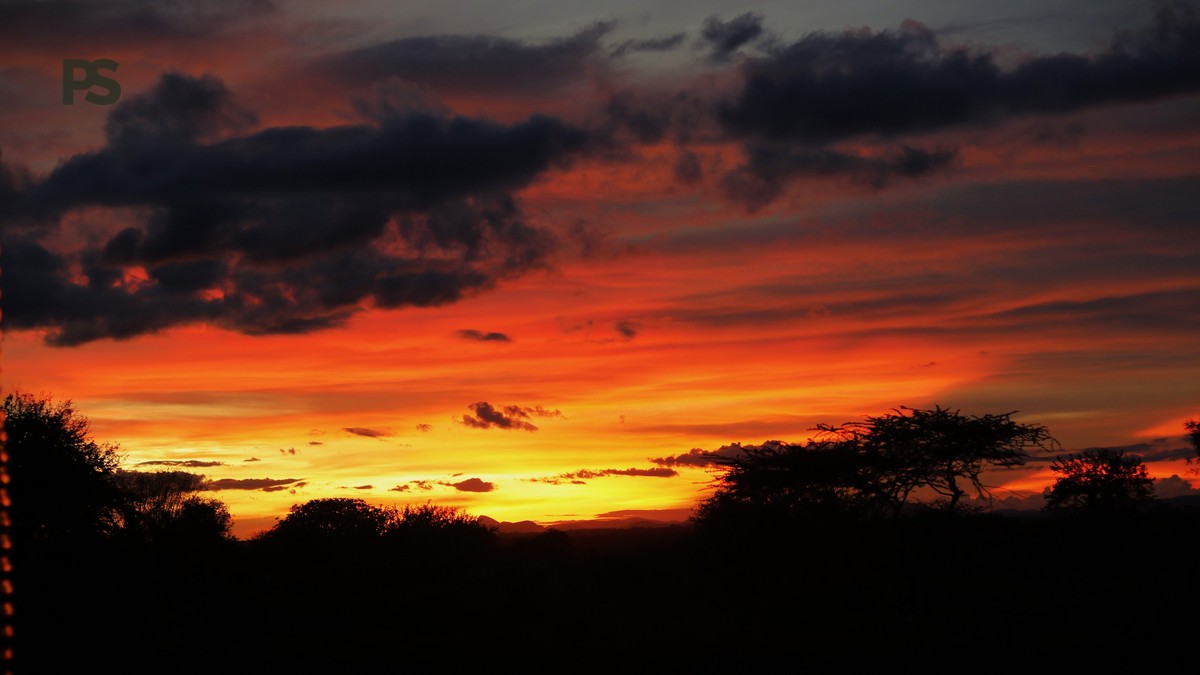
The dust itself changes by region. Amboseli sits in the shadow of Kilimanjaro on an old lake bed. Its dust is fine volcanic ash and alkaline silt that hangs in the air on windy afternoons, especially January through March. The Masai Mara’s dust is a fine red laterite that turns roads to talcum powder from July through October, the peak dry season when vehicle traffic is also heaviest. Samburu, further north and drier, kicks up a coarser orange-red laterite dust that’s less prone to hanging in the air but grittier on contact, worst from June through September.
Heat compounds all of it. Midday temperatures in Samburu regularly hit 33-35°C in the dry months. A camera left on a dashboard in direct sun can reach well above that inside a black bag. Combine heat with dust and you get grit bonding to lens grease, which is harder to clean than dry dust alone.
Cleaning camera gear dust safari kit: blower, microfiber cloths, lens pen, sensor swabs
Pack light but don’t skip these:
- A rocket-style air blower (not compressed air canisters, more on that below)
- Two or three microfiber cloths, kept in separate zip bags so a dirty one doesn’t cross-contaminate a clean one
- A lens pen with a carbon-tip cleaner for smudges and fingerprints
- Pre-moistened lens wipes for oily marks the blower won’t shift
- Sensor swabs and cleaning fluid sized to your sensor (full-frame or APS-C), only if you’re confident changing lenses in the field
- A soft-bristle brush for camera body seams and tripod legs
Compressed air canisters are the one item to leave home. Most airlines restrict or ban them in checked and carry-on luggage, and Kenya-bound flights are no exception. A blower does the same job without the risk of propellant residue or a confiscated can at Jomo Kenyatta International.
Camera bag and case selection for dusty and rough conditions
A bag with a roll-top closure or a full zip flap beats a top-loading bag with an open pocket every time. Dust finds gaps, and roll-tops seal better than zippers alone.
Hard cases with a rubber gasket, like a Pelican-style case, keep dust out completely but are heavy and slow to access mid-drive. Soft bags are faster to open one-handed but let more dust in over a multi-day circuit. Most photographers on our vehicles run both. A hard case sits in the vehicle’s back locker for backup bodies and lenses, and a soft bag stays on the seat for what’s in active use.
If you’re flying between camps, remember that most small aircraft enforce strict fly-in safari luggage weight limits, often 15kg total including camera gear. A hard case alone can eat half that allowance, so weigh your kit before you commit to one.
Lens caps, UV filters, and minimizing lens changes
Every lens change in a moving vehicle is an invitation for dust to land directly on the sensor or rear element. On a dusty Mara track, that’s a real risk every time.
The simplest fix is to bring two bodies, each with its lens already mounted, rather than one body and three lenses. If you only have one body, change lenses inside the vehicle with the engine off, your back to the wind, and the swap done in under ten seconds.
A UV filter on the front element is worth using here, not for image quality. It’s far cheaper to clean or replace a scratched USD 20-40 filter than a lens’s front glass. Keep the rear cap on every lens that isn’t mounted, always.
Covering gear during game drives
There’s a real trade-off between speed and protection during an active game drive. A towel or light cotton cloth over your lap keeps the camera accessible in one or two seconds, which matters when a leopard drops out of a tree. But it leaves gear exposed to dust kicked up by the vehicle ahead of you or a stiff wind crossing open plains.
Stowing the camera fully in a bag between sightings is the safer option. It costs you three to five seconds pulling it out, sometimes the difference between a shot and a memory. Most experienced photographers split the difference. Body and lens rest on a beanbag or towel on the seat, covered loosely rather than sealed away. They go fully bagged only during the long, dusty game-drive routes between conservancies, when nothing is likely to happen for 40 minutes at a stretch.
A shower cap from your lodge room works surprisingly well as a quick lens-hood cover. Almost every camp stocks one in the bathroom, and it holds up when the vehicle is moving fast on a corrugated road.
Daily and nightly cleaning routine
Build a habit around it. Every evening back at camp:
- Blower first, on the body and each lens, to knock off loose dust before it grinds in.
- Wipe the body and lens barrels with a dry microfiber cloth.
- Check the lens mount and battery door seals, where dust collects most.
- Leave gear open to air in a dry spot overnight rather than sealed in a bag, since trapped humidity does more harm than open air.
Most tented camps in the Mara and Samburu don’t offer a dedicated gear-cleaning service. Nearly all can provide a dry towel or extra laundry bag on request, useful for wrapping gear separately from clothes.
Heat, humidity, and sensor care
Silica gel packets in your camera bag matter more near Lake Naivasha or the coast than in the drier north, but they’re cheap insurance everywhere. Replace them every few days, since a saturated packet stops working.
Keep gear out of direct sun between drives. A shaded corner of the vehicle or your room, not the dashboard, is home base for the day.
For the sensor, your camera’s built-in shake-clean function handles light dust well but won’t shift anything stuck to grease or moisture. If you see persistent spots in your images, a sensor swab with proper fluid works, but only do this yourself if you’ve practiced at home first. A scratched sensor ends a trip fast. Most photographers wait until they’re home, or ask a professional cleaning service in Nairobi, rather than risk it mid-safari.
Packing list: what to bring and what to leave
| Item | Bring | Leave at home |
|---|---|---|
| Air blower | Yes | Compressed air canister |
| Microfiber cloths (2-3) | Yes | Cotton t-shirts as substitutes |
| Hard case | Yes, if weight allows | Full studio-size Pelican case |
| UV filters | Yes, one per lens | Extra clear filters “just in case” |
| Sensor swabs | Yes, if experienced | Skip if you’ve never done it |
| Silica gel packets | Yes, several | A single packet for the whole trip |
| Shower cap / light cloth | Yes | Bulky rain covers you won’t use |
Region comparison: dust, timing, and fees
| Region | Dust type | Worst months | Non-resident park fee | Nearest airstrip |
|---|---|---|---|---|
| Masai Mara National Reserve | Fine red laterite | July-October | USD 200/adult/day (Jul-Dec), USD 100/adult/day (Jan-Jun) | Ol Kiombo or Keekorok, 5-40 min to camps |
| Amboseli National Park | Fine volcanic ash and alkaline dust | January-March | USD 90/adult/day | Amboseli airstrip, 10-30 min to lodges |
| Samburu National Reserve | Coarse orange laterite | June-September | Indicative USD 70-100/adult/day (county-run, confirm at booking) | Samburu or Kalama airstrip, 15-30 min to camps |
The Plain Safaris Difference
We plan routes and camp positioning with your gear in mind, not just the wildlife. That means fewer bone-dry corrugated stretches back to back where possible, camps with shaded vehicle parking, and guides who know to slow down when a truck ahead is throwing up dust. If sensor care matters to you mid-trip, we can point you to a trusted cleaning service in Nairobi before you fly out to the bush. For photographers planning a dedicated photography safari, we build in extra time at each sighting rather than rushing between parks. That way you’re not shooting through a dusty windshield on a tight schedule.
FAQs
How do you protect camera gear from dust on a safari game drive? Keep lenses capped when not shooting, use a towel or bag between sightings, and avoid lens changes in the vehicle when possible.
Should you avoid changing lenses while on safari? Not entirely, but keep it to a minimum. Two bodies with lenses already mounted beats frequent swaps in a dusty vehicle.
Is compressed air safe for cleaning a camera sensor? No. It can force debris further in and the propellant can damage coatings. Use a manual blower instead.
Can you bring compressed air canisters on a flight to Kenya? Most airlines restrict or ban them. A rocket blower avoids the issue entirely.
How often should you clean your camera during a dusty safari? Every evening at minimum, with a quick blower pass after any especially dusty drive.
Does Kenya’s dust and heat damage camera sensors? Over time, yes, if dust isn’t cleaned regularly and gear sits in direct heat. Daily maintenance prevents most issues.
Plan Your Photography Safari
If you’re weighing camps, drive routes, and timing around light and dust as much as wildlife, we’d like to help you build the itinerary. Get in touch through our contact page and we’ll work out a route that protects your gear as well as it captures the shot.