
Most people planning a Kenya safari for first timers get stuck on the same question: what does this actually cost, and what am I signing up for each day? Boutique operator sites give you lovely stories about camps but skip the numbers. SEO guides give you tables but sound like nobody who wrote them has been in the vehicle. Here is the honest version, with real prices, real drive times, and what a day actually looks like once you are out there.
Why Kenya works for a first safari
Kenya has short flight connections between parks, a huge range of camp price points, and guides trained specifically for first-time travelers. You can land in Nairobi, be in the Masai Mara by lunch, and see lion, elephant, and giraffe before dinner. Few countries make the learning curve this gentle.
Which parks and regions to choose
Most first Kenya trips center on one or two of these five:
- Masai Mara: the highest density of predators in Kenya, plus the wildebeest migration from July to October.
- Amboseli: elephant herds with Mount Kilimanjaro as a backdrop, flat open plains, easy game viewing.
- Samburu: drier, quieter, and home to species you will not see in the Mara, like the Grevy’s zebra and reticulated giraffe.
- Lake Nakuru: closer to Nairobi, good for rhino sightings and a shorter add-on.
- Tsavo East and West: Kenya’s largest parks, red-dust elephants, fewer vehicles per square kilometer.
For a first trip, pair the Mara with one other region rather than trying to see all five. Amboseli or Samburu both work well as a second stop, depending on whether you want mountain views or a quieter, more remote feel.
Best time of year to go
June through October is dry season and the easiest time to see game, with the wildebeest migration crossing the Mara River from around July to September. January to March is also dry and quieter, with lower rates at most camps. April and May bring the long rains, when some camps close and roads get harder to manage.
How much a Kenya safari for first timers costs
This is where most guides go vague. Here is what the numbers actually look like right now.
| Item | Cost |
|---|---|
| Masai Mara Reserve fee, non-resident, Jan-Jun | USD 100/adult/day |
| Masai Mara Reserve fee, non-resident, Jul-Dec | USD 200/adult/day |
| Amboseli National Park fee (KWS) | USD 90/adult/day |
| Lake Nakuru National Park fee (KWS) | USD 90/adult/day |
| Tsavo East / West fee (KWS) | USD 80/adult/day |
| Naboisho or Mara North Conservancy | USD 80-150/person/night, bundled into lodge rate |
| Mid-range lodge, full board, per person/night | USD 250-450 (indicative range) |
| Budget-to-mid tented camp, per person/night | USD 150-300 (indicative range) |
| Luxury camp, per person/night | USD 500-900+ (indicative range) |
The Mara Reserve fee jumps sharply from July through December, which is exactly when the migration is on. That single fee change can shift a family’s daily budget by hundreds of dollars, so it is worth planning around deliberately rather than discovering it after booking. For the full breakdown by park, see our guide to current park entrance fees.
A realistic all-in daily budget, including lodging, park fees, meals, and a shared vehicle, runs from about USD 350 per person on a modest circuit to USD 900 or more per person at a luxury camp during peak migration season. Private conservancies cost more per night than reserve-based camps, but you trade that for far fewer vehicles at each sighting and the option of night drives and walking safaris, which national reserves do not allow.
How many days you need
Five to seven days is the sweet spot for a first Kenya safari: enough time for two regions without feeling rushed between airstrips. Three days can work if the Mara is your only stop and you are comfortable with a tighter schedule. We break down whether a shorter trip is enough for a first visit in more detail, including what you give up by compressing the itinerary.
Group vs. private safari
A shared group vehicle, usually four to six guests, costs less per person and suits solo travelers or couples on a budget. A private vehicle and guide cost more but let you set your own pace, stay out longer at a sighting, and skip the group consensus problem when someone wants to leave and someone wants to stay. Families with young kids and photographers almost always do better private.
What a typical safari day actually looks like
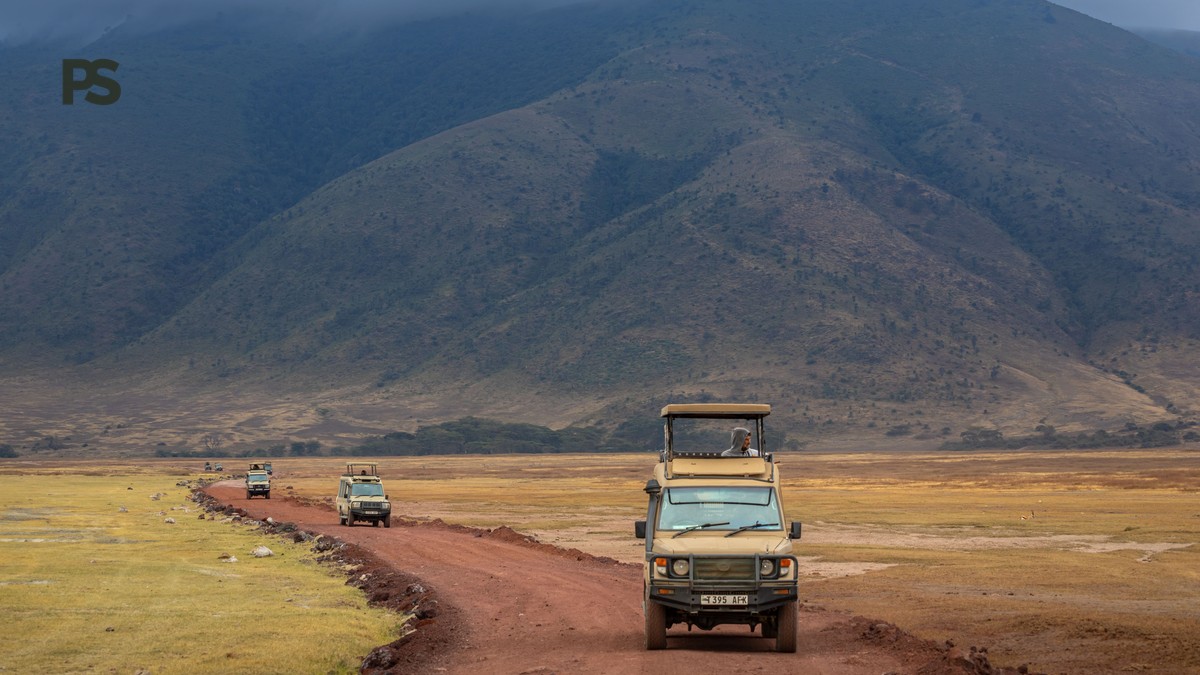
Most camps wake guests around 5:30am with tea or coffee at the tent. You are in the vehicle by 6:15, chasing the first hour of light when predators are most active. Game drives run three to four hours, back at camp for a full breakfast around 10am. Midday is for resting through the heat. A second drive runs from about 4pm until sunset, then dinner and an early night, since the next morning starts just as early. Two drives a day, six to seven hours total in the vehicle, is standard across most camps in the Mara, Amboseli, and Samburu.
Visas, vaccinations, and malaria precautions
Most nationalities need an eTA to enter Kenya, applied for online before travel. Yellow fever vaccination is required if you are arriving from a country with risk of transmission. Malaria tablets are strongly recommended for all the regions covered here, since the Mara, Amboseli, Samburu, and Tsavo all sit in malaria zones. Talk to a travel clinic at least a few weeks before departure.
What to pack
Neutral-colored clothing, a warm layer for early morning drives, a wide-brim hat, and a good pair of binoculars matter more than most packing lists suggest. Bring a dry bag for camera gear on dusty roads, and a headlamp for camps without full-time power. For cash, carry US dollars for tips and incidentals, and check our guide on how much cash to carry and in what currency before you land.
Vehicle types and logistics
Most camps use customized 4×4 Land Cruisers with pop-up roofs, seating six to seven guests with a window each. Some higher-end camps run smaller vehicles with just four seats for better photography angles. Transfers between the Mara and Amboseli usually go by light aircraft, around 45 minutes to an hour, rather than the 6-7 hour road transfer.
Common first-timer mistakes to avoid
Booking too many parks in too few days is the biggest one. Packing formal safari gear you never wear is the second. Underestimating the cost jump during peak migration season is the third, since the Mara fee alone doubles from July onward. Skipping travel insurance that covers medical evacuation is a mistake worth avoiding entirely, given how remote some camps are from the nearest hospital.
Combining safari with a beach extension
Diani Beach or Watamu, both on Kenya’s south coast, pair well with a Mara or Amboseli circuit. Flights from Nairobi or the Mara to the coast run about an hour, making a three-to-four-night beach add-on an easy way to end a longer trip.
The Plain Safaris Difference
We build itineraries around actual drive times and actual fee calendars, not templates. That means telling you honestly when a conservancy stay is worth the extra cost, and when a reserve-based camp gets you the same sightings for less. Every quote we send breaks out park fees, accommodation, and transport separately, so you see exactly where your money goes before you commit.
Plan your first Kenya safari
Ready to build a first Kenya safari that matches your budget and your time frame? Get in touch with Plain Safaris and we will put together an itinerary built around real numbers, not guesswork.