
Most people planning a lake elementaita flamingo safari have already been to Lake Nakuru, or read that Nakuru’s flamingos moved elsewhere. Elementaita is where a good number of them went. It sits about two hours from Nairobi and gets a fraction of the vehicle traffic Nakuru does. It rewards anyone willing to sit still and watch, instead of ticking boxes on a game drive. This is a lake for people who want to actually watch birds, not just photograph one from a moving vehicle.
Where Lake Elementaita Fits in the Rift Valley
Lake Elementaita is a shallow soda lake in Kenya’s Great Rift Valley. It sits roughly 120 km northwest of Nairobi and about 18 km southeast of Nakuru town. It sits in the same UNESCO-listed chain as Lake Nakuru and Lake Bogoria. All three are alkaline lakes strung along the valley floor, and they share the volcanic soda chemistry flamingos depend on.
Unlike Nakuru, Elementaita has no national park boundary. Most of its shoreline sits inside Soysambu Conservancy, a private, family-run conservancy that has managed the land around the lake for decades. That distinction matters for planning. You’re not queueing at a KWS gate here. You’re booking through a conservancy with its own rules, its own vehicle caps, and a much quieter feel on the ground.
Why the Flamingos Gather Here
Two flamingo species show up at Elementaita. Lesser flamingos are smaller and pink-flushed, and they arrive in the biggest numbers. Greater flamingos are taller and paler, and they’re usually seen in smaller groups feeding at the lake edges. Lesser flamingos filter-feed on spirulina, a blue-green algae that blooms in warm, alkaline water. Greater flamingos go after small invertebrates and crustaceans stirred up in the shallows. That’s the whole reason these soda lakes matter to birdwatchers. The algae only blooms in the right chemical balance, and that balance shifts from lake to lake and year to year.
Best Time for a Lake Elementaita Flamingo Safari in 2026
Flamingo numbers at Elementaita move with rainfall and water chemistry, not a fixed calendar. As a general pattern, dry months from roughly June to October tend to concentrate flamingos more reliably. Less freshwater means the soda content stays strong, and algae blooms hold up. Wet months, especially April and November, can dilute the lake and push birds toward Bogoria or back to Nakuru.
Here’s the part most pages skip: flamingos are not guaranteed at any single Rift Valley lake on any single date. If you’re set on seeing large flocks, ask your operator for a current sighting update before you commit to a date. Build in flexibility to shift toward whichever lake has the numbers that month. It’s worth reading up and comparing it with Lake Bogoria’s flamingo season, since Bogoria often holds the largest concentrations when Elementaita and Nakuru run high.
Getting There from Nairobi
The drive from Nairobi to Lake Elementaita runs along the A104 through Naivasha, then a signed turn toward Soysambu Conservancy before Nakuru town. Expect around 2 to 2.5 hours on tarmac in normal traffic. It’s less if you leave before 7am and clear the Nairobi-Naivasha climb before the trucks stack up. A day trip is possible if you leave early and don’t mind a long day. You’ll get far more out of an overnight stay, since the best flamingo light is at dawn and dusk, not midday.
Soysambu Conservancy Beyond the Flamingos
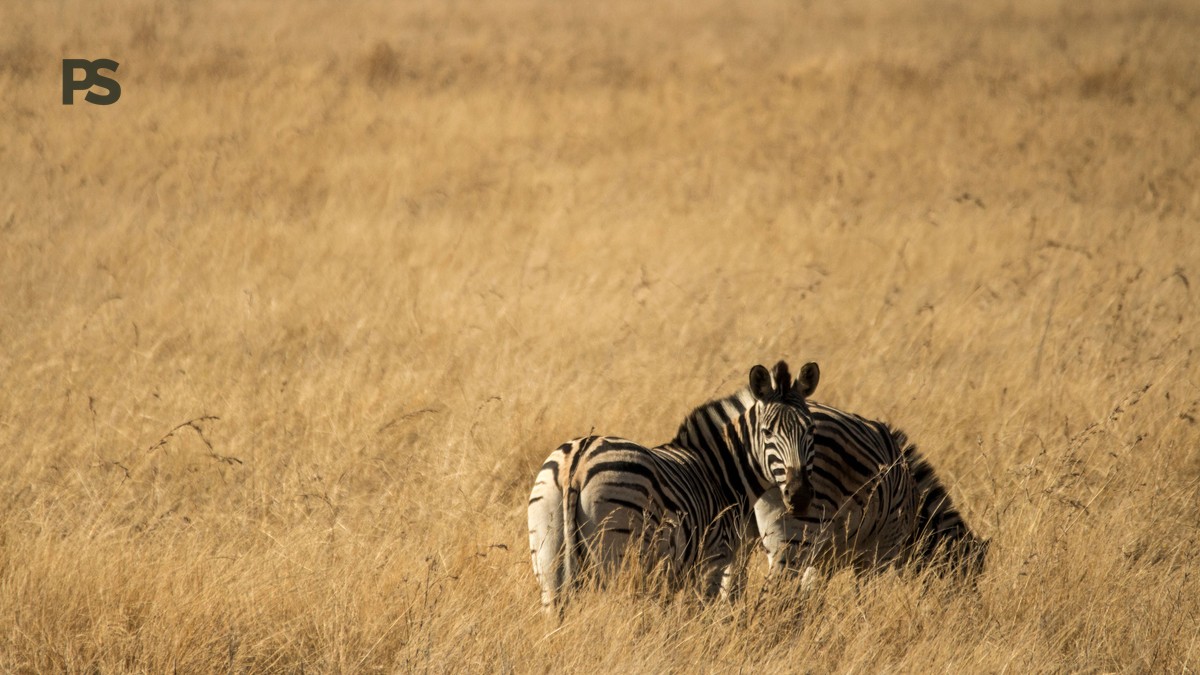
Flamingos get the attention, but Soysambu is a serious wildlife property in its own right. The conservancy holds one of Kenya’s larger populations of Rothschild’s giraffe, alongside buffalo, eland, zebra, and both Grant’s and Thomson’s gazelle. Black-and-white colobus monkeys move through the acacia woodland near the lake’s eastern edge. Birders keep lists here for a reason. Over 450 species have been recorded across the conservancy, including African fish eagle and grey-crested helmet-shrike. Pelicans also keep a strong resident population, sharing the shallows with the flamingos.
Because Soysambu is privately run, vehicle numbers stay capped even during busy months. That’s the main practical difference from a KWS park. It’s worth understanding how conservancy stays like Soysambu differ from reserve accommodation before you book. It changes what a game drive feels like on the ground.
What There Is to Do
Beyond birdwatching and game drives, Soysambu runs guided nature walks along the lake shore. There’s horseback riding across open grassland, with the Aberdares visible on a clear day. Short hikes lead to natural hot springs near the lake’s southern edge. Sundowners on the lake’s volcanic outcrops are a quiet way to close the day, with flamingos often still feeding as the light drops. None of this requires a packed itinerary. Elementaita rewards slowing down more than almost anywhere else in this part of the Rift Valley.
Where to Stay, by Budget
Camps here are fewer and smaller than at Nakuru or Naivasha, which keeps the whole experience quieter.
Budget: Soysambu Conservancy’s public campsites let you pitch your own tent near the lake, with basic facilities and no lodge overhead. Indicative camping fees run USD 15 to 25 per person per night. That’s on top of the conservancy’s non-resident entry fee, indicative USD 50 per adult per day. This suits self-drive travelers and anyone comfortable without full board.
Mid-range: Sunbird Lodge sits on the lake’s edge with simple cottages and direct flamingo views from the dining deck. It suits birdwatchers who want to walk out at first light without a game drive first, and families who want an easy, unfussy base.
Luxury: Delamere Camp, run by Elewana inside Soysambu Conservancy, and Lake Elementaita Serena Camp both offer full-service tented accommodation with guided drives included. These suit travelers who want a proper safari experience with fewer logistics, at a higher nightly rate. Expect roughly USD 350 to 600 per person per night, depending on season.
For a wider view of where to base yourself, check this list of best Rift Valley birdwatching lodges before you lock in dates.
Lake Elementaita vs Lake Nakuru vs Lake Bogoria
| Lake | Status | Distance from Nairobi | Entry fee (non-resident) | Flamingo reliability, 2026 |
|---|---|---|---|---|
| Lake Elementaita | Private conservancy (Soysambu) | ~120 km, 2 to 2.5 hrs | Indicative USD 50/adult/day (conservancy fee, confirm before travel) | Good, best in dry months, but not guaranteed |
| Lake Nakuru | KWS national park | ~160 km, 3 hrs | USD 90/adult/day | Lower and inconsistent since water levels rose |
| Lake Bogoria | County-run national reserve | ~280 km, 4 to 4.5 hrs | Indicative USD 50-80/adult/day (confirm with Baringo County) | Often the highest flamingo counts of the three |
Why the Flamingos Left Nakuru
If you’ve read that Lake Nakuru used to be the flamingo lake, that’s true. It’s the honest reason Elementaita gets so much attention now. Rift Valley rainfall through the 2010s and into 2020 pushed Nakuru’s water level up significantly. That flooded shoreline acacia forest and diluted the alkaline chemistry that spirulina needs to bloom. Flamingos followed the algae, not the park boundary, and large numbers shifted to Elementaita and Bogoria.
That balance can shift again. A dry cycle could concentrate algae back at Nakuru, or push birds further toward Bogoria. If you’re planning around flamingos specifically, treat any single lake as a strong probability, not a certainty. Stay in touch with an operator who tracks current conditions, rather than relying on older guides.
Photography Tips
Shoot early. Flamingos feed most actively in the first two hours after sunrise, when the light is low and the lake surface holds a pink-gold reflection. A 300mm lens or longer helps, since conservancy rules generally keep vehicles back from the shoreline. Overcast mornings, common in the rainy months, actually soften harsh reflections off the soda flats and can improve color in your shots.
The Plain Safaris Difference
We don’t send clients to Elementaita on a fixed date and hope the flamingos show up. We check recent reports from Soysambu before confirming an itinerary. We’re upfront if numbers are low that month, and Bogoria is the better call instead. We also work directly with conservancy management, not just lodges. Vehicle counts and entry costs are accurate at the time you book, not pulled from an old rate card.
FAQs
Is Lake Elementaita better than Lake Nakuru for flamingos right now? Generally yes, since Nakuru’s flamingo numbers have stayed lower and less consistent since its water level rose. Elementaita is not guaranteed either, so check current reports before you travel.
Can I visit as a day trip from Nairobi? Yes, at around 2 to 2.5 hours each way. An overnight stay lets you catch dawn and dusk feeding, which is when flamingo activity peaks.
Is Lake Elementaita a national park? No. It’s mostly bordered by Soysambu Conservancy, a private property, not a KWS national park.
What else can I see at Soysambu besides flamingos? Rothschild’s giraffe, buffalo, zebra, gazelle, colobus monkeys, and over 450 recorded bird species.
Do flamingos stay year-round? Numbers fluctuate with rainfall and water chemistry, rather than following a fixed season. Treat any specific month as a strong likelihood, not a promise.
Do I need a guide or permit? You’ll pay a conservancy entry fee, and most visitors go with a guided vehicle. Self-drive access within Soysambu is more limited than at a public national park.
Plan Your Visit with Plain Safaris
Flamingo numbers change lake to lake and month to month, which makes local, current knowledge worth more than a guidebook here. If you want a Rift Valley itinerary built around where the birds actually are right now, get in touch through our contact page. We’ll help you plan a lake elementaita flamingo safari that fits your dates and your patience for slow mornings by the water.