
If you’ve already done the Mara circuit, you’ve probably heard people call Samburu the “Special Five” reserve and leave it there. That answer skips the real question. If you’re planning a samburu big five safari, you deserve a straight answer about which animals you’ll actually see, and where.
Here it is. Samburu National Reserve itself has lion, leopard, elephant, and buffalo. It does not have rhino. But the wider Samburu ecosystem, specifically Sera Community Conservancy to the northeast, has black rhino again since 2015. Put the two together and a true Big Five trip north of the equator is possible. Most blog posts won’t tell you that plainly. This one will.
Does Samburu National Reserve Have the Big Five?
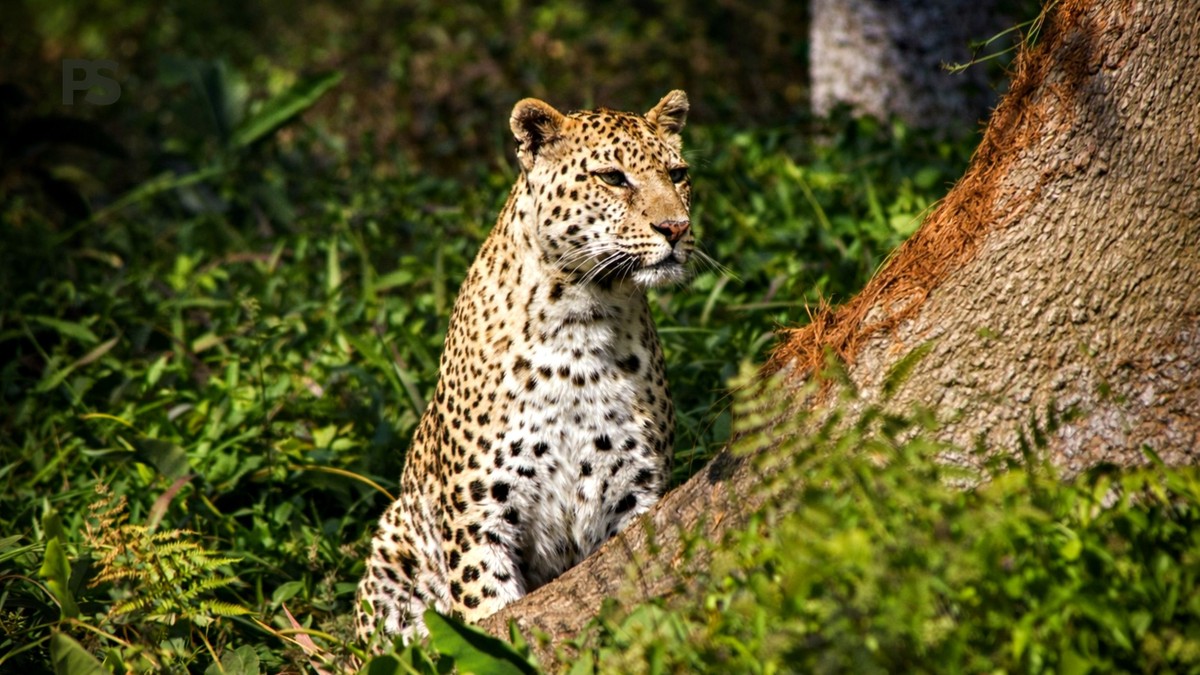
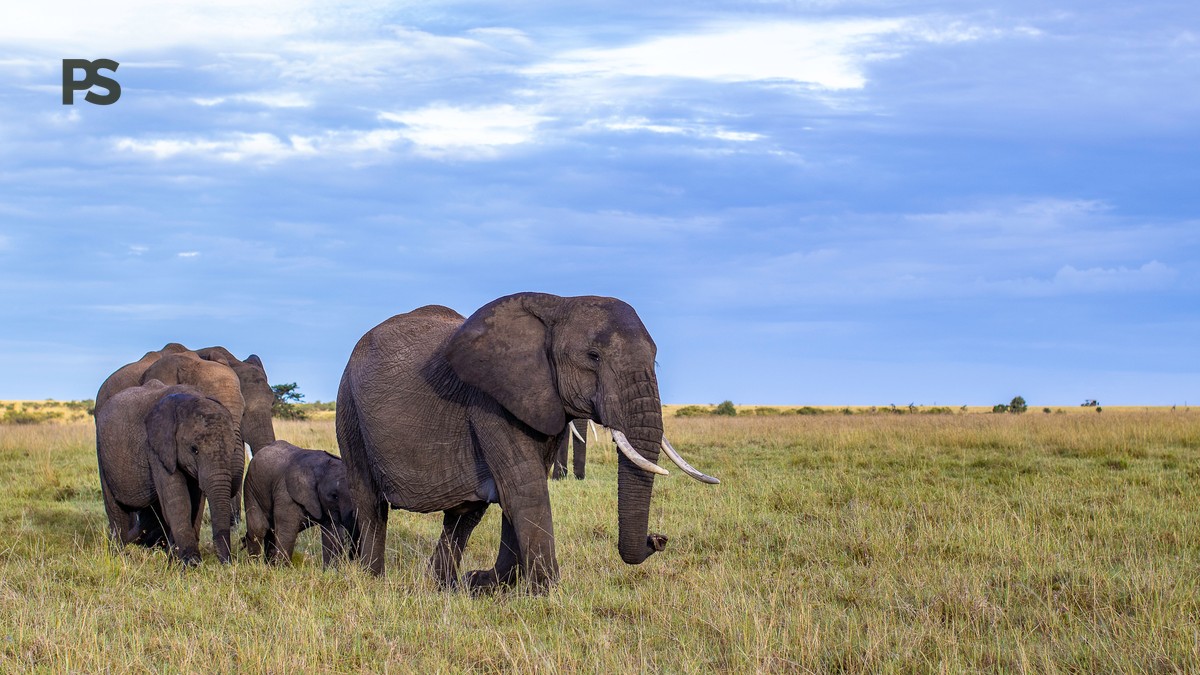
Four out of five, not five out of five. Samburu National Reserve, along with neighboring Buffalo Springs and Shaba, sits along the Ewaso Nyiro River in Samburu County. Lion prides work the riverine forest. Leopard sightings are strong around the doum palm groves. Elephant herds cross the river daily, and buffalo move through in loose bachelor groups.
Rhino is the gap. Poaching wiped out Samburu’s rhino population decades ago, and the reserve has never reintroduced them within its own boundary. Several tour operator sites gloss over this or contradict each other. The reserve does not have rhino. Full stop.
Buffalo Springs and Shaba sit across the river from Samburu National Reserve and share the same wildlife corridor. Each is a separately gated reserve with its own entry fee. Many camps let guests cross between all three on a single game drive permit, so ask your operator which gates are included before you book.
The Samburu Special Five, Explained
This is what most search results actually answer, and it’s worth knowing before you go. These five species live in the dry north and rarely appear south of the equator.
- Grevy’s zebra is larger and more narrowly striped than the plains zebra. It is endangered, with fewer than 3,000 left in the wild.
- Reticulated giraffe carries the sharp, tile-patterned coat you see on safari brochures.
- Beisa oryx is a striking desert antelope with long, straight horns.
- Gerenuk is the long-necked antelope that stands on its hind legs to browse.
- Somali ostrich has blue-grey legs instead of the pink legs of the common ostrich.
They’re a genuine reason to visit Samburu on their own. But they’re a different list from the Big Five, and conflating the two is where most guides go wrong.
Big Five vs Special Five: A Quick Comparison
| Category | Species | Found in Samburu Reserve? | Found in wider ecosystem? |
|---|---|---|---|
| Big Five | Lion, leopard, elephant, buffalo | Yes | Yes |
| Big Five | Rhino | No | Yes, at Sera Community Conservancy (black rhino) |
| Special Five | Grevy’s zebra, reticulated giraffe, beisa oryx, gerenuk, Somali ostrich | Yes | Yes |
Does Samburu Have Rhino? The Sera Conservancy Answer
Sera Community Conservancy is roughly 100 km northeast of Samburu National Reserve, past Archer’s Post, in genuinely remote country. It became the first community-owned and community-run rhino sanctuary in East Africa in 2015. That year, 10 black rhino were translocated there from Lewa Wildlife Conservancy and Lake Nakuru National Park. The population has grown steadily since.
Getting there by road from Samburu gate takes about 2.5 to 3 hours on rough track. It is best done in a 4×4 with a guide who knows the route. Flying is easier. Light aircraft can land at Saruni or Latakweny airstrip, cutting the transfer to around 30 minutes from Samburu’s own airstrips. This is worth understanding before you book. Our piece on combining Laikipia’s rhino sanctuaries with a Samburu stay covers this logistics gap in detail. Laikipia’s Ol Pejeta and Sera both solve the same rhino problem from different directions.
Sera operates as a conservancy, not a national reserve, which changes how you experience it. For more on how a community conservancy like Sera differs from the national reserve, including vehicle limits and guiding style, read this first. It will help you decide how many nights to split between the two.
Where to Stay in Samburu
Camp choice matters more here than in the Mara, because distances between camps and the river are short but access roads vary in quality.
- Elephant Bedroom Camp sits directly on the Ewaso Nyiro River inside the reserve, a five-minute walk from where elephants cross most afternoons. Indicative rate: USD 450-650 per person per night, high season.
- Saruni Samburu perches on a hillside in Kalama Conservancy, just outside the reserve boundary, with views over the whole valley. Indicative rate: USD 500-750 per person per night.
- Sasaab overlooks the river from a private conservancy plot, roughly 20 minutes by road from the main Samburu gate. Indicative rate: USD 600-900 per person per night.
- Elephant Watch Camp is the original tented camp in the reserve, simple and low-impact, built by the Save the Elephants research family. Indicative rate: USD 500-700 per person per night.
All figures above are indicative ranges for high season and change by month and operator. Treat them as a planning guide rather than a quote.
Most first-time visitors book three nights in the reserve. That gives enough time for a slow morning drive, a river-crossing afternoon, and one full day free for a walking safari or a village visit. Repeat visitors often trim that to two nights and use the extra time for Sera or Laikipia instead.
Best Time to Visit Samburu for Big Five Sightings
The dry seasons, January to March and June to October, pull wildlife toward the river. This makes lion, leopard, and elephant sightings more predictable. The Ewaso Nyiro rarely dries up completely, so animals concentrate along its banks in a way they don’t in the wider bush.
The long rains, April and May, thin out visitor numbers and drop camp rates. But tracks can turn to mud, and some conservancy roads become difficult. November’s short rains are lighter and often still workable for game drives.
Combining Samburu, Laikipia, and Sera for a Real Big Five Circuit
The strongest itinerary for a repeat visitor pairs three to four nights in Samburu National Reserve with two nights in Sera Community Conservancy. If road time is a concern, swap Sera for a Laikipia rhino sanctuary like Ol Pejeta instead. Nairobi to Samburu is about 325 km by road, roughly 5 to 6 hours, or a 55-minute flight into Kalama or Samburu airstrip.
If you’ve already covered the Mara circuit, it helps to see how Samburu compares to other Big Five regions before deciding how to split your days. Samburu and Laikipia both reward a slower pace and fewer vehicles per sighting, which is the opposite of a peak-season Mara game drive.
Culture and Community Conservancies
The Samburu people, close relatives of the Maasai, still herd cattle, goats, and camels through this landscape. Several camps arrange visits to Samburu villages known as manyattas, run directly by the community rather than as a staged stop.
Sera itself is entirely community-owned. It was formed when two group ranches, representing Samburu, Rendille, and Turkana communities, merged their land into a single conservancy. Conservancy fees go straight to those communities, funding schools, water points, and ranger salaries.
Activities Beyond Game Drives
Samburu rewards getting out of the vehicle. Walking safaris with an armed ranger are common around Elephant Watch Camp and several Kalama Conservancy properties. Camel safaris, a genuine Samburu tradition, let you cover ground slowly while a support crew carries camp gear. Night drives are permitted in the conservancies bordering the reserve, though not inside Samburu National Reserve itself. They’re often the best chance to spot leopard.
Birding is strong along the Ewaso Nyiro too. Look for the vulturine guineafowl, a Samburu specialty with cobalt-blue plumage, plus martial eagles and Somali bee-eaters working the riverbanks. Guides at most camps carry a checklist and will slow the vehicle for a good sighting even mid-drive.
The Plain Safaris Difference
We don’t send clients to Samburu expecting five ticks on a checklist inside one reserve boundary, because that’s not how this landscape works. We plan the rhino leg separately, whether that’s Sera or a Laikipia sanctuary, with real transfer times built into the schedule instead of glossed over. We’ve driven the Archer’s Post road in both dry and wet conditions. We know which camps handle young families well and which suit a couple wanting total quiet. Every itinerary we build names the actual camp, the actual drive time, and the actual conservancy fee range, not a vague estimate.
Plan Your Samburu Big Five Safari
A proper samburu big five safari takes some planning to get the rhino piece right. Maybe you want an itinerary that pairs Samburu’s rivers with Sera’s rhino. Maybe you need help deciding whether Laikipia fits your timeline better. Either way, get in touch through our contact page and we’ll work out the details together.